Patara Elephant Farm and the Wider Chiang Mai Activities Landscape
A balanced look at elephant camps, outdoor interests, local craft, and memorable ways to explore Hang Dong
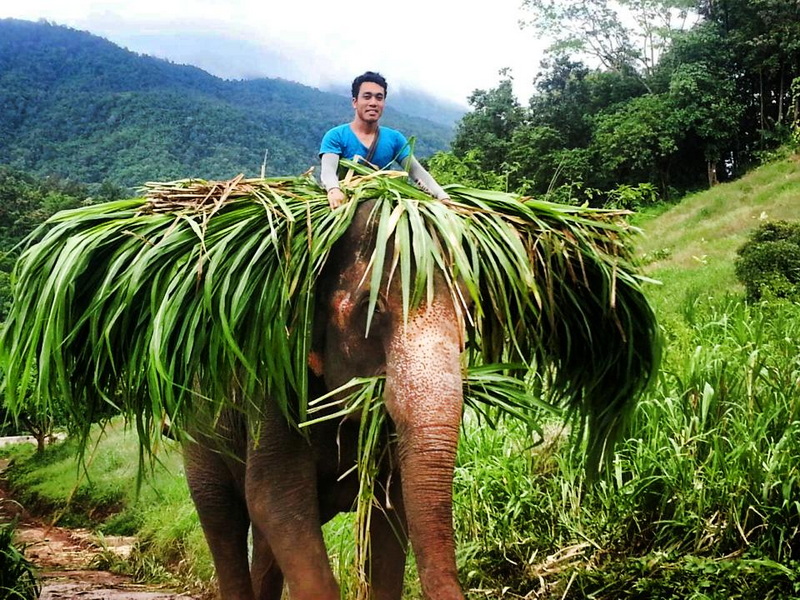
Chiang Mai is often introduced through its temples and markets, yet the region’s experiences extend well beyond the city center. In the green districts south of town, visitors can encounter elephant-focused tourism, countryside activities, creative villages, and landscapes that invite a slower pace. Understanding how these experiences fit together is more useful than treating any single attraction as the whole destination. Patara Elephant Farm provides a central point for considering that broader picture. A visit can introduce travelers to elephant care, daily routines, and the responsibilities involved in spending time around these large, intelligent animals. The emphasis should be on observation, respectful conduct, and learning rather than expecting a staged spectacle. Questions about welfare, handling practices, group size, and the role of visitor participation are appropriate when comparing camps. This overview places Patara Elephant Farm within the wider range of Chiang Mai Elephant Camps and Chiang Mai Activities. It also considers how a visit can be paired with outdoor recreation or local craft without turning the day into a rushed checklist. For first-time visitors, the aim is to provide context: what kinds of experiences exist, what distinguishes their atmosphere, and how nearby attractions can add cultural and landscape variety.
Understanding Chiang Mai Elephant Camps
Elephant camps around Chiang Mai are not all alike. Some present themselves as educational or care-oriented settings, while others combine elephant encounters with countryside walks, bathing activities, feeding demonstrations, or explanations of traditional mahout knowledge. The wording used by an operator matters, but it is only a starting point. Travelers should look for clear information about how elephants are housed, how their health is monitored, what kinds of human contact are expected, and whether the program allows animals to behave naturally as much as possible.
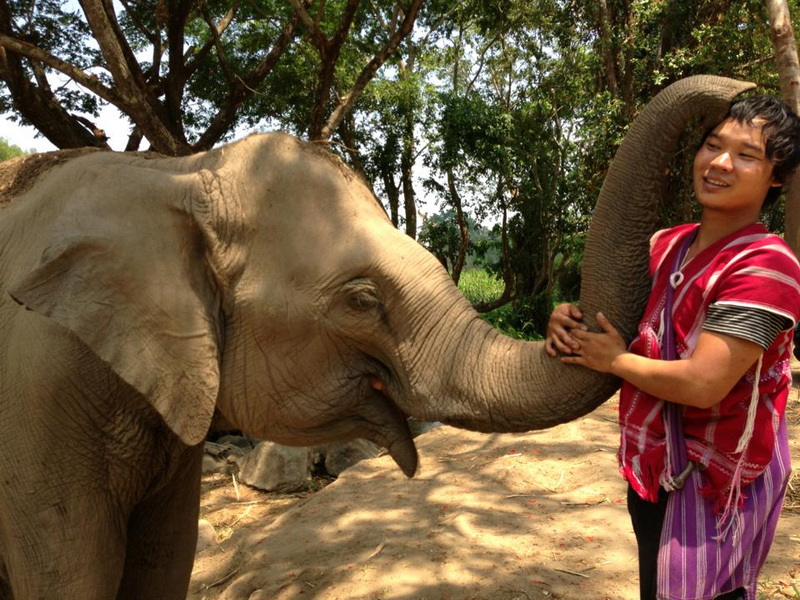
The phrase Chiang Mai Elephant Camps covers a broad tourism category rather than one uniform experience. A camp may be located in a forested valley, on farmland, or near a community, so the surroundings influence the mood as much as the elephants do. Some visits feel structured and instructional; others are more observational. Responsible visitors should avoid assuming that a simple label proves good practice and should remain attentive to the guidance provided on site.
A thoughtful elephant visit also recognizes that these animals are working within a managed environment, not performing wildlife encounters in the wild. Visitors can help by keeping voices calm, respecting distance, following staff instructions, and avoiding attempts to touch or photograph an elephant when the animal or handler appears uncomfortable. These small choices support a more respectful relationship between tourism, local livelihoods, and animal care.
Where Patara Elephant Farm Fits
Patara Elephant Farm in Hang Dong District, Chiang Mai, is best understood as one component of the region’s elephant tourism landscape. Its identity is associated with learning about elephant care and spending guided time with individual animals. For a visitor, the value lies less in collecting dramatic photographs and more in noticing the practical details of care: food, hydration, physical condition, communication, rest, and the boundaries that shape human-elephant contact.
The idea of Patara Elephant Training can be confusing if it is interpreted as training for entertainment. In a responsible travel context, training may refer to communication and cooperation that make routine care, movement, and health checks possible. Visitors should listen carefully to how the program explains these practices and distinguish necessary handling from behavior designed solely to produce a performance. Asking respectful questions can turn a short encounter into a more informed experience.
Patara Elephant reviews may offer useful clues about atmosphere and visitor impressions, but reviews should be read critically. Personal accounts can describe guide communication, organization, the setting, or how comfortable travelers felt with the animal interactions. They cannot independently verify long-term welfare standards. Comparing several recent perspectives with the farm’s own explanations is more sensible than relying on a single enthusiastic or negative account.
This makes Patara Elephant Farm a useful anchor for a wider day of discovery, not necessarily the entire definition of Chiang Mai. Travelers interested in animals can focus on care and observation, while others may value the surrounding rural scenery or combine the visit with a separate cultural or outdoor stop. The best choice depends on personal interests, physical comfort, and the type of interaction a visitor considers appropriate.
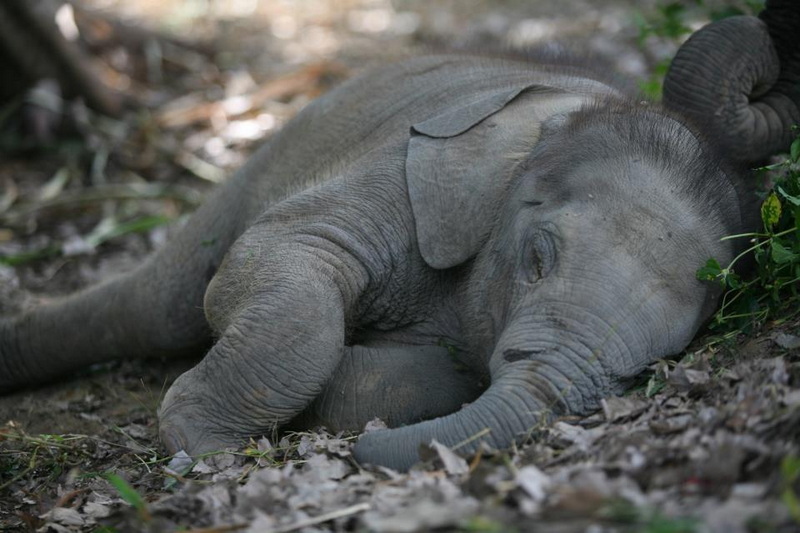
Building a Broader Day Around Chiang Mai
Chiang Mai Activities include far more than elephant encounters. The city and its surrounding districts offer temple visits, food experiences, cycling, walking routes, craft workshops, scenic drives, and opportunities to explore agricultural landscapes. Outdoor-minded travelers may look toward hiking, nature areas, or horse riding, while culture-focused visitors may prefer workshops and villages where local skills remain visible in everyday life.
The most satisfying combinations usually balance rather than overload the day. An elephant-focused visit can be reflective and information-rich, so pairing it with a quieter craft setting may create a better rhythm than adding several high-energy stops. Alternatively, travelers who enjoy movement might choose an outdoor activity afterward, provided the timing, distance, and physical demands suit everyone in the group. Families and multigenerational parties should consider shade, walking surfaces, heat, and opportunities to pause.
Adventure does not have to mean extreme activity. A countryside ride, a forest walk, or a bicycle route can provide a sense of exploration without competing with the elephant experience. Likewise, cultural tourism is not limited to sightseeing from a vehicle. Taking time to understand how objects are made, why a community is known for a particular craft, or how rural landscapes support local life can add depth to a visit.
When planning a combination, travelers should check current information directly with each attraction because programs, access arrangements, and visitor policies can change. It is also wise to leave room for unexpected slowness. Heat, traffic, animal welfare considerations, and conversations with local guides may make a flexible plan more enjoyable than a tightly packed itinerary.
Questions That Encourage Responsible Choices
A responsible visitor does not need to arrive as an expert, but a few questions can clarify what an elephant program offers. How are elephants introduced to visitors? What happens when an elephant does not want to participate? Are rest periods and feeding needs treated as priorities? Is the program transparent about physical contact, riding, performances, and the use of commands? Clear answers can help travelers choose an experience that aligns with their values.
It is equally important to consider the human context. Elephant care involves people with knowledge developed through work, family history, and local communities, yet visitors should avoid romanticizing or simplifying those relationships. Guides and handlers deserve respectful questions rather than judgmental assumptions. Listening to explanations about care, employment, and changing tourism expectations can reveal why the region’s elephant industry is complex.
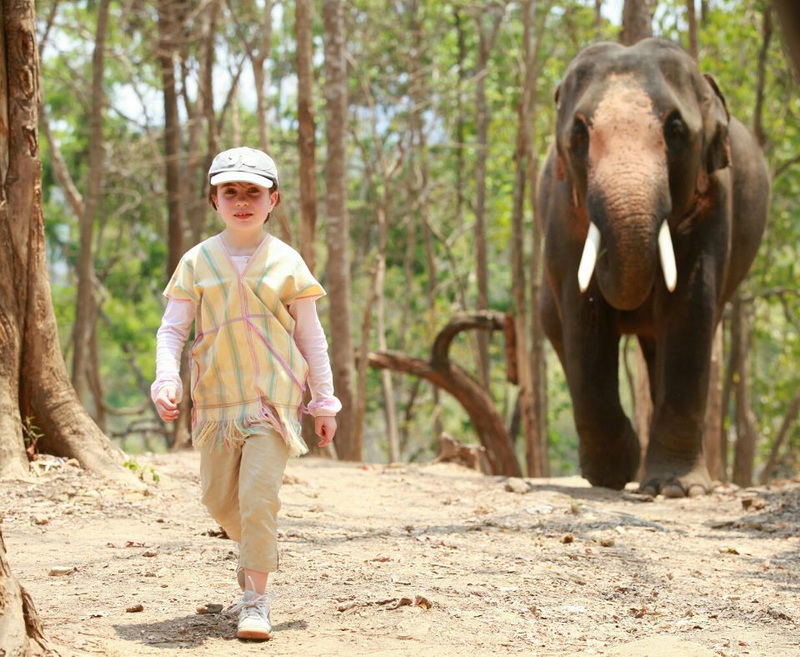
Photography deserves attention too. A photograph should not take priority over an animal’s comfort or a guide’s instruction. Avoid blocking paths, using flash when discouraged, crowding an elephant, or encouraging unusual behavior for a picture. These choices may seem minor, but they shape the atmosphere of the encounter and influence what kinds of tourism practices become financially attractive.
This lens also helps travelers interpret the phrase Patara Elephant Conversation. Meaningful learning may happen through ordinary exchanges about diet, health, training, history, and visitor responsibility rather than through a formal presentation alone. Curiosity is welcome when it is paired with humility and an understanding that no single visit can explain every aspect of elephant care.
Choosing the Right Mix for Your Interests
For a first-time international visitor, the simplest approach is to identify the experience that matters most and then add one complementary activity. Someone drawn to animals might place Patara Elephant Farm at the center, leaving time to absorb the setting and ask questions. A traveler more interested in regional culture could treat the elephant visit as one part of a day that also includes a village known for traditional making. An active traveler may prefer to combine animal care education with a gentle ride or walk.
The distinction between a meaningful visit and a rushed one often comes down to attention. Notice how guides communicate, how visitors behave, how the landscape changes outside the city, and how local businesses contribute to the area. These details connect an attraction to its setting and prevent the journey from feeling like a series of disconnected photo stops.
There is no universally correct combination of Chiang Mai Activities. A couple may prefer quiet observation and craft, while a family may need shorter transitions and varied interests. Older travelers may prioritize comfort and shade, and younger visitors may enjoy hands-on cultural learning or a carefully chosen outdoor activity. The regional landscape allows different travel styles, provided expectations remain realistic and respectful.
Seen this way, Patara Elephant Farm is neither an isolated attraction nor a shortcut to understanding Chiang Mai. It is an entry point into questions about animal care, tourism, local work, and the many ways visitors engage with Hang Dong. The surrounding experiences become more rewarding when they are selected for connection and quality of attention rather than quantity.
Nearby Attractions
Chiang Mai Horse Riding Adventure
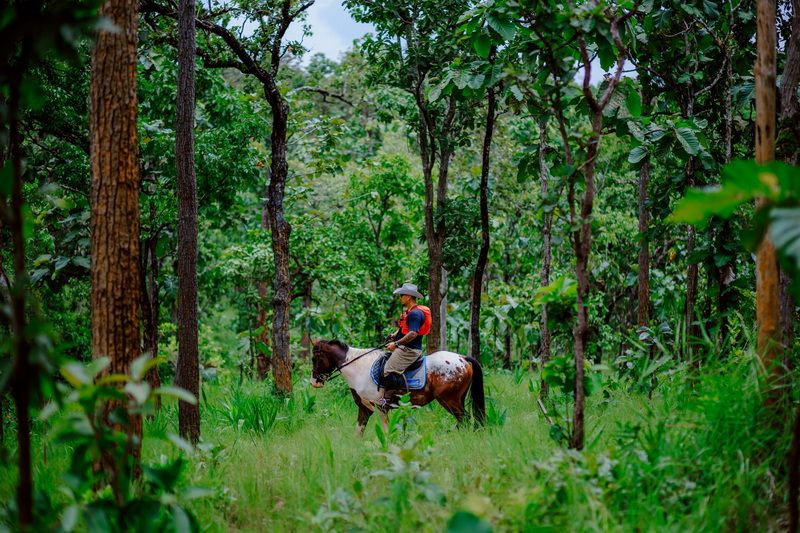
Chiang Mai Horse Riding Adventure offers a contrasting way to experience the countryside. Where an elephant visit encourages close attention to care and communication, a riding activity places the visitor in motion through a rural or natural setting. Suitability depends on riding experience, confidence, weather, and the standards used for horse care, so travelers should ask about animal welfare, supervision, terrain, and rider requirements before participating.
The attraction can complement an elephant-focused day for travelers who enjoy animals and outdoor exploration, but it should not be treated as an automatic add-on. Horses also require considerate handling, rest, appropriate equipment, and patient instruction. Observing these standards helps visitors make a more informed choice and keeps the focus on a respectful activity rather than speed or novelty.
Baan Tawai Wood Carving Village
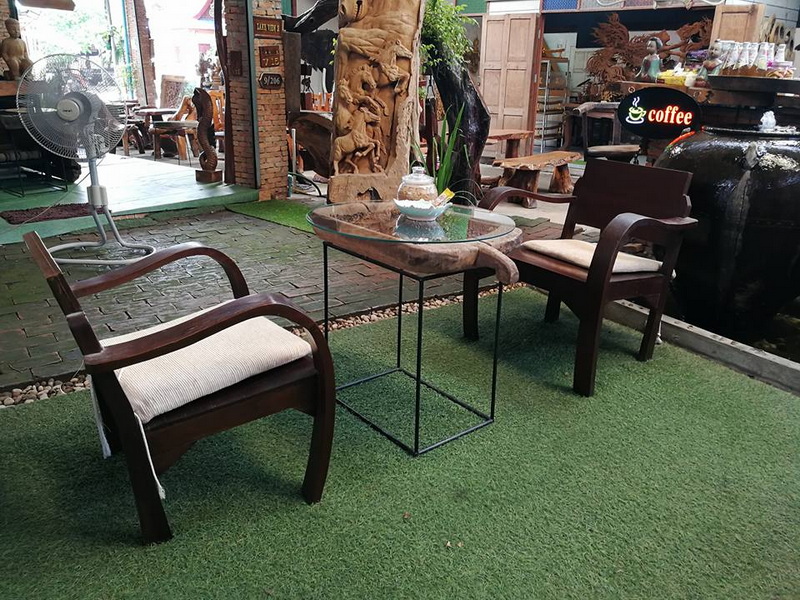
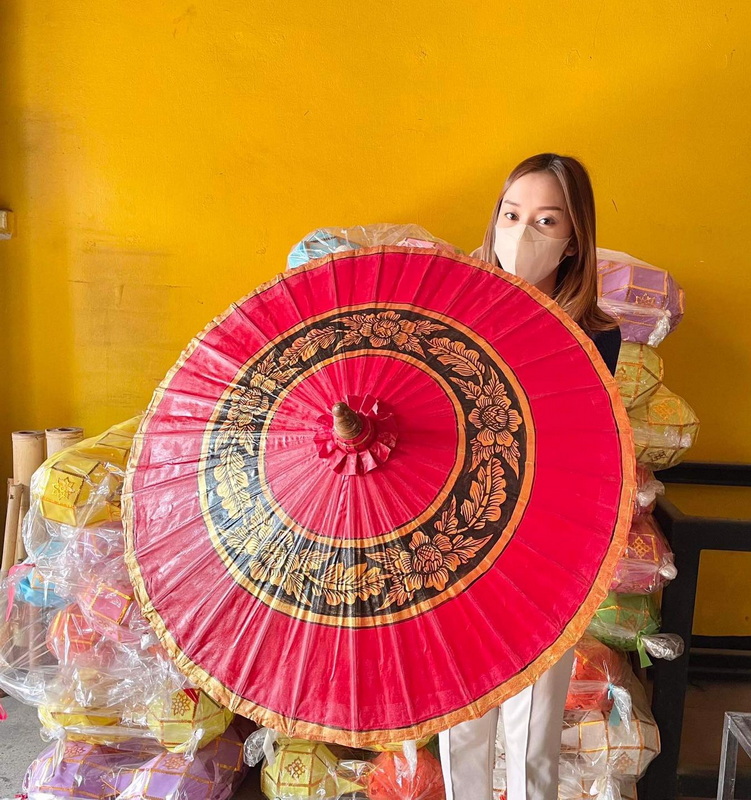
Baan Tawai Wood Carving Village brings the cultural side of Hang Dong into view through woodwork, household objects, decorative pieces, and other forms of craftsmanship. The village is associated with artisan production and gives visitors an opportunity to think about how design traditions meet contemporary tourism. Browsing is more rewarding when travelers pay attention to materials, workmanship, and the difference between handmade pieces and mass-produced souvenirs.
A visit here can provide a calmer counterpoint to an elephant encounter or outdoor activity. Instead of focusing on animals or landscapes, travelers can consider the skill, time, and creative decisions behind local objects. Purchasing should be thoughtful, with attention to quality, personal usefulness, and responsible trade. Even without buying anything, respectful observation and appreciation of the makers’ work contribute to a richer understanding of Chiang Mai’s cultural economy.
A Last Look at the Journey
Patara Elephant Farm offers a way to begin thinking about Chiang Mai through care, communication, and the responsibilities of animal-focused tourism. Around it, the region adds movement, craft, countryside scenery, and opportunities to meet local culture without forcing every interest into one itinerary. Compare elephant programs carefully, choose activities that match your pace, and allow time for respectful observation. With that approach, a visit to Hang Dong becomes more than a single attraction: it becomes a connected view of how animals, communities, landscapes, and travelers share the same destination.