A Day with the Lahu Hilltribe in Northern Thailand
Follow household work, seasonal responsibilities, food, learning, and evening decisions in a Lahu village
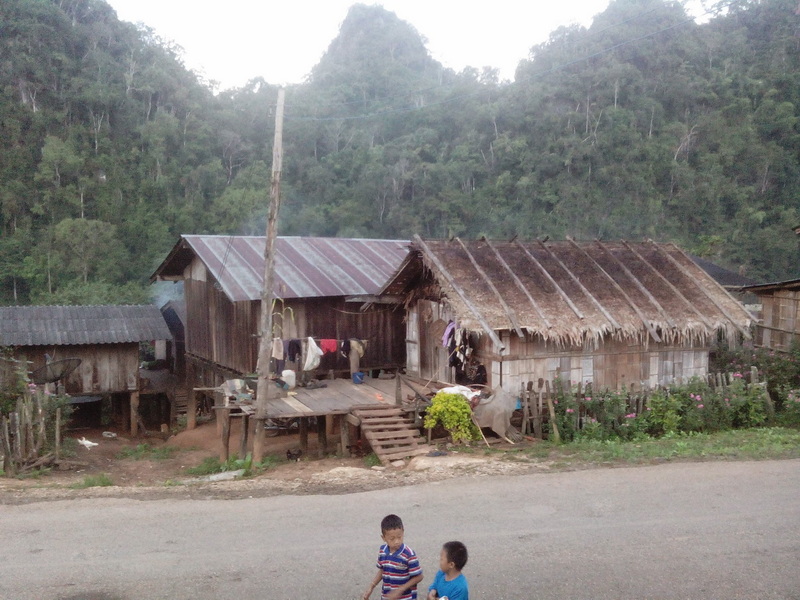
Before visitors begin looking for a viewpoint or a photograph, a village day has usually already started. A fire may be lit for breakfast, water may be carried, animals may need attention, and younger family members may be preparing for school or helping with household tasks. In a Lahu community, the shape of the morning depends on the season, the work available, the age of each person, and the needs of the household. There is no single timetable that represents every Lahu Hilltribe village. Families in Northern Thailand may organize their days differently, and routines can change as education, wage work, farming patterns, and migration influence household life. For travelers interested in Hill Tribe Villages Northern Thailand, following this ordinary sequence offers a more grounded way to understand community life. The focus is not on a formal display, but on how people divide work, prepare food, care for relatives, make decisions, and adjust old practices to present circumstances.
The First Tasks Begin Before the Day Feels Busy
A Lahu village morning often unfolds through small, practical actions rather than one dramatic event. Someone may sweep a yard, prepare rice, check cooking fuel, feed animals, or arrange tools for work outside the home. These tasks can be shared across generations, although the division of labor is not fixed. Children may have responsibilities suited to their age, while older relatives may contribute through cooking, supervision, craft knowledge, or advice.
The home is an important starting point for understanding the day. Food preparation, conversation, and household planning frequently happen alongside one another. A person who appears to be preparing breakfast may also be organizing work, remembering a family obligation, or deciding what must be done before midday. This overlapping of tasks makes village life difficult to reduce to a simple list of customs. Daily activity is practical, social, and shaped by immediate needs.
For an observer, the quietest details can be the most informative: who rises first, which duties are repeated, and how relatives coordinate without making every responsibility formal. These patterns vary between households, so a visitor should avoid treating one family’s morning as a universal Lahu routine.
Work Changes When the Season Changes
By later morning, attention may turn toward farming, gathering, repairs, trading, domestic work, or other forms of employment. The exact activity depends on land, weather, household resources, and local economic choices. Agricultural work can be physically demanding and may require cooperation among relatives or neighbors. Other residents may spend the day away from the village for school, paid employment, or errands, then return later.
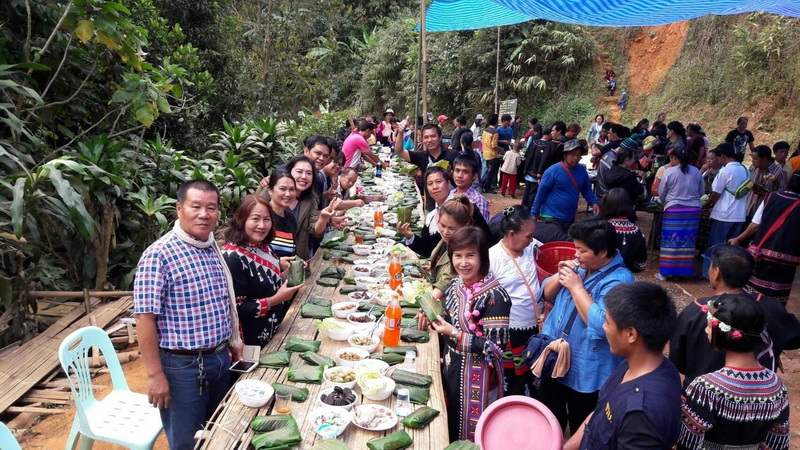
Seasonal change gives the day a different character. Wet weather can alter field work and paths, while a dry period may bring different demands for crops, water, or household maintenance. Planting and harvesting can increase the need for coordinated labor. At other times, school commitments or wage work may be more important than agricultural tasks. These shifts show that continuity does not mean every old activity remains unchanged.
The term Muser Hill Tribe, and related forms such as Muser or Musur, may appear in travel writing or wider public usage for some Lahu communities. Terminology can vary by context and personal preference. It is best treated as a name that requires local awareness, not as a complete description of every community. The central point remains the same: families organize their work according to their own circumstances, and those circumstances are changing.
A Meal Shows How Knowledge Moves Through a Household
Food preparation often brings several kinds of knowledge together. Ingredients may be cleaned, cut, cooked, preserved, or combined according to familiar household methods. A meal can reflect what is available locally, what has been grown or purchased, and what family members prefer. The work is not only culinary. It also teaches timing, cooperation, thrift, and the practical use of ingredients.
Older relatives may explain a method to younger people, while younger family members may introduce different preferences or ways of working. This exchange is one reason food traditions should not be treated as frozen recipes. Household cooking can retain recognizable techniques while adapting to changing ingredients, school schedules, employment, and access to markets.
Visitors should remember that a kitchen is usually a working space rather than a demonstration area. If food is being prepared, standing back and allowing the household to continue is often more appropriate than requesting a lesson. If conversation develops naturally, a simple question about an ingredient or process may be welcome, but the answer should not be assumed.
Afternoons Reveal the Choices Facing Younger Generations
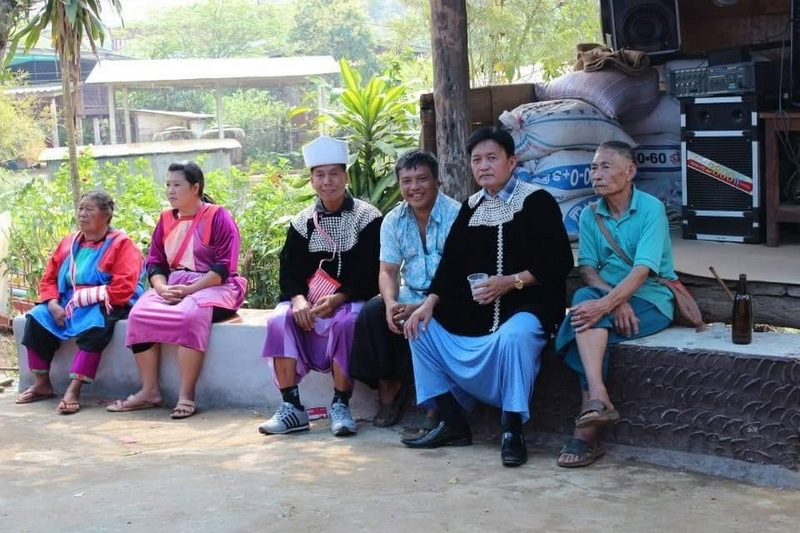
The afternoon may separate village residents into several directions. Some children and teenagers focus on education, while adults continue with farm work, household duties, or paid employment. Young people may spend part of their lives outside the village and return for family events, seasonal work, or holidays. Migration can affect who is available to care for older relatives, maintain a home, or continue particular skills.
These changes do not automatically mean that cultural knowledge disappears. It may be shared through family conversations, ceremonies, language, food, clothing, music, or work learned during time at home. At the same time, not every younger person will choose the same responsibilities as their parents. Education and employment can broaden opportunities, and families may actively negotiate how much time is given to customary activities.
A careful account of Lahu village life therefore includes both inheritance and adaptation. The presence of modern schooling, mobile communication, or outside employment does not erase community identity. It demonstrates that households are making decisions within present-day conditions rather than living outside change.
Evening Brings Shared Time and Practical Decisions
As work slows, relatives may gather for food, conversation, repairs, or routine household care. Evening is often a time when the day’s events can be discussed and the next day considered. Decisions may concern work, family obligations, celebrations, schooling, or the use of shared resources. The way such decisions are made differs among families and communities, but cooperation remains visible in many ordinary exchanges.
Community matters may also require discussion beyond one household. People can have different responsibilities, experiences, and views, so agreement may take time. A visitor is unlikely to understand these processes from a brief observation, and should not assume that one conversation represents village leadership or social organization as a whole.
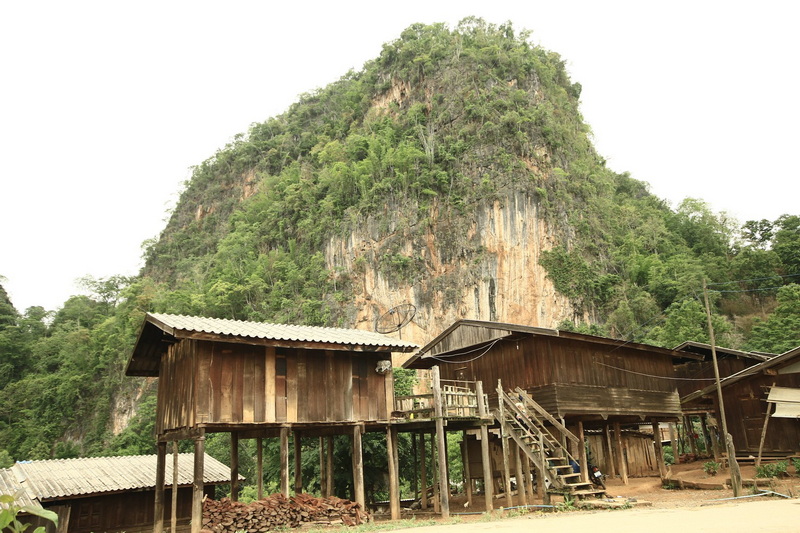
This part of the day helps explain why village life is more than a collection of visible objects or distinctive clothing. Relationships are maintained through repeated acts: sharing information, assisting relatives, remembering obligations, and deciding how to respond to new circumstances. These actions may look unremarkable, yet they provide much of the structure of community life.
How to Fit a Visit Around Village Work
Visitors can make a cultural visit less disruptive by paying attention to the rhythm already underway. A person working in a kitchen, carrying supplies, caring for a child, or preparing to leave for the day may not be available for conversation. Waiting, following a local guide’s advice, or accepting a brief exchange is more considerate than interrupting an important task.
Homes and household spaces deserve particular care. Do not enter simply because a doorway is open, and ask before photographing people, possessions, food preparation, or private activities. Children should not be treated as attractions or approached for pictures without an appropriate adult’s agreement. If an activity appears private, the suitable response is to give it space rather than ask for access.
Travelers comparing Hill Tribe Villages Northern Thailand may encounter Lahu communities through a Chiang Mai Tour Package or another form of planning. The label of a tour does not determine what a household wishes to share. A good visit leaves room for residents to continue their day, and the most useful questions are specific, calm, and responsive to the situation in front of you.
A Last Look at the Journey
A day in a Lahu village can be understood through its sequence of responsibilities: early household work, seasonal labor, food preparation, education, employment, family care, and evening decisions. The order and details differ between villages and households, but the pattern reveals a community adjusting to present needs while carrying knowledge forward. For visitors, attention to these ordinary hours is more useful than searching for a single image of Lahu life. It encourages observation without assumption and makes space for differences between families. The Lahu Hilltribe story is found not only in ceremonies or visible traditions, but also in how people organize time, support one another, and decide what should continue or change.

No comments:
Post a Comment