Eco Trekking at Pha Daeng National Park in Northern Thailand
Discover sustainable trekking practices and natural wonders in one of Chiang Mai Thailand’s must visit national parks
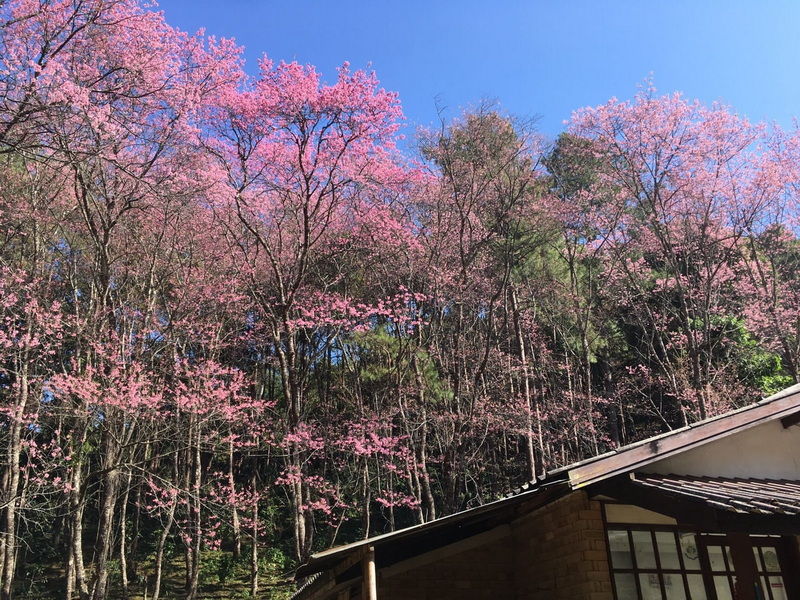
Eco trekking offers a unique way to explore the natural beauty of northern Thailand while minimizing environmental impact and supporting local conservation efforts. Pha Daeng National Park, located in Chiang Dao Chiang Mai, stands out as a prime destination for eco-conscious travelers seeking immersive trekking experiences that respect both nature and local culture. This park, part of the must visit national parks northern Thailand, provides an ideal setting to practice sustainable travel through well-preserved forests, diverse ecosystems, and culturally sensitive interactions. In this article, we explore the principles of eco trekking and how they are applied at Pha Daeng National Park. We also highlight sustainable trekking opportunities and visitor responsibilities that help protect this fragile environment. By understanding these practices, travelers can contribute positively to conservation while enjoying the stunning landscapes and rich biodiversity of Chiang Mai Thailand. This guide aims to inspire thoughtful exploration and deepen appreciation for northern Thailand’s natural heritage.
Principles of Eco Trekking for Responsible Travel
Eco trekking is a mindful approach to hiking and outdoor exploration that emphasizes minimizing human impact on natural environments. It encourages travelers to leave no trace, respect wildlife and local communities, and support conservation initiatives. In northern Thailand, where biodiversity is rich but vulnerable, adopting these principles is vital to preserving national parks like Pha Daeng. Travelers researching Eco Trekking Chiang Mai can use these details when planning the trip.
Key eco trekking practices include staying on marked trails to avoid disturbing flora and fauna, carrying out all waste, and using eco-friendly products to reduce pollution. Visitors are also encouraged to learn about the local environment and culture, fostering respect and understanding rather than exploitation. This thoughtful approach ensures the park remains pristine for future generations and supports the livelihoods of indigenous hill tribe communities.
Additionally, eco trekking promotes small group sizes and low-impact travel methods such as walking or cycling instead of motorized vehicles inside protected areas. This reduces noise, air pollution, and habitat fragmentation. By choosing eco trekking tours or self-guided hikes that follow these guidelines, travelers actively participate in conservation efforts while enjoying authentic nature experiences.
Eco Trekking Opportunities at Pha Daeng National Park
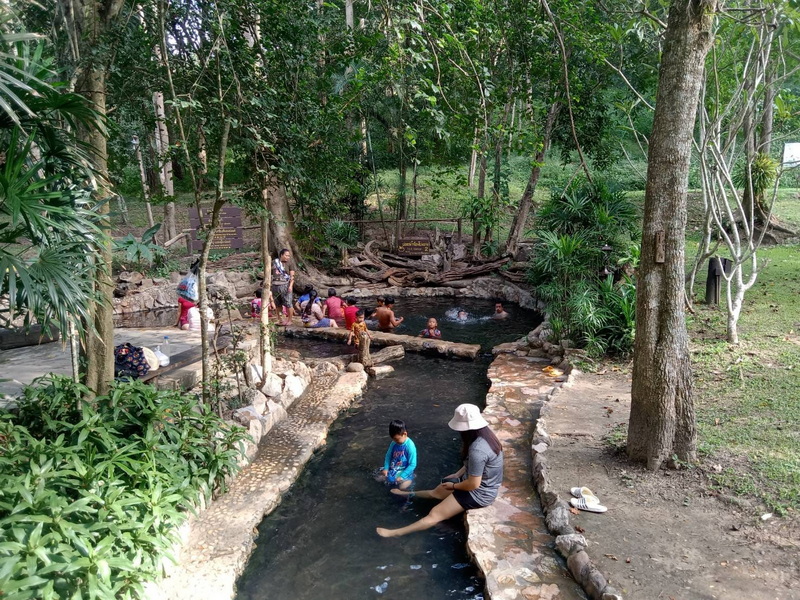
Pha Daeng National Park offers diverse trekking routes that cater to eco-conscious adventurers. Its terrain includes dense forests, limestone mountains, and river valleys that host a variety of plant and animal species. Trekking here provides a chance to witness northern Thailand’s ecological richness while practicing sustainable travel.
One popular eco trekking route follows trails that wind through evergreen forests, where visitors can observe rare orchids and listen to the calls of native bird species. The park’s well-maintained paths help prevent soil erosion and protect sensitive habitats. Guides knowledgeable in sustainable practices are often available to lead groups, enhancing visitor awareness about the park’s conservation challenges and cultural significance.
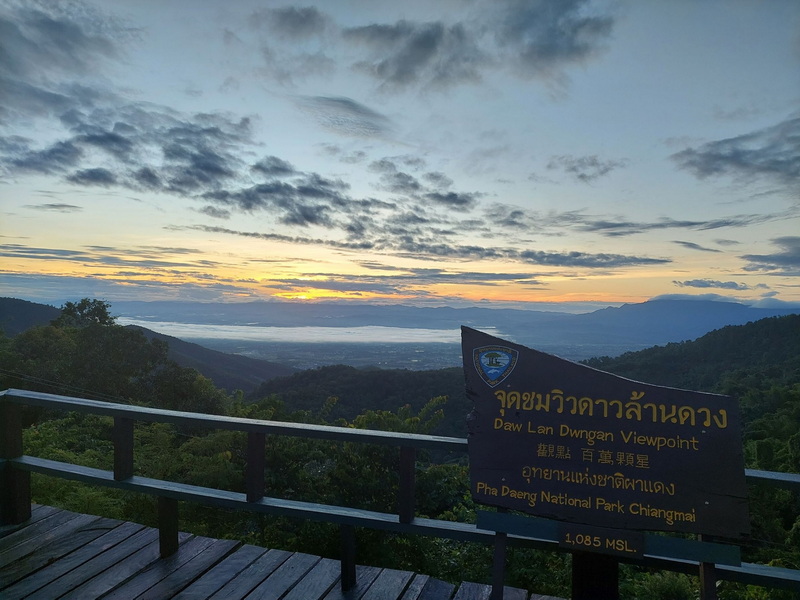
The park also features eco-friendly camping areas designed to minimize environmental footprints. Visitors are encouraged to use these facilities and follow strict guidelines regarding fire safety, waste disposal, and noise control. These efforts help maintain the park’s tranquility and reduce human disturbance to wildlife.
By choosing Pha Daeng National Park for eco trekking, travelers engage with one of Chiang Mai Thailand’s most important natural areas in a way that supports ongoing preservation and educates about responsible tourism.
Sustainable Trekking Practices at Tham Chiang Dao
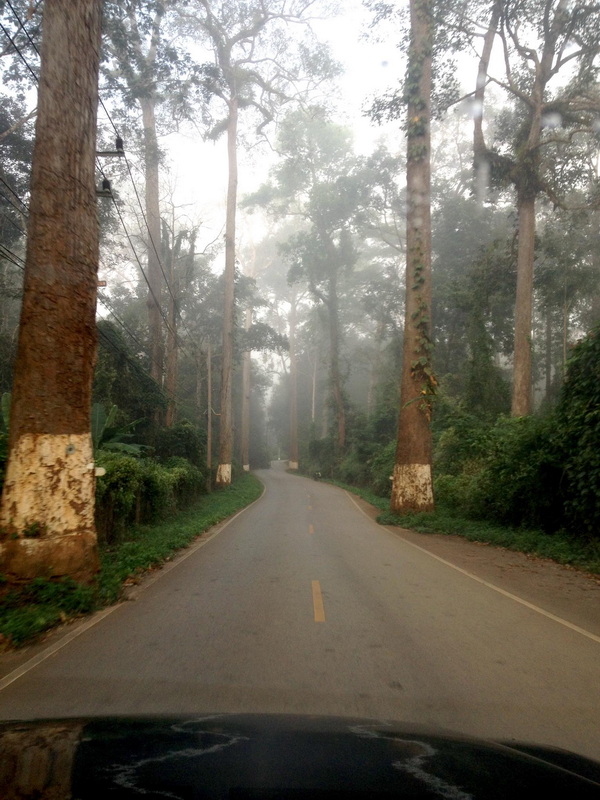
Nearby Tham Chiang Dao complements the eco trekking experience at Pha Daeng National Park with its remarkable cave systems and surrounding forest trails. This area is managed with sustainability in mind to protect its geological features and biodiversity.
Visitors are advised to use established paths and avoid touching delicate rock formations inside the caves to prevent damage. Lighting and visitor access are carefully controlled to preserve the fragile cave ecosystem. Outside the caves, the forest trails offer opportunities to observe endemic plant species and hill tribe villages respectfully.
Local guides play a crucial role in promoting sustainable trekking at Tham Chiang Dao by educating visitors on environmental stewardship and cultural sensitivity. Their involvement ensures that tourism benefits local communities while minimizing negative impacts.
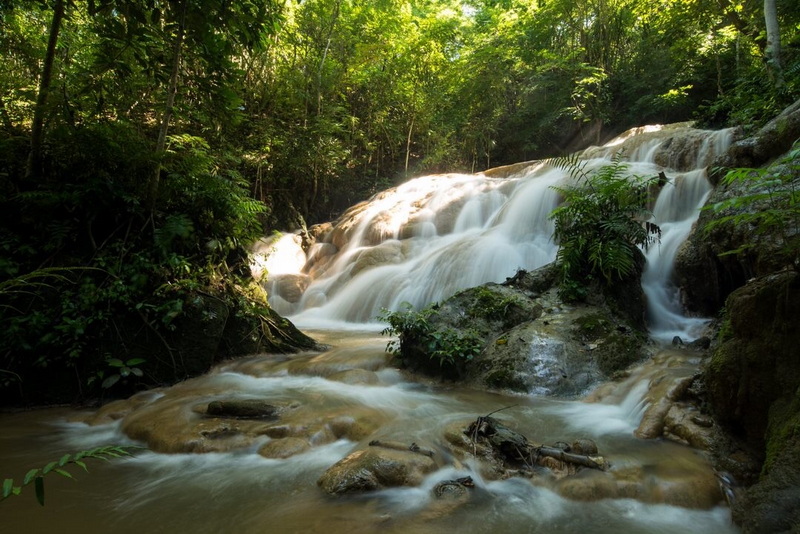
Together with Pha Daeng National Park, Tham Chiang Dao represents a model of how natural and cultural heritage can be preserved through responsible trekking practices in northern Thailand.
Environmental Considerations and Best Practices for Visitors
When trekking in protected areas like Pha Daeng National Park and Tham Chiang Dao, visitors must be aware of their environmental responsibilities. This includes understanding the fragility of ecosystems and the importance of maintaining biodiversity.
Avoiding littering and properly disposing of waste is fundamental. Plastic pollution is a significant threat to wildlife and water quality. Carrying reusable water bottles and bags reduces single-use plastics. Visitors should also avoid feeding wildlife, which can disrupt natural behaviors and diets.
Respecting local flora is equally important. Picking flowers or plants can diminish natural regeneration and harm plant populations. Staying on designated trails prevents habitat destruction and soil erosion. Noise pollution should be minimized to avoid disturbing animals and other visitors seeking tranquility.
Visitors should also be mindful of cultural sensitivity, especially regarding hill tribe communities living near these parks. Engaging respectfully, without exoticizing or intruding on their way of life, supports ethical tourism and community well-being.
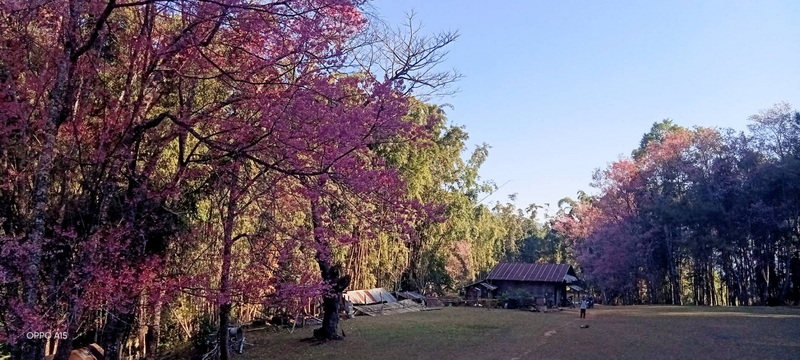
By adhering to these best practices, trekkers contribute to the long-term health of northern Thailand’s ecosystems and its people.
The Future of Eco Trekking in Northern Thailand’s National Parks
Northern Thailand’s national parks, including Pha Daeng National Park, are increasingly recognized for their potential to offer sustainable tourism that balances nature conservation with visitor enjoyment. Eco trekking is a growing movement that aligns with this vision by promoting low-impact travel and environmental education.
As more travelers seek authentic and responsible experiences, parks in Chiang Mai Thailand are enhancing facilities and training guides to support eco trekking principles. This development helps safeguard natural and cultural resources while providing meaningful opportunities for nature connection.
Visitors who embrace eco trekking contribute to a positive cycle: their respectful behavior helps preserve the parks, which in turn maintain their appeal and ecological integrity. This sustainable approach is essential for the future of northern Thailand’s treasured natural landscapes.
Ultimately, eco trekking at Pha Daeng National Park and surrounding areas exemplifies how tourism can be a force for conservation and community empowerment when practiced thoughtfully.
Nearby Attractions
Pha Daeng National Park
Pha Daeng National Park is a vast protected area in Chiang Dao Chiang Mai known for its lush forests, mountainous terrain, and rich biodiversity. The park’s name translates to “Red Forest,” reflecting the distinctive coloration of some of its tree species during certain seasons.
This national park is a sanctuary for numerous plant and animal species, many of which are endemic to northern Thailand. It offers several trekking routes that vary in difficulty, allowing visitors to explore waterfalls, viewpoints, and diverse ecosystems while practicing eco trekking principles.
The park’s management emphasizes sustainability, with efforts to maintain trails, regulate visitor numbers, and educate tourists on conservation. These measures help protect the park’s natural resources and promote responsible tourism.
Visitors to Pha Daeng can also learn about the local hill tribe communities who have lived in harmony with the environment for generations. Respectful interaction and cultural sensitivity are encouraged to support their dignity and heritage.
Tham Chiang Dao
Tham Chiang Dao is a famous cave complex located near Pha Daeng National Park, renowned for its impressive limestone formations and spiritual significance. The caves extend deep into the mountains, offering adventurous exploration opportunities for eco trekkers.
The surrounding area features forest trails and hill tribe villages, creating a rich cultural and natural landscape. Sustainable tourism practices are enforced to preserve the delicate cave environment and maintain the integrity of the local ecosystems.
Visitors are encouraged to explore the caves with knowledgeable guides who emphasize environmental protection and cultural respect. The combination of geological wonders and traditional lifestyles makes Tham Chiang Dao a valuable complement to eco trekking itineraries in northern Thailand.
Together with Pha Daeng National Park, Tham Chiang Dao represents a key destination for travelers seeking meaningful, low-impact experiences that celebrate nature and culture responsibly.
Bringing the Experience Together
Pha Daeng National Park and its neighboring attraction, Tham Chiang Dao, offer exceptional opportunities for eco trekking in Chiang Mai Thailand. By adopting sustainable trekking practices, visitors not only experience the breathtaking natural beauty of northern Thailand but also contribute to the preservation of these must visit national parks northern Thailand. Respect for the environment and local communities is essential to ensuring these landscapes remain vibrant and accessible for future generations. Eco trekking here is more than a journey through nature; it is a commitment to responsible travel that nurtures conservation and cultural appreciation.
