Authentic Hill Tribe Village Thailand Experiences at Doi Pui Hmong Village
Discover genuine cultural connections through day tours and combined itineraries in Northern Thailand’s hill tribe communities
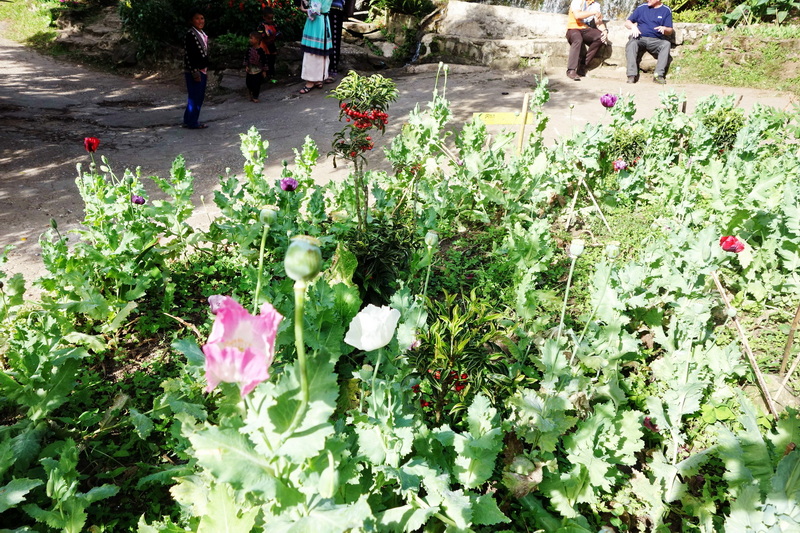
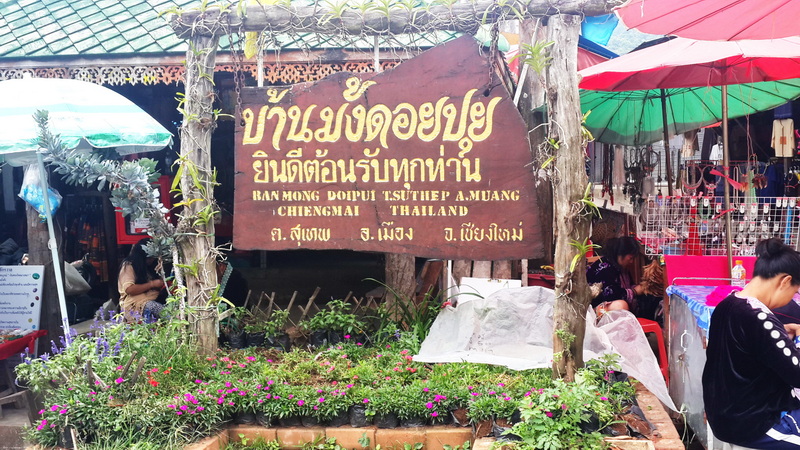
Nestled in the lush mountains of Muang Chiang Mai, the Doi Pui Hmong Village offers travelers an authentic glimpse into the lives and traditions of the Hmong hill tribe. This village stands as a living cultural heritage site where visitors can engage respectfully with indigenous customs, crafts, and lifestyles that have endured for generations. Far from a staged tourist attraction, Doi Pui Hmong Village invites cultural curiosity and appreciation through immersive experiences that honor the dignity and consent of its community members. For those planning their visit, there are practical options to explore this authentic hill tribe village Thailand destination. The popular Doi Suthep day tour provides a convenient way to combine a temple visit with cultural immersion, while the Doi Suthep and Doi Pui tour offers a fuller experience integrating natural beauty, spiritual heritage, and indigenous culture. Both options allow travelers to appreciate the region’s rich diversity without compromising respect or authenticity. This article guides culture-focused travelers through what to expect at Doi Pui Hmong Village, details on tour choices, and nearby attractions that enrich the itinerary. It also emphasizes ethical visitor preparation and insight into the hill tribe’s cultural background, ensuring a meaningful and responsible travel experience.
Cultural Background of Doi Pui Hmong Village
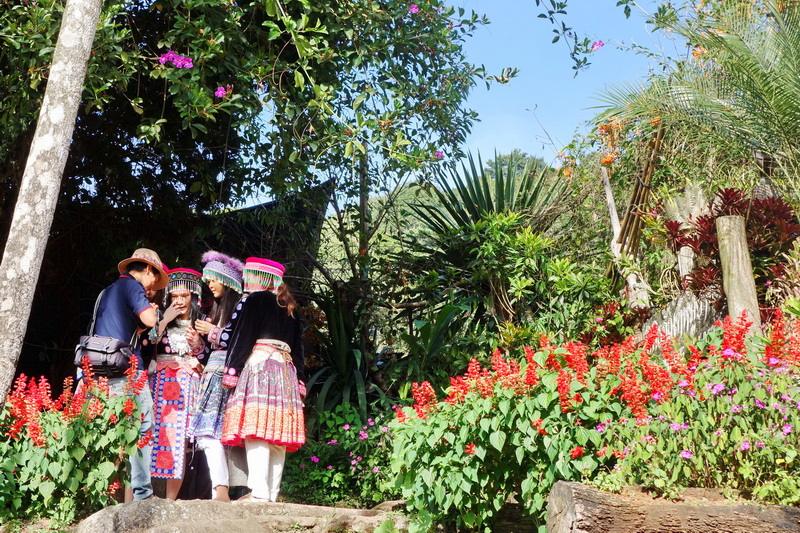
The Hmong people of Doi Pui have a deep history rooted in the mountains of Northern Thailand. Their traditions, language, and artisanal crafts reflect a resilient culture shaped by centuries of adaptation to the region’s terrain and climate. Visitors to the village witness traditional clothing, intricate embroidery, and agricultural practices that are still practiced today, providing a living connection to the past.
Doi Pui Hmong Village is not merely a tourist site but a community where daily life unfolds authentically. The residents maintain their cultural identity through ceremonies, traditional music, and communal activities, which visitors can observe or participate in with permission. This respectful engagement fosters a genuine understanding of the Hmong worldview and their relationship with nature.
Understanding the cultural sensitivity of visiting hill tribe villages is essential. Travelers are encouraged to approach with humility, avoid intrusive photography, and support local artisans by purchasing handicrafts directly from the makers. This approach helps sustain the community economically while preserving the dignity and traditions of the Hmong people.
Experiencing the Doi Suthep Day Tour
The Doi Suthep day tour is a popular choice for visitors wanting to combine cultural exploration with spiritual discovery. This tour typically includes a visit to Wat Phra That Doi Suthep, one of Chiang Mai’s most revered temples, perched high on a mountain overlooking the city. The temple’s serene atmosphere and intricate architecture offer insight into Northern Thailand’s Buddhist heritage.
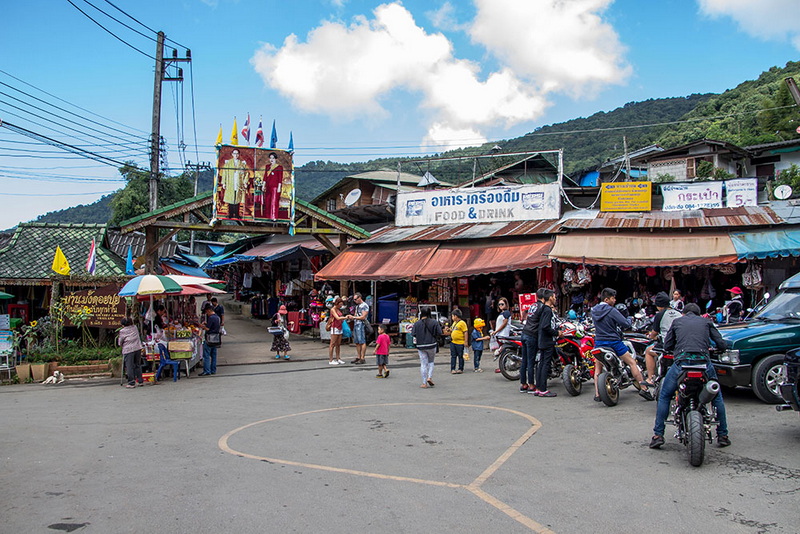
After the temple visit, the tour often proceeds to Doi Pui Hmong Village, allowing travelers to contrast the spiritual ambiance of the temple with the vibrant cultural life of the hill tribe. This half-day itinerary is ideal for those with limited time yet seeking an authentic hill tribe village Thailand experience.
The tour balances cultural education with practical trekking and walking opportunities, as the village is located in a hilly area requiring a moderate physical effort. Guides usually provide context on both the temple’s religious significance and the Hmong community’s way of life, enriching the visitor’s understanding.
The Doi Suthep and Doi Pui Tour Experience
For travelers seeking a more comprehensive journey, the combined Doi Suthep and Doi Pui tour offers an extended itinerary that deepens cultural and natural engagement. This tour allows time to explore the temple complex in greater detail, including its sacred relics and panoramic views, before heading to the Hmong village for a more immersive encounter.
Visitors can participate in traditional craft demonstrations, learn about local agriculture, and sample Hmong cuisine prepared with fresh mountain ingredients. The combined tour often includes opportunities to hike through surrounding forest trails, providing a connection to the landscape that sustains the village’s way of life.
Such tours emphasize ethical tourism practices, encouraging small group sizes and respectful interaction to minimize impact on the community. They also highlight the importance of cultural preservation alongside visitor education, fostering mutual respect between hosts and guests.
Preparing Respectfully for Your Visit to Hill Tribe Communities
Visiting Doi Pui Hmong Village requires thoughtful preparation to ensure a respectful and meaningful experience. Travelers should dress modestly, wear comfortable shoes suitable for uneven terrain, and carry water and sun protection for outdoor activities. Being mindful of local customs, such as asking permission before taking photographs, is crucial.
It is recommended to engage with certified guides who understand the cultural nuances and can facilitate interactions in a way that honors the community’s values. Visitors should avoid imposing on private ceremonies or spaces and refrain from purchasing goods that are mass-produced or exploitative.
Understanding the village as a living community rather than a tourist attraction helps frame the visit with empathy and curiosity. This mindset enriches the experience and supports sustainable tourism that benefits both visitors and the Hmong people.
Nearby Attractions
Wat Phra That Doi Suthep
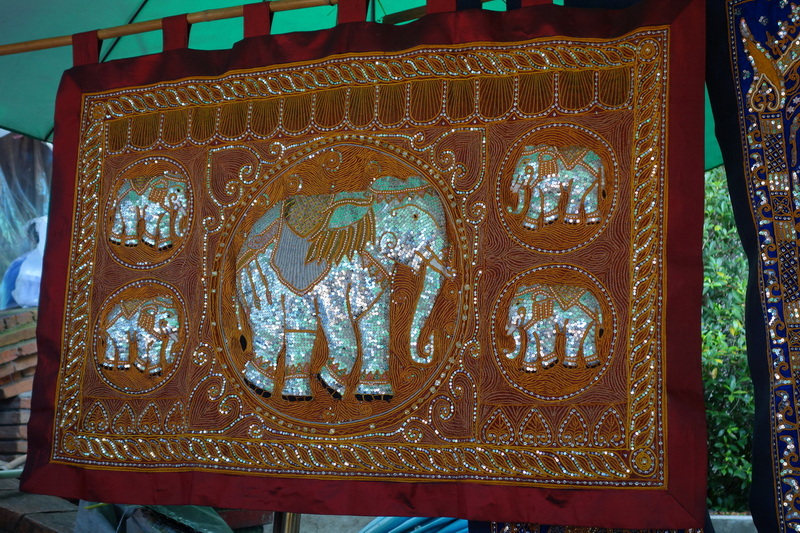
Wat Phra That Doi Suthep stands as a spiritual beacon in the Chiang Mai region. This temple, founded in the 14th century, is famed for its golden chedi and stunning views over the city below. Pilgrims and tourists alike ascend the winding stairway guarded by mythical serpents, immersing themselves in a sacred atmosphere that blends natural beauty with religious devotion.
The temple complex offers educational displays explaining Buddhist philosophy and local legends, enhancing visitors’ appreciation of Northern Thailand’s spiritual heritage. Its proximity to Doi Pui Hmong Village makes it a natural complement for cultural and religious exploration within the same day.
Wat Pha Lad
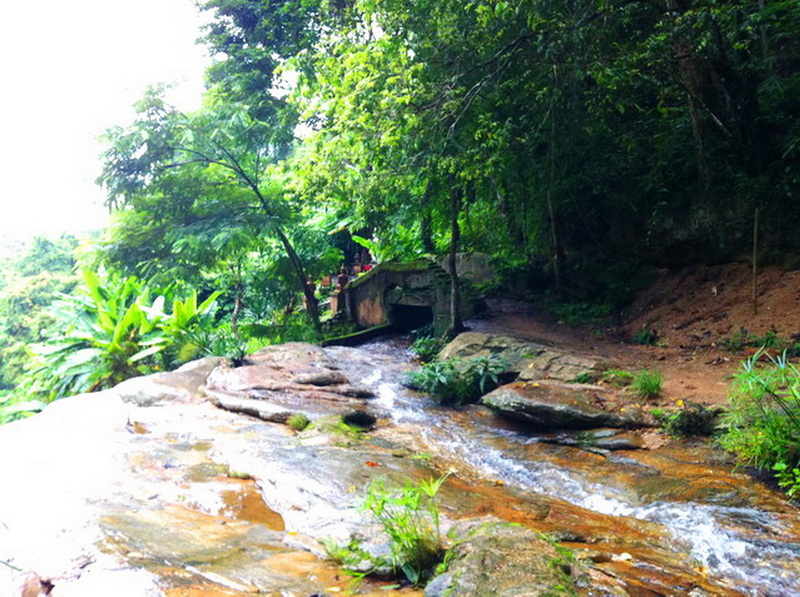
Wat Pha Lad is a lesser-known temple near Doi Pui that offers a tranquil retreat from more frequented tourist sites. Surrounded by forest and mountain scenery, it provides a peaceful setting for meditation and reflection. The temple’s simple yet evocative architecture reflects the harmony between spiritual practice and nature.
Visiting Wat Pha Lad alongside the hill tribe village enriches the itinerary by showcasing different aspects of Northern Thailand’s cultural landscape. Its quiet ambiance allows travelers to connect with the region’s contemplative traditions and appreciate the diversity of religious expression.
A Last Look at the Journey
Engaging with the Doi Pui Hmong Village and its surrounding attractions offers a rewarding journey into the rich cultural tapestry of Northern Thailand. By choosing thoughtfully designed day tours and combined experiences, travelers can enjoy meaningful immersion while honoring the community’s heritage and way of life. Preparing with respect and openness not only enriches the visit but also supports sustainable tourism that values authenticity and dignity. Whether drawn by spiritual discovery or cultural curiosity, visitors to this region find an opportunity to learn, reflect, and connect deeply with a heritage that continues to thrive in the hills of Muang Chiang Mai.

No comments:
Post a Comment