Friday, October 30, 2026

Wat Phra That Hariphunchai and the Civic Memory of Lamphun

Wat Phra That Hariphunchai and the Civic Memory of Lamphun

How an old city, a revered relic tradition, and changing northern kingdoms meet at one Lamphun temple
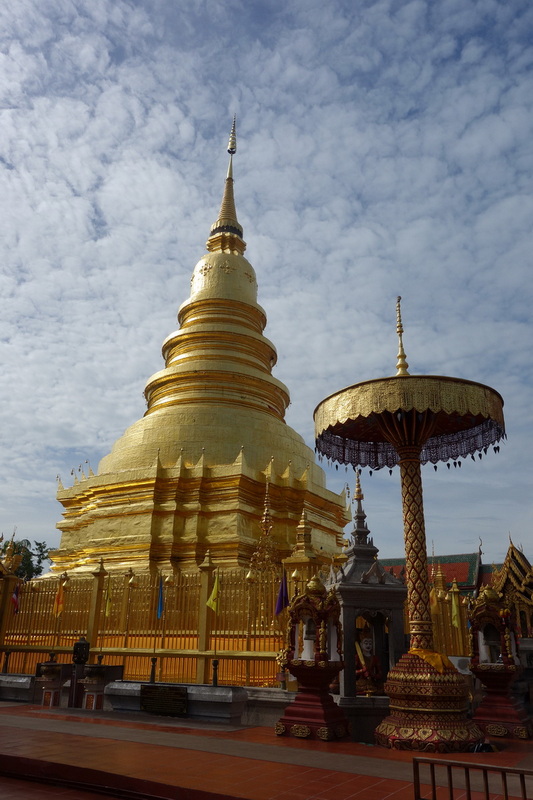
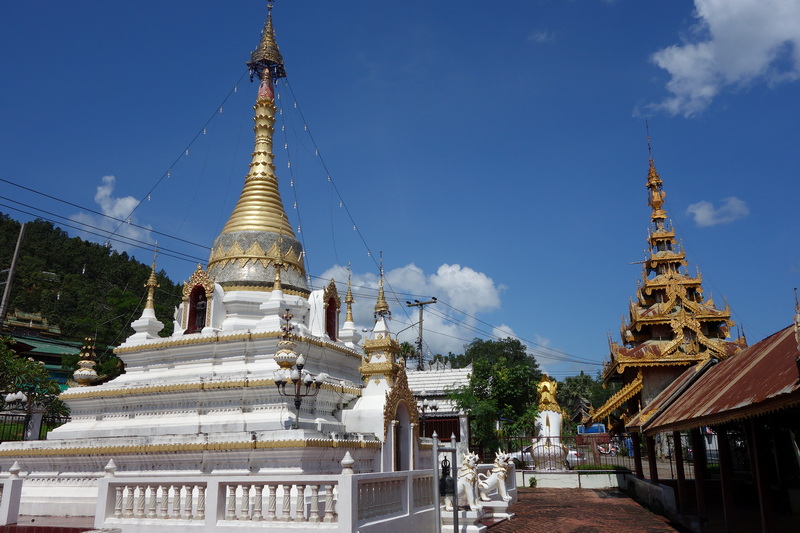
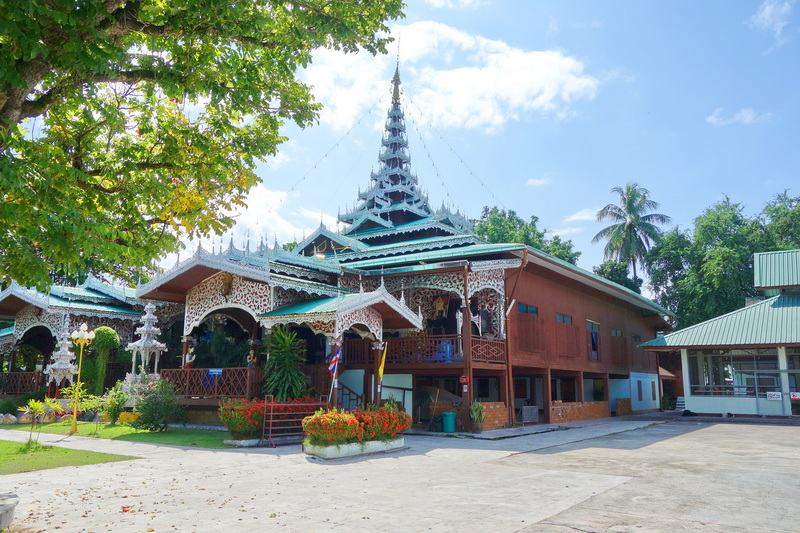
Travel photograph selected for Wat Phra That Hariphunchai destination guide.

To understand Wat Phra That Hariphunchai, begin with Lamphun rather than with the temple’s most visible structure. The city’s compact historic core preserves the memory of Hariphunchai, a Mon kingdom whose political and religious influence shaped this part of northern Thailand before the rise of Lanna. The temple occupies a crucial position within that old urban setting, where routes, civic identity, royal associations, and Buddhist devotion have long intersected. This makes Phra That Hariphunchai Temple useful as a historical reference point: it helps explain why Lamphun retains a character distinct from larger northern cities. The site is also one of the Famous Temples In Northern Thailand, yet its importance is best measured through its connection to the city around it. A visit becomes more meaningful when the temple is read as part of Lamphun’s remembered geography, rather than treated as an isolated architectural attraction.

A Landmark Positioned Inside an Older City

Lamphun’s history is unusually concentrated. The old city is small enough for its religious sites, monuments, and streets to be considered together, and Wat Phra That Hariphunchai stands near the center of that arrangement. Its position matters because sacred buildings in historic cities often do more than serve worshippers. They help organize public memory. Names, festivals, processions, local stories, and familiar routes can all gather around a major temple, allowing the past to remain present in ordinary urban life.

The temple is formally known as Wat Phra That Haripunchai Woramahawihan, while forms such as Wat Phrathat Hariphunchai, Phrathat Hariphunchai, and Hariphunchai Temple are also used when referring to it. These names point toward the same historical identity: a temple associated with Hariphunchai and with the relic enshrined in its principal stupa. For Lamphun, that association is not merely a label. It links the modern city with a much older regional story.

Seen on a map, the temple belongs to the civic fabric of Mueang Lamphun District, Lamphun. Seen historically, it marks a meeting point between an ancient political center and the later religious world of Lanna. That relationship gives the site a different character from a temple encountered without an urban or dynastic setting.

What the Hariphunchai Name Carries

Hariphunchai is remembered as a Mon kingdom that flourished in the north before Lamphun became part of the Lanna sphere. Accounts of the region combine historical evidence, religious traditions, and later chronicles. They should not all be treated as the same kind of source. A story about a sacred relic may express the community’s religious understanding, while an inscription, architectural feature, or documented political change may offer a different kind of historical evidence.

Wat Phra That Hariphunchai brings these forms of memory into one place. Its name preserves the older kingdom’s identity, while its continuing importance reflects the way later generations adopted, renewed, and interpreted earlier sacred centers. The temple therefore should not be described as a perfectly unchanged survival from one period. Its significance lies partly in continuity and partly in adaptation.

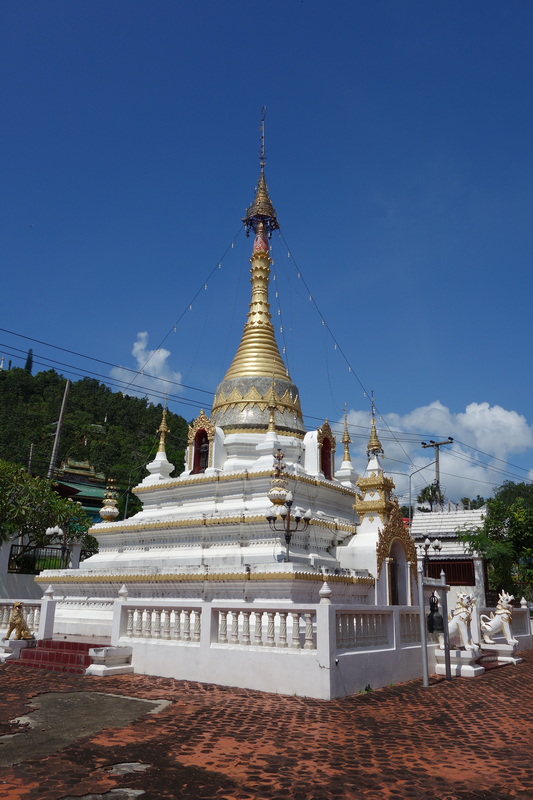
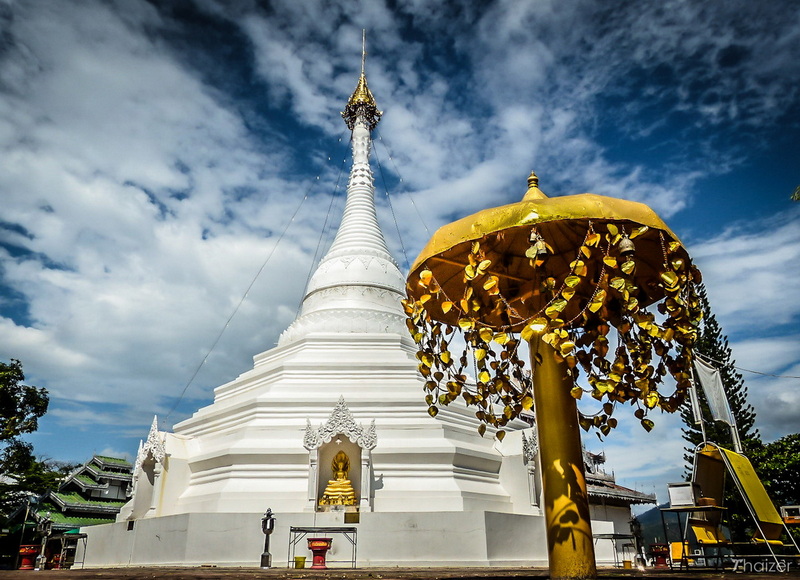
The central stupa is the clearest visual focus, but the historical question is not simply how old every visible element may be. A better question is why this site continued to receive attention as political authority shifted and artistic preferences changed. The answer involves the authority of relic tradition, the prestige of Lamphun’s former capital, and the ability of Buddhist institutions to connect inherited memory with present obligations.
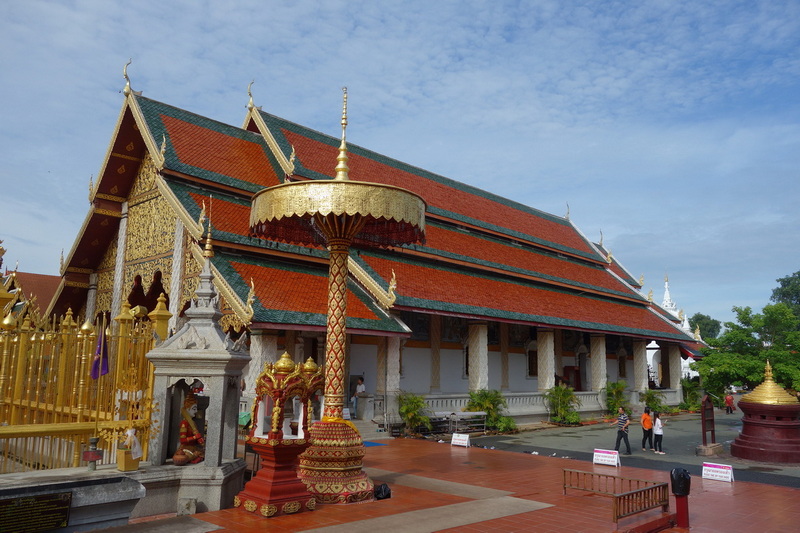
Travel photograph selected for Wat Phra That Hariphunchai destination guide, Wat Phra That Hariphunchai main article view 2 2

From Hariphunchai to the Lanna World

Lamphun’s position between historical periods is central to the temple’s meaning. Hariphunchai supplied an older foundation of Mon culture and Buddhist practice. Later Lanna rule brought new political relationships and artistic developments, but it did not erase the importance of the earlier center. Instead, Lamphun became part of a broader northern network in which older sacred places could be incorporated into new regional identities.

This process is visible in the way the temple is discussed today. Wat Hariphunchai is neither presented only as a Mon archaeological remnant nor detached from the Lanna traditions that followed. It is understood through both connections. That dual identity helps explain why visitors interested in the history of northern Thailand often find Lamphun especially rewarding: the city shows how cultural change can involve absorption, reinterpretation, and preservation at the same time.

The temple’s decorative language should consequently be read with care. A visible form may reflect restoration, later patronage, or an artistic convention shared across northern religious centers. It does not automatically provide a complete record of the earliest foundation. Looking for those distinctions prevents the visit from becoming a search for a single pure or untouched past.

Why the Site Still Belongs to Lamphun’s Public Identity

A major temple can function as a religious institution and as a civic reference at once. In Lamphun, the association with Phrathat Hariphunchai helps residents and visitors locate the city within a longer story. The temple’s name appears in explanations of local history, in cultural celebrations, and in conversations about what distinguishes Lamphun from nearby northern centers. Its importance is therefore social as well as architectural.
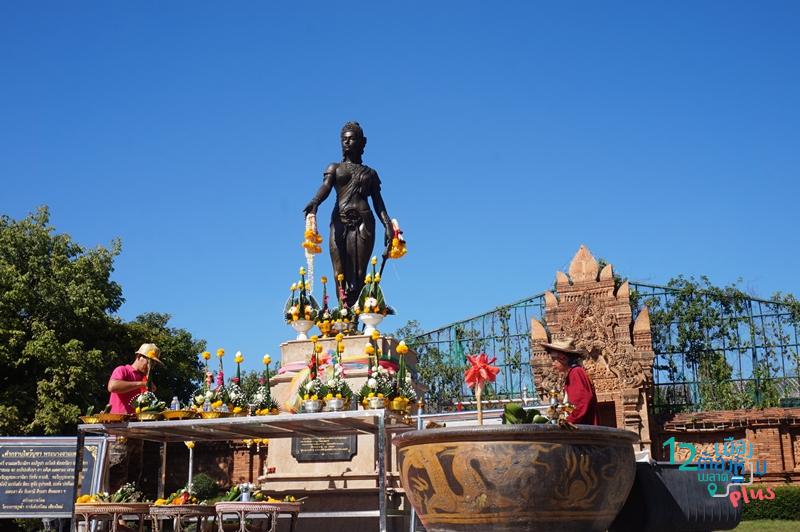
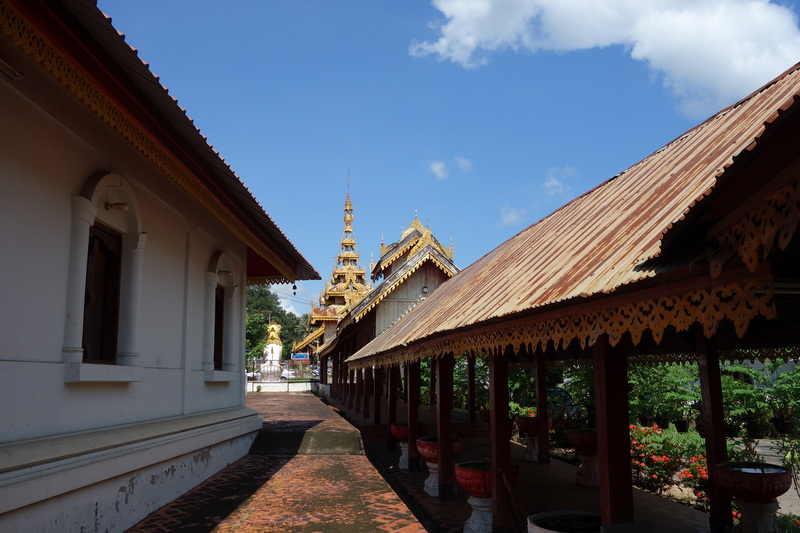
Travel photograph selected for Lamphun destination guide.

That civic role also changes the way a visitor should look at the compound. Rather than treating each hall, gateway, bell, or decorative surface as a separate attraction, consider how the parts support a shared identity. The buildings provide settings for ritual, remembrance, and gathering. Their meaning comes from repeated use and from the explanations people attach to them, not only from their appearance.

For this reason, a quiet and attentive visit is historically useful. Notice the relationship between the temple and the surrounding streets. Observe which spaces invite movement, pause, offering, or collective activity, without intruding on worship. Such attention reveals how a historic center remains legible through behavior as much as through surviving structures.

A Historical Method for Visitors

Visitors do not need specialist training to approach the temple thoughtfully. It helps to separate three questions. First, what can be observed directly in the buildings and urban setting? Second, what is explained through local tradition or religious belief? Third, what belongs to the documented political history of Hariphunchai and Lanna? Keeping these questions distinct makes the experience richer without diminishing the spiritual importance of tradition.
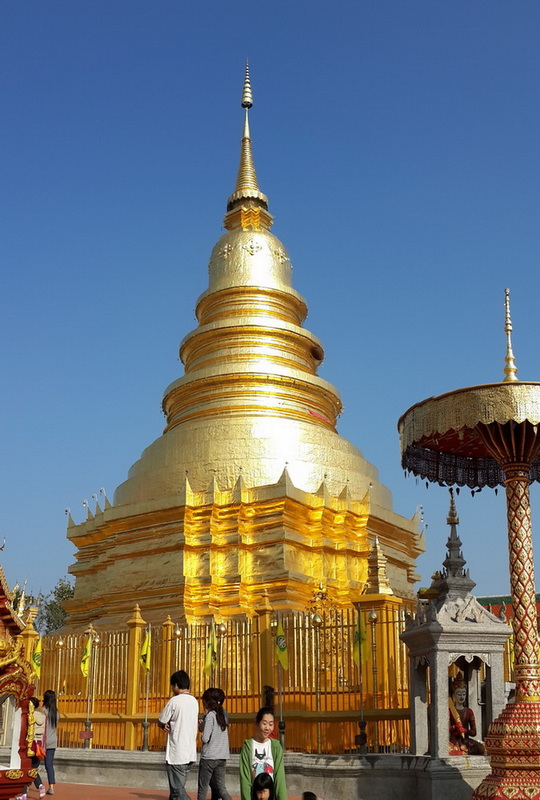
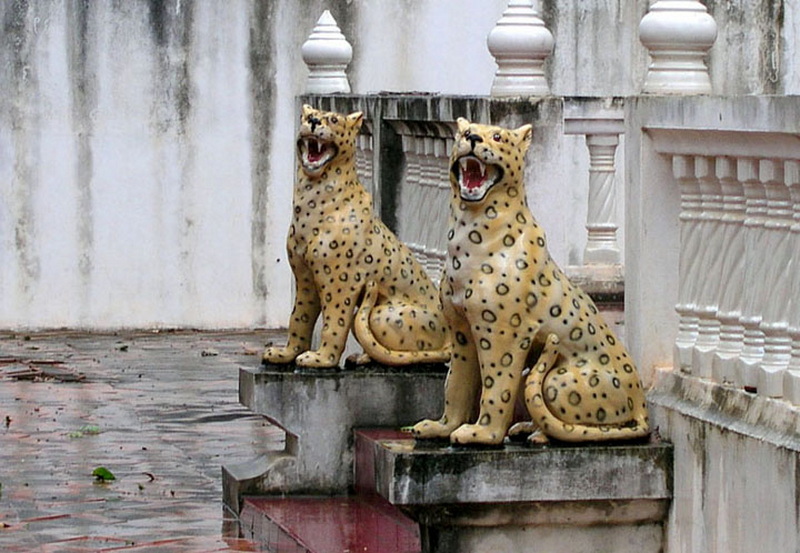
Travel photograph selected for Wat Phra That Hariphunchai destination guide, Wat Phra That Hariphunchai main article view 3 2

The principal stupa naturally draws attention, but it should be considered alongside the temple’s wider setting. Look for evidence of maintenance, renewal, and changing use. These signs do not weaken the site’s historical value. They show that heritage survives because communities continue to assign responsibilities and meanings to it.

Cultural awareness is part of historical observation. Dress and conduct should be appropriate for a Buddhist temple, and photography should never take priority over ceremonies or private acts of devotion. These are not merely visitor rules in the abstract; they recognize that the site is still used for purposes that predate and exceed tourism. The most useful questions are therefore quiet ones: who is this space serving today, and how does that present use relate to the memory preserved here?

Two Nearby Sites That Clarify the City’s Development

Wat Phra Yuen offers a useful comparison because it directs attention toward another stage in Lamphun’s Buddhist and architectural history. Visiting it after Wat Phra That Hariphunchai can encourage a comparison between a principal relic center and a different temple setting, rather than treating every religious building as evidence of the same period or function. Together, the sites suggest that Lamphun’s heritage is distributed across several institutions.

Wat San Pa Yang Luang adds another perspective on the city’s continuing artistic and devotional character. Its presence helps shift the visitor’s focus away from royal and kingdom-level history toward the ways craftsmanship, local patronage, and religious activity remain important in Lamphun. The comparison is valuable because it places the fame of Wat Phrathat Hariphunchai within a wider network instead of allowing one monument to stand for the whole city.

These nearby visits work best as historical contrasts. Wat Phra Yuen can extend reflection on the development of Buddhist architecture in Lamphun, while Wat San Pa Yang Luang can highlight the persistence of local temple culture beyond the principal city landmark. Each gives the central temple a sharper context.

Nearby Attractions

Wat Phra Yuen
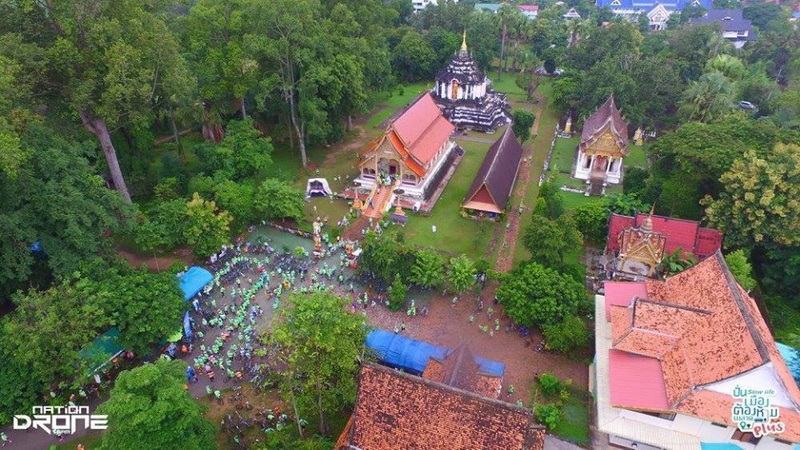
Travel photograph selected for Wat Phra Yuen destination guide.

Wat Phra Yuen provides a second point of reference for studying Lamphun’s Buddhist architecture and the changing forms of temple patronage. Its historical value lies in comparison: after seeing Wat Phra That Hariphunchai as a major relic center, visitors can consider how another temple contributes to the city’s religious identity.

Wat San Pa Yang Luang
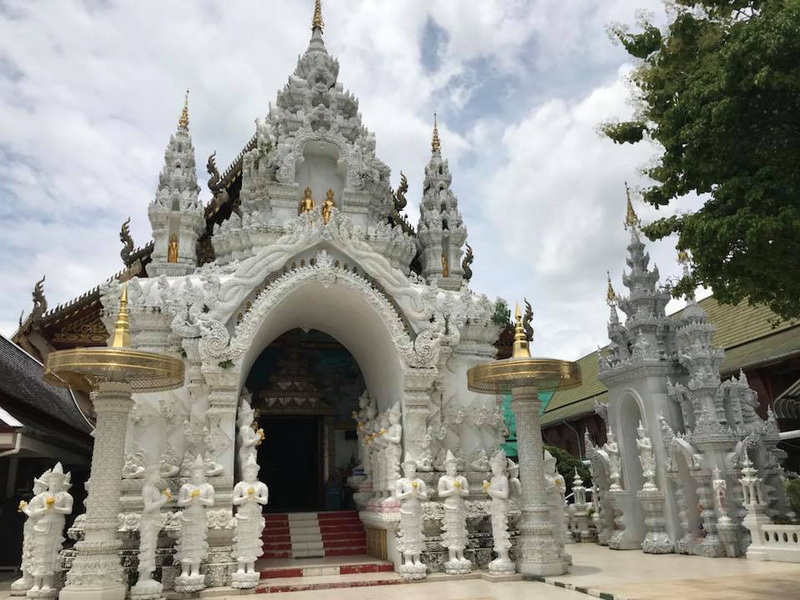
Travel photograph selected for Wat San Pa Yang Luang destination guide.

Wat San Pa Yang Luang broadens the visit beyond the best-known historical focus of the old city. It invites attention to local craftsmanship, devotional continuity, and the network of temples through which Lamphun’s cultural identity is sustained. Seen alongside Wat Hariphunchai, it shows that the city’s heritage has more than one center of meaning.

A Last Look at the Journey

Wat Phra That Hariphunchai matters because Lamphun has continued to build its identity around an older center rather than leaving that past behind as a distant chapter. Hariphunchai memory, later Lanna connections, relic tradition, and present civic life meet within the same urban setting. The temple does not offer one simple date or one complete explanation of northern history. Instead, it provides a place where different kinds of evidence and belief can be considered together. Pairing the visit with Wat Phra Yuen and Wat San Pa Yang Luang makes that point clearer: Lamphun’s story is carried by a network of sacred places, each contributing a different view of how the city changed and endured.

Thursday, October 29, 2026

Sai Ngam Natural Mineral Spring on a Mae Hong Son Sightseeing Journey

Sai Ngam Natural Mineral Spring on a Mae Hong Son Sightseeing Journey

A practical route from Chiang Mai through Pai, combining hot spring scenery with respectful local sightseeing

Travel photograph selected for Sai Ngam Natural Mineral Spring destination guide.

A journey from Chiang Mai to Mae Hong Son is best understood as a sequence of landscapes rather than a single transfer. Mountain roads lead toward Pai and then into the wider province, where forest, valleys, village life, and small natural attractions shape the experience. For travelers who prefer sightseeing with time to observe their surroundings, a hot spring visit can provide a calm contrast to long hours on the road. Sai Ngam Natural Mineral Spring, also known as Sai Ngam Hot Spring, is one of the natural attractions associated with Pai District in Mae Hong Son. Its appeal comes from the setting: warm mineral water gathered among trees, a green atmosphere, and a quieter rhythm than the main sightseeing centers. The site is not simply a place to stop for a photograph; it is an opportunity to notice how water, forest, and recreation meet in northern Thailand. This guide places the spring within a broader Mae Hong Son sightseeing journey from Chiang Mai. It explains how different tour styles can approach the region, what visitors may expect from Sai Ngam, and how Pai Walking Street and Santichon Village can add cultural and community perspectives to the same itinerary.

Planning the journey beyond Chiang Mai

Sightseeing trips from Chiang Mai to Mae Hong Son usually require a regional rather than rushed view of travel. The distance, mountain terrain, and winding roads make the journey more meaningful when travelers allow time for pauses. A Mae Hong Son Sightseeing Tour From Chiang Mai may be arranged as a multi-day route through Pai and onward toward Mae Hong Son, while independent travelers can create a similar sequence with their own transport and overnight planning. The appropriate choice depends on how much time is available and whether the priority is scenery, cultural visits, or relaxed exploration. Travelers researching Saingam Hot Springs can use these details when planning the trip.

A well-balanced route treats Pai as more than a transport point. The district provides access to natural sites and community attractions, including Sai Ngam, while also offering places to walk, eat, and observe daily activity. Travelers continuing toward Mae Hong Son can use Pai as part of a longer loop, whereas those with a shorter schedule may focus on the Pai area without attempting to cover the entire province.

Road conditions and travel times can vary, so current local advice is important before departure. Mountain routes may include frequent curves, and weather can affect comfort and visibility. A tour with a driver or guide can reduce the demands of navigation, while self-drive travelers should plan conservatively, take breaks, and avoid treating the route as a race. The strongest sightseeing experience comes from leaving enough room for the landscape to set the pace.

What makes Sai Ngam a distinctive stop

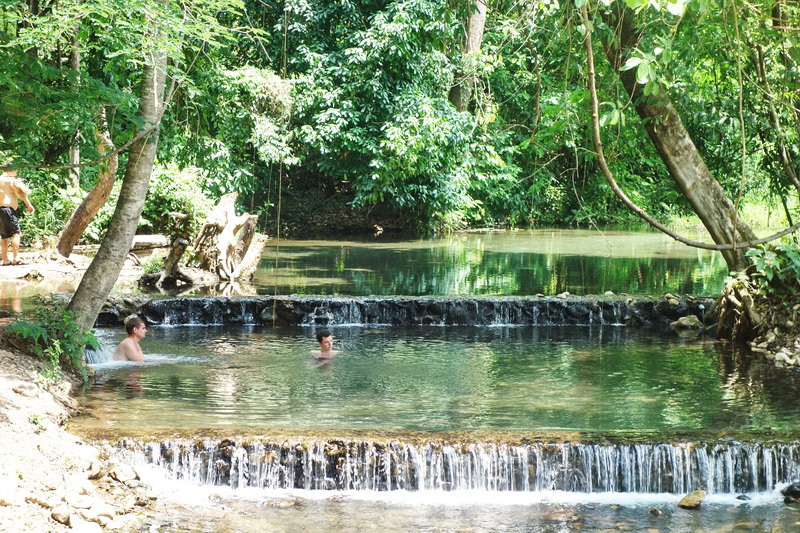
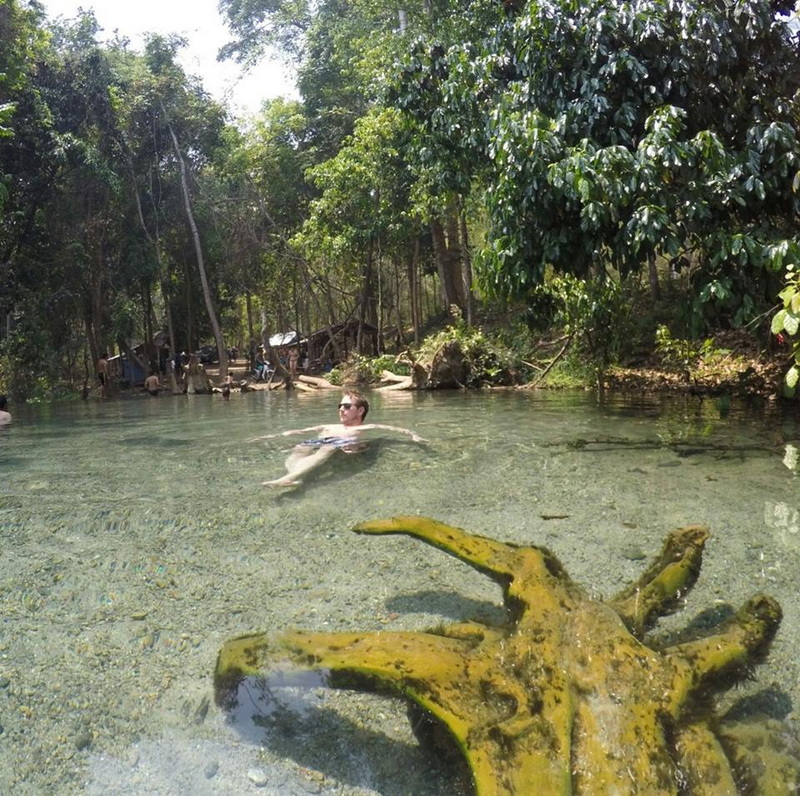
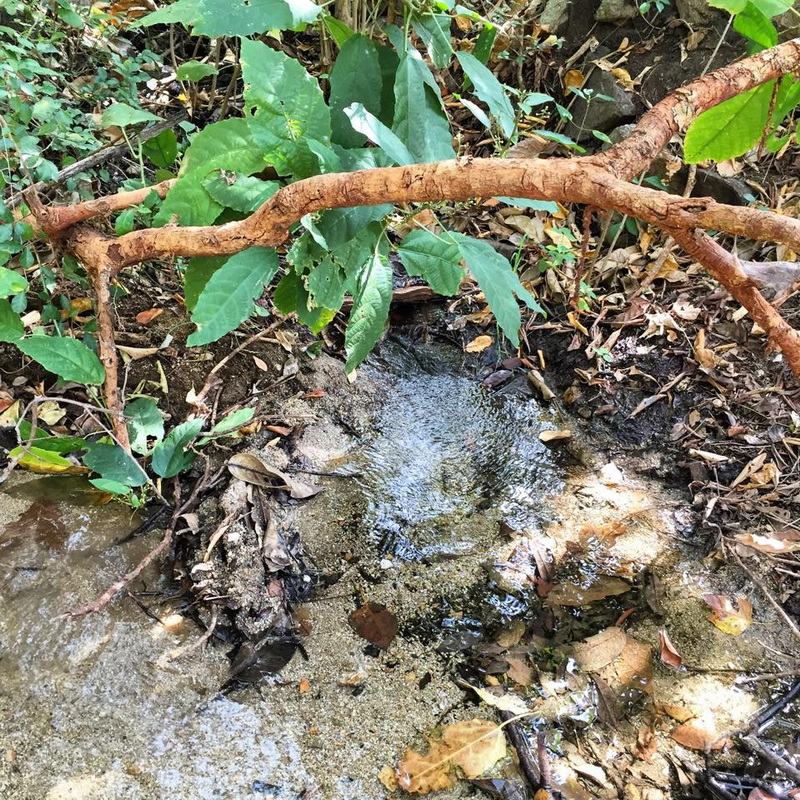
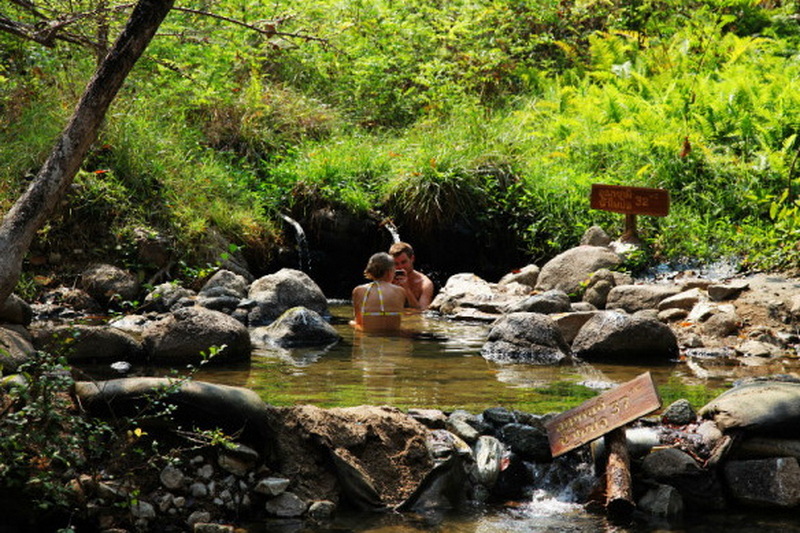
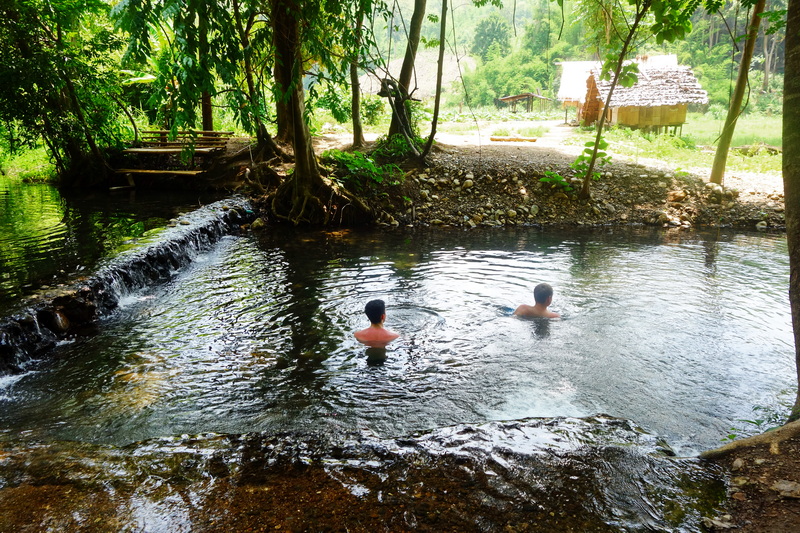
Sai Ngam Hot Springs are associated with a natural pool environment in a forested part of Pai District. Warm mineral water rises and gathers in a setting shaded by vegetation, creating an atmosphere that feels closely connected to the surrounding woodland. The combination of water, trees, and gentle bathing areas gives the attraction a character different from a developed spa or a large commercial recreation complex.

Visitors considering a Visit Sai Ngam Hot Spring stop should expect a nature-based experience rather than a highly programmed attraction. The main interest lies in sitting near or entering the warm water, noticing the forest around the pool, and allowing time for quiet observation. Water temperature and comfort can differ according to conditions and individual tolerance, so visitors should enter carefully and follow local guidance. Anyone with health concerns should consider personal medical advice before using a hot spring.

Travel photograph selected for Sai Ngam Natural Mineral Spring destination guide, Sai Ngam Natural Mineral Spring main article view 2 2

The phrase Sai Ngam Hot Spring Thailand can suggest a broad national category, but this attraction has a distinctly local setting in Pai District, Mae Hong Son Province. Its mineral content is part of its natural identity, although visitors should avoid assuming that bathing water provides a guaranteed medical treatment. The more reliable benefit is experiential: warm water can encourage rest after a road journey, while the natural surroundings invite attention to the region's ecology and landscape.

Good conduct helps preserve the atmosphere. Visitors should keep voices moderate, avoid leaving rubbish, respect bathing customs, and use facilities according to posted instructions. Photography should be considerate, especially when other people are bathing or relaxing. A spring remains a shared environment, and a respectful visit recognizes that local residents and other travelers may value its peaceful character.

Choosing a sightseeing approach from Chiang Mai

Travelers can approach the region through several sightseeing formats without relying on a single fixed itinerary. A multi-day guided journey may connect Chiang Mai, Pai, natural attractions, and Mae Hong Son with commentary and planned stops. This can suit visitors who want regional context and prefer someone else to manage the mountain route. A self-directed road trip offers greater flexibility, but it requires careful attention to driving conditions, navigation, fuel planning, and rest.

Some travelers search for a Mae Hong Son Thailand Visitor Guide because they want to understand the relationship between the route's destinations before choosing a tour. In that case, it helps to separate the journey into themes. Pai can provide a base for nature and evening walks; Sai Ngam can supply a slower forest stop; and the road onward can reveal broader views of Mae Hong Son Province. This thematic approach prevents the trip from becoming a checklist of disconnected locations.

A tour that includes Sai Ngam should allow unhurried time at the spring rather than treating it as a brief photo stop. Visitors may wish to carry drinking water, sun protection, a change of clothes, and suitable footwear, while also checking current access conditions before setting out. These are practical preparations rather than promises about facilities, since local operations and conditions can change.

Travel photograph selected for Sai Ngam Natural Mineral Spring destination guide, Sai Ngam Natural Mineral Spring main article view 3 2

The most useful question is not whether one tour is universally best, but what kind of attention the traveler wants to give the region. A guide can explain geography and local context; a driver can make a long route less tiring; and an independent traveler can pause according to personal interest. Each approach can work when it respects road realities and avoids packing too many stops into one day.

Reading the landscape with cultural awareness

Pai District is shaped by more than scenic viewpoints. Its attractions reflect a living area where residents, visitors, farms, roads, forests, and small businesses share the same landscape. A visit to Sai Ngam is therefore stronger when paired with attentive travel: observe local signs, support appropriate community businesses, and remember that villages are homes and working communities rather than staged displays.

Santichon Village offers a cultural stop near Pai where visitors can learn about a community associated with Yunnan Chinese heritage. The site includes architecture, food, and visitor-oriented activities that present aspects of that history. Travelers should approach it as a place of cultural context, not as an opportunity to stereotype ethnic communities. Listening, asking permission before photographing people, and recognizing the difference between a public attraction and private life all contribute to more respectful sightseeing.

The landscape around the spring also deserves care. Wet areas and forest edges can be sensitive to litter, noise, and careless movement. Staying on suitable paths, using designated areas, and avoiding damage to plants or natural features are simple ways to reduce impact. These habits matter particularly at attractions whose appeal depends on the continued relationship between natural water and surrounding vegetation.

When nature and culture are visited together, the journey becomes more than a collection of scenic stops. The hot spring provides an environmental perspective, while nearby community attractions show how people interpret, use, and share the region. Neither should be reduced to a backdrop for photographs. A slower and more observant approach allows travelers to appreciate both without making exaggerated claims about local life.

Travel photograph selected for Sai Ngam Natural Mineral Spring destination guide, Sai Ngam Natural Mineral Spring main article view 4 2

Building a comfortable sightseeing sequence

A practical sequence may begin with travel from Chiang Mai toward Pai, followed by a pause that allows travelers to recover from the road before visiting Sai Ngam. The spring is most enjoyable when the schedule leaves time for changing, bathing or observing, and drying off without pressure to depart immediately. Rather than assigning an exact timetable, travelers should use current road information and local opening guidance to decide how the day should unfold.

After the spring, Pai Walking Street can provide a contrasting evening setting when it is operating. The street is known for pedestrian activity, food stalls, small shops, and the informal energy of a popular visitor area. It is a place to sample local and regional foods, browse thoughtfully, and observe how tourism and everyday commerce overlap. Visitors should keep belongings secure, respect vendors, and avoid blocking busy paths while taking photographs.

Those continuing toward Mae Hong Son can treat this Pai-based portion as one chapter of a longer route. Those returning or staying nearby can focus on the contrast between the quiet forest spring and the livelier walking street. Santichon Village can be placed as a separate cultural visit, allowing enough time to understand its presentation rather than combining every stop into a hurried circuit.

This flexible structure is useful for both guided and independent travel. It keeps the primary focus on sightseeing while leaving space for weather, road conditions, and personal energy. The result is a journey that connects Chiang Mai with Mae Hong Son through changing environments instead of measuring success by the number of attractions completed.

Nearby Attractions

Pai Walking Street

Travel photograph selected for Pai Walking Street destination guide.

Pai Walking Street adds an urban and social contrast to the natural setting of Sai Ngam. Its evening atmosphere is shaped by pedestrian movement, food vendors, small retail stalls, and travelers exploring the center of Pai. Availability and activity can vary, so visitors should check current local conditions rather than assume that every stall or feature operates in the same way throughout the year.

For a thoughtful visit, walk at an easy pace, sample food according to personal dietary needs, and support small businesses respectfully. The street works well after a nature excursion because it shows another side of Pai: compact, lively, and shaped by both residents and visitors. It can also be a useful place to reflect on how tourism influences a mountain town without treating the community as a performance.

Santichon Village

Travel photograph selected for Santichon Village destination guide.

Santichon Village provides cultural context within a Pai-area itinerary. Its visitor spaces present elements connected with Yunnan Chinese heritage, including food, buildings, and community-oriented attractions. The experience is most informative when travelers take time to read available explanations and understand that cultural identity is more complex than the visual features presented at a tourism site.

Visitors should follow local instructions, ask before photographing people, and avoid generalizing about hill tribe or ethnic communities. Buying a locally offered product or meal can be a respectful form of participation when done thoughtfully, but cultural appreciation should not depend on treating residents as attractions. Combined with Sai Ngam, the village helps create a varied route that includes natural features as well as human history.

A Last Look at the Journey

Sai Ngam Hot Springs offers a gentle natural pause within the larger journey from Chiang Mai toward Mae Hong Son. Warm mineral water, forest surroundings, Pai's evening activity, and the cultural context of Santichon Village can form a balanced sightseeing sequence when visited with enough time and respect. Whether arranged through a guided route or planned independently, the journey is strongest when travelers accept the mountain roads, protect shared spaces, and remain curious about the communities along the way. Sai Ngam is not merely a stop between destinations; it is a reminder to slow down and notice the landscape that connects them.

Wednesday, October 28, 2026

Chiang Mai Monkey Show and Animal Farms Around Mae Rim

Chiang Mai Monkey Show and Animal Farms Around Mae Rim

A thoughtful Mae Rim route for curious travelers who value nature, context, and responsible animal encounters

Travel photograph selected for Chiang Mai Monkey Show destination guide.

Mae Rim District, Chiang Mai, is a useful starting point for travelers who want to look beyond the city center and explore a greener side of northern Thailand. The Chiang Mai Monkey School is often included in this wider landscape of animal attractions and countryside visits. Rather than treating a visit as a quick spectacle, it is more rewarding to consider how the setting, the animals, and the surrounding attractions shape the experience. This guide approaches Monkey School Thailand as one stop within a broader nature-oriented outing. It explains what visitors may encounter, how to think about animal welfare, and how to prepare for a day that can include farms, gardens, and other attractions around Mae Rim. Conditions, presentations, and visitor arrangements can change, so travelers should confirm current details directly before setting out. The emphasis is on observation and readiness rather than a fixed package. Whether you are researching a Chiang Mai Monkey School Travel Guide or comparing regional excursions, the most useful plan leaves room for respectful behavior, comfortable travel, and an honest understanding that animal encounters should never be separated from welfare considerations.

Starting with the Mae Rim Landscape

Mae Rim District lies north of Chiang Mai and is known for a more open, semi-rural character than the urban center. Roads in the district connect gardens, farms, nature sites, and visitor attractions, creating a setting where a short visit can become part of a larger countryside exploration. The journey itself may include views of cultivated land, wooded hills, and local communities, depending on the route taken.

The location matters because it changes the rhythm of the day. A visitor is not simply moving between indoor attractions in town; outdoor conditions, road travel, heat, and walking surfaces can all influence comfort. Travelers considering a Chiang Mai Monkey School Mae Rim visit should allow enough time for pauses and should avoid planning too many unrelated stops without checking distances first.

For nature lovers, this regional context is as important as the attraction name. Animal farms and gardens can introduce visitors to different forms of land use, while the surrounding countryside provides a reminder that tourism takes place within working communities. Quiet observation, modest clothing, and awareness of noise are appropriate ways to respect the setting.

Understanding the Chiang Mai Monkey School Experience

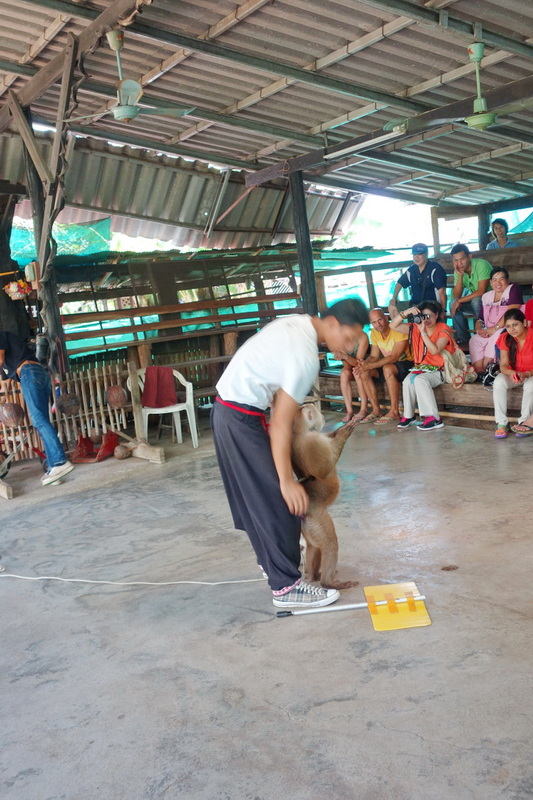
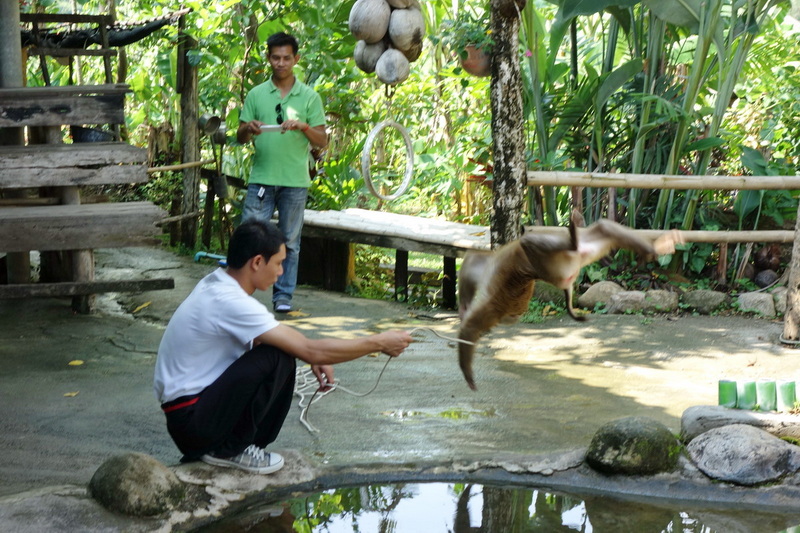
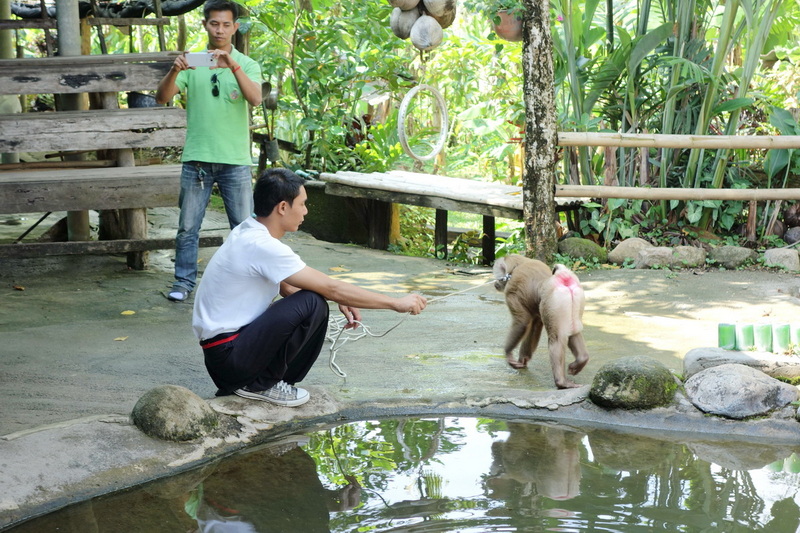
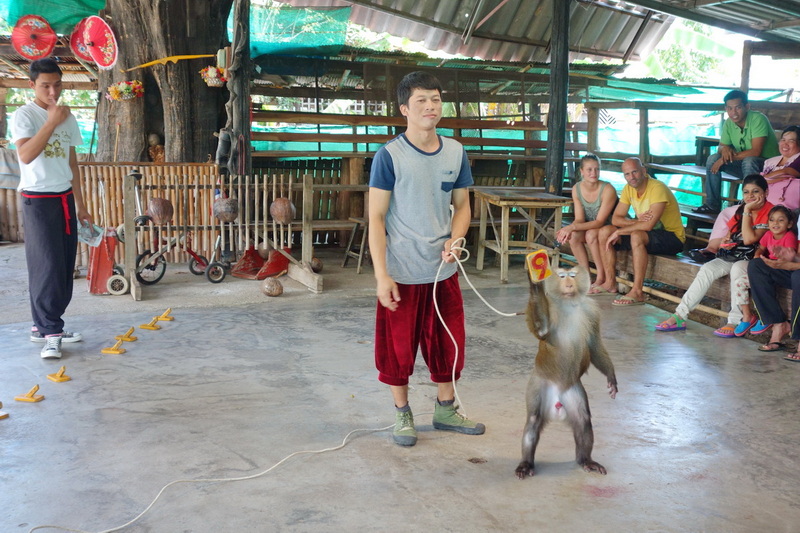
The Chiang Mai Monkey School is associated with demonstrations involving trained monkeys and is commonly discussed under the Chiang Mai Monkey Show name. Visitors may be curious about the animals’ abilities, training, and relationship with handlers. A responsible visit, however, should include more than watching a performance. It should encourage questions about housing, handling, rest, food, veterinary care, and whether the animals appear calm and healthy.

Animal behavior can be easy to misread in a tourism setting. A quiet animal is not automatically a contented animal, and a performance does not explain the conditions outside the viewing area. Visitors should avoid shouting, sudden movements, teasing, touching animals without clear permission, or attempting to feed them. Flash photography and close approaches may also cause stress, particularly when an animal is resting or being moved.

Travel photograph selected for Chiang Mai Monkey Show destination guide, Chiang Mai Monkey Show main article view 2 2

A Chiang Mai Monkey School Visitor Guide is most useful when it prepares travelers to observe critically and respectfully. Look for clear boundaries between guests and animals, attentive handlers, access to shade or shelter, clean water, and signs that the animals are not being pushed beyond their limits. If a situation appears uncomfortable, stepping back or choosing not to participate is a reasonable decision.

The experience may appeal to families, photographers, and travelers interested in the history of animal training in Thailand, but expectations should remain flexible. Current presentations, access arrangements, and visitor policies can vary. Confirming the latest information before travel is more reliable than assuming that a description from an older itinerary still applies.

Animal Farms in Chiang Mai and the Wider Day

Animal Farms in Chiang Mai cover a broad range of experiences, from educational settings to family-oriented attractions and working agricultural spaces. They are not all alike, and the label should not be taken as a guarantee of high welfare standards. Before choosing a stop, consider whether the attraction explains its care practices, limits direct contact, and gives animals opportunities to retreat from visitors.

A useful day plan starts with purpose. Someone interested in photography may prefer quiet observation and natural surroundings, while a family may need shorter walking distances and shaded rest points. A traveler combining several stops should consider transport time, weather, and the possibility that animals are less active during hotter parts of the day. Comfortable shoes, sun protection, drinking water, and light clothing can make an outdoor route easier.

Trekking readiness is also relevant around Mae Rim, even when the main plan is not a hike. Some visits involve uneven paths, steps, damp ground, or brief walks between parking areas and exhibits. Visitors with mobility concerns should ask about surfaces and access in advance. Those planning a longer countryside route should carry only what they need and keep valuables secure without distracting from awareness of traffic and surroundings.

Travel photograph selected for Chiang Mai Monkey Show destination guide, Chiang Mai Monkey Show main article view 3 2

Travelers comparing Tours Chiangmai should look closely at what an itinerary actually includes rather than choosing solely by the number of attractions. A smaller route with realistic travel time may offer more opportunity to pause, learn, and behave responsibly. If a tour places several animal encounters back-to-back, ask whether the schedule allows animals and visitors a comfortable pace and whether participation is optional.

Making Ethical Choices During the Visit

Responsible tourism begins before arrival. Read current visitor information, check whether the attraction describes animal care, and decide in advance which activities you are unwilling to support. Do not assume that every advertised interaction is necessary for a meaningful visit. Watching from a respectful distance can be more appropriate than holding, feeding, or posing with an animal.

Observe the people as well as the animals. Handlers should be able to control the environment without harsh treatment, and staff should provide clear instructions to guests. Repeated signs of fear, forced contact, visible injury, inadequate shelter, or constant crowd pressure deserve caution. Visitors are not expected to conduct a formal inspection, but they can make informed choices and share concerns through appropriate channels.

Cultural respect is part of the same responsibility. The attraction operates within a Thai community and tourism economy, so visitors should avoid mocking local customs or treating workers and residents as part of a performance. Ask permission before photographing people, follow posted rules, and remember that a rural landscape is also a lived and working environment.

The phrase Visit Chiang Mai Monkey School can suggest a simple sightseeing task, but a thoughtful visit is more reflective. It asks what the attraction communicates about human-animal relationships and what kind of tourism the traveler is supporting. This approach does not require hostility toward every animal presentation; it requires attention, restraint, and willingness to leave an activity that conflicts with personal welfare standards.

Travel photograph selected for Chiang Mai Monkey Show destination guide, Chiang Mai Monkey Show main article view 4 2

Connecting the School with Nearby Stops

The Chiang Mai Monkey School can serve as an anchor for a wider Mae Rim exploration, especially for visitors who enjoy contrasting environments. A garden attraction offers a plant-focused setting, while a large wildlife attraction raises different questions about enclosure design, public education, and animal care. Seeing these places as separate experiences prevents the day from becoming a rushed sequence of similar photo opportunities.

Before combining stops, check the current location details and transport practicality. Map distances may not reflect traffic, road conditions, or time spent walking inside each attraction. A private vehicle, hired driver, or organized excursion may offer different levels of flexibility, while public transport options can require more planning in rural areas. Do not rely on an assumed timetable when an attraction’s operating information has not been confirmed.

A simple route can include one principal visit, one nearby attraction, and time for a meal or rest without turning the day into a race. Keep noise low, secure personal belongings, and follow instructions around animals and plants. If rain or heat changes the conditions, adjusting the plan is wiser than forcing every intended stop.

For travelers searching Chiang Mai Monkey School Attractions, the most memorable elements may be the landscape and the chance to think carefully about tourism, not merely the number of photographs collected. A slower itinerary gives visitors more room to notice local surroundings and make choices consistent with conservation, animal welfare, and community respect.

Nearby Attractions

Chiang Mai Orchid Farms

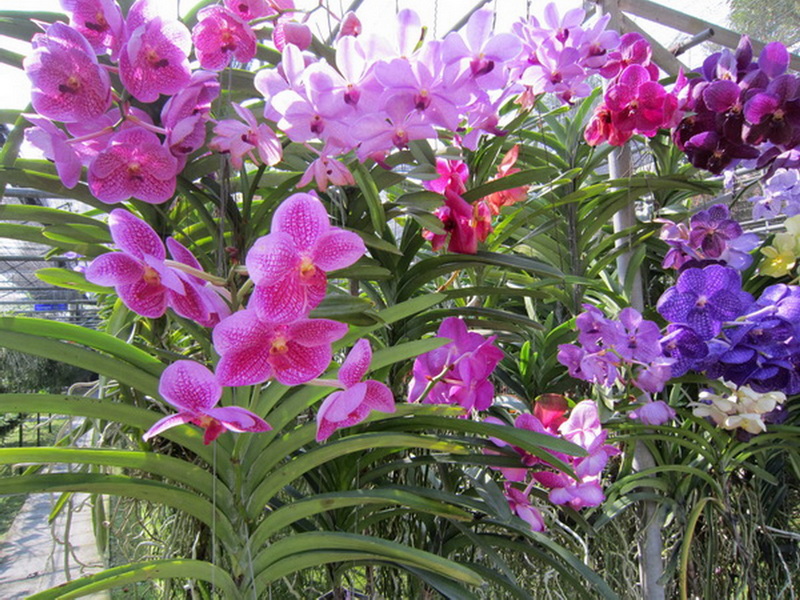
Travel photograph selected for Chiang Mai Orchid Farms destination guide.

Chiang Mai Orchid Farms provide a plant-centered contrast to the animal-focused setting of the school. Orchids are associated with Thailand’s tropical horticultural traditions, and a farm visit can encourage close observation of color, form, cultivation, and the work required to maintain delicate plants. The experience may suit travelers who want a quieter pause in a Mae Rim itinerary.

Visitors should treat the farm as a working horticultural environment rather than only a photo backdrop. Stay on permitted paths, avoid touching blooms, and follow instructions about photography and plant areas. Because conditions and access can vary, confirm current visitor information before combining the farm with another stop.

Tiger Kingdom Chiang Mai

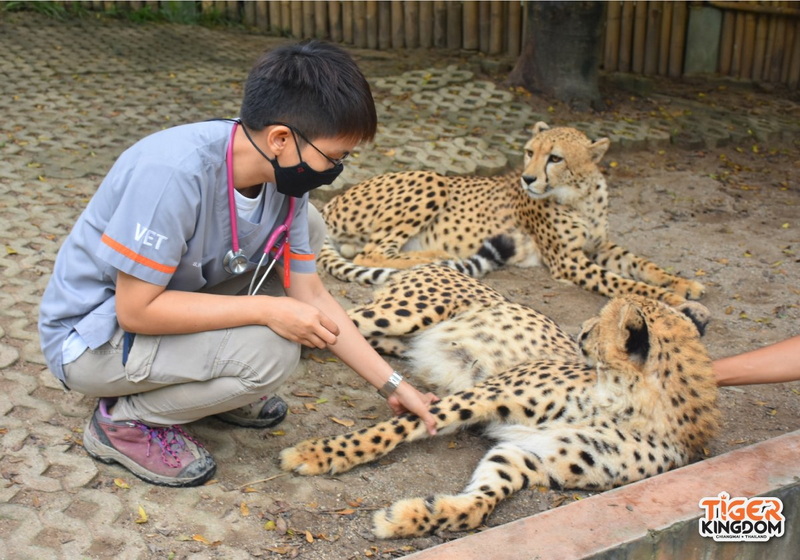
Travel photograph selected for Tiger Kingdom Chiang Mai destination guide.

Tiger Kingdom Chiang Mai is a separate wildlife attraction that may appear in regional itineraries alongside the monkey school. Its presence gives travelers an opportunity to consider how different species are presented to visitors and what questions should be asked about enclosure space, handling, breeding, veterinary care, and visitor contact. The name alone should not determine whether the experience fits an individual’s ethical standards.

Anyone considering a visit should review current welfare information and participation policies before traveling. Avoid pressuring yourself into close-contact activities, respect barriers and staff instructions, and observe whether animals have shade, privacy, and room away from crowds. Combining this stop with the Chiang Mai Monkey School is possible only if the route, travel time, and personal comfort all make sense.

A Last Look at the Journey

A visit to the Chiang Mai Monkey School can be part of a rewarding Mae Rim outing when it is approached with curiosity rather than unquestioning excitement. Consider the attraction within its rural setting, compare animal farms carefully, and choose nearby stops that suit your pace. The best plan is flexible: confirm current arrangements, prepare for heat and walking, and treat animals, workers, residents, and the landscape with respect. That mindset turns a simple excursion into a more informed experience of northern Thailand.

Pong Nam Ron Thapai Visitor Guides and Sightseeing Tours

Pong Nam Ron Thapai Visitor Guides and Sightseeing Tours

A practical route from Chiang Mai with respectful advice for exploring Pai’s geothermal landscape and nearby sights

Travel photograph selected for Pong Nam Ron Thapai destination guide.

Pong Nam Ron Thapai, also known as Tha Pai Hot Spring, is a natural attraction in Pai District, Mae Hong Son. It suits travelers who want a short outdoor stop within a wider journey rather than a destination that requires an entire day. The setting combines forest, warm mineral water, walking paths, and a calm sense of distance from Pai’s busier center. For visitors arriving from Chiang Mai, the hot spring is most useful when planned as one stage of a sightseeing route. The road into Mae Hong Son Province is scenic but winding, so transport choices, timing, and realistic expectations matter. A guided itinerary can reduce the work of navigation, while an independent traveler may prefer to treat the attraction as a flexible stop between other Pai-area sights. This guide explains what to consider before you go, what a visit may feel like, and how to place the spring alongside Tha Pai Memorial Bridge and Pai Canyon. It is written for travelers seeking practical orientation, not a fixed schedule or a promise of particular facilities. Local conditions, access arrangements, and bathing availability should always be checked close to the travel date.

Planning the journey from Chiang Mai

The distance between Chiang Mai and Pai makes the journey more than a simple transfer. The route crosses mountainous terrain and includes many curves, so travelers who are not comfortable driving may find a van, driver, or organized sightseeing tour more manageable. A Mae Hong Son Sightseeing Tour From Chiang Mai can place the hot spring within a broader itinerary, although the exact route and time spent at each stop depend on the operator and the overall trip design.

A practical tour plan should allow space for road conditions, rest breaks, and changing weather rather than treating every stop as a tightly timed appointment. Travelers considering a Chiang Mai to Mae Hong Son route should ask whether Pai is included, whether the visit is a brief photo stop or a longer walk, and whether the itinerary leaves enough time for personal exploration. These questions are more useful than choosing an itinerary solely by the number of attractions listed.

Independent visitors have a different set of decisions. A private car or hired driver allows more control over departure time and stop duration, while public transport connections may require additional planning once in Pai. Because the attraction lies outside the central town area, confirm the final approach, return transport, and any entrance or bathing arrangements before setting out. Carrying drinking water, sun protection, and comfortable walking shoes is sensible for a warm outdoor environment.

What to expect at Pong Nam Ron Thapai

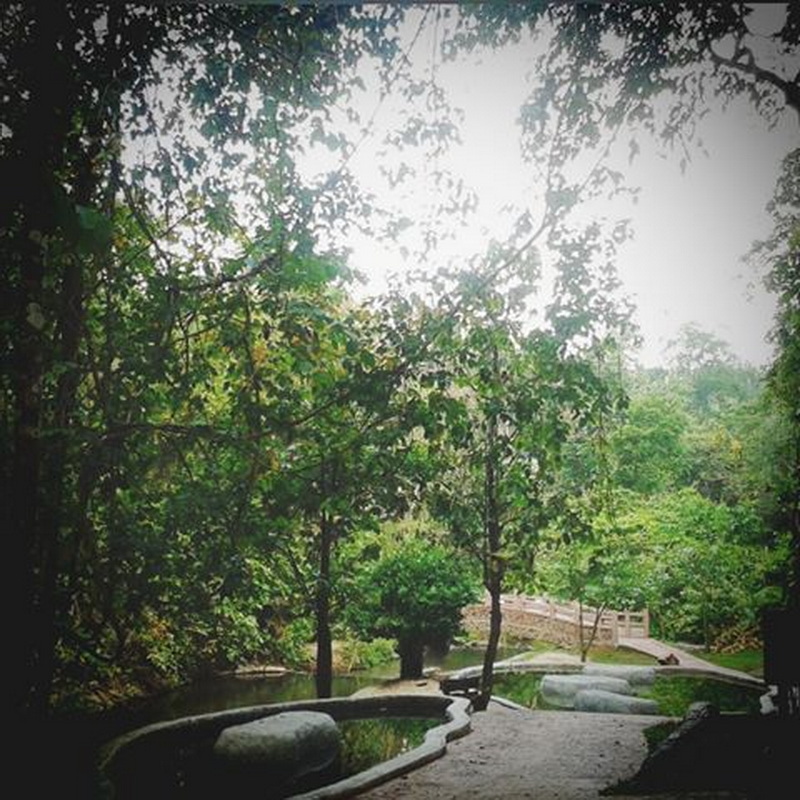
The name Pong Nam Ron Tha Pai refers to the hot-water area associated with Tha Pai Hot Spring. Visitors generally come for the natural setting, the opportunity to observe warm water features, and the walking experience through the surrounding woodland. The atmosphere can change during the day, with cooler periods often making outdoor walking more comfortable and midday conditions feeling warmer.

Travel photograph selected for Pong Nam Ron Thapai destination guide, Pong Nam Ron Thapai main article view 2 2

A visit is best approached as a nature stop rather than a guaranteed spa experience. Some areas may be suitable for bathing or soaking when facilities and local rules permit, but not every pool or water feature should be entered. Water temperatures can vary, and hot spring water may be unsafe for direct contact in certain locations. Follow posted instructions, stay within designated areas, and ask staff locally if bathing conditions are unclear.

The landscape deserves attention beyond the water itself. Walk slowly, notice changes in vegetation, and leave natural features undisturbed. Avoid touching mineral deposits, stepping into restricted areas, or treating the site as a place for loud group activity. Visitors should also bring waste out when bins are unavailable and use established paths. These simple habits help protect the setting and make the experience more considerate for other travelers and local caretakers.

A useful Tha Pai Hot Spring visitor guide

A well-prepared Tha Pai Hot Spring Travel Guide begins with the season and the purpose of the visit. During cooler months, warm water and forest air can create a comfortable contrast, while the hot season may call for an earlier or later visit. Rain can affect walking surfaces and road travel, so lightweight rain protection and footwear with reliable grip are helpful. Conditions are more important than following a rigid sightseeing formula.

Dress for both walking and local expectations. Lightweight clothing is practical, but visitors planning to bathe should bring a change of clothes and a towel if those items are not supplied locally. Swimwear should be used only where bathing is officially permitted. A small day bag is easier to manage on paths than bulky luggage, and valuables should not be left unattended near water or in vehicles.

Travel photograph selected for Pong Nam Ron Thapai destination guide, Pong Nam Ron Thapai main article view 3 2

Families and older travelers may want to ask about walking distances, slopes, surfaces, and available resting places before entering. Heat can affect people differently, particularly after a long drive. Take breaks, drink water, and avoid remaining in warm water for too long. Anyone with a medical condition affected by heat should seek professional advice before bathing. These precautions are ordinary but important because the attraction combines outdoor walking with naturally warm water.

For a Mae Hong Son Thailand Visitor Guide, the wider lesson is to leave room for local variation. Opening arrangements, admission procedures, maintenance, and access to particular pools can change. A current local check is more reliable than an old travel post. If joining a tour, listen to the guide’s instructions about meeting points and departure times; if traveling independently, save the return plan before entering an area where phone reception may be inconsistent.

Choosing a sightseeing tour that fits the stop

Sightseeing tours from Chiang Mai can be useful for travelers who want regional context along with transport. The most suitable option is not necessarily the one with the longest list of stops. Consider whether the pace allows a genuine visit to Pong Nam Ron Thapai, whether the guide explains practical rules clearly, and whether the route balances driving with time outdoors. A smaller itinerary may feel more comfortable than a rushed circuit, especially on a winding mountain road.

Some travelers use the hot spring as one element of a Pai-focused excursion, while others include it during a longer Mae Hong Son loop. If the main interest is nature, ask for enough time to walk rather than only stopping for photographs. If the priority is regional sightseeing, check how the spring connects with nearby landmarks and whether the itinerary allows meals or rest breaks without compressing the final return journey.

Travel photograph selected for Pong Nam Ron Thapai destination guide, Pong Nam Ron Thapai main article view 4 2

Independent travelers can use the same questions when building their own day. Start with the attraction that has the most specific access needs, then place more flexible stops around it. This approach helps avoid arriving late, discovering that the preferred activity is unavailable, or spending the whole day inside a vehicle. Whether the trip is guided or self-arranged, respectful pacing is especially valuable in Mae Hong Son Province, where roads and rural landscapes are part of the travel experience.

Practical etiquette for the natural setting

Visitors to Tha Pai Hot Spring Thailand should remember that a protected or managed natural attraction is also a place maintained for local communities and other guests. Keep voices moderate, do not leave food scraps, and avoid interfering with signs, barriers, or maintenance work. Photography is generally part of sightseeing, but people should not be included in close images without permission, particularly around changing or bathing areas.

Respect for the site also means accepting limits. A hot spring is not an invitation to test every pool, collect stones, or create makeshift bathing areas. Follow current instructions even if older online accounts describe different access. If a section is closed, muddy, unusually hot, or difficult to reach, it is better to observe from a safe distance. Responsible travel protects both visitors and the physical character of the attraction.

Before leaving, check that personal belongings and rubbish are accounted for. A short visit can have a light footprint when travelers use established paths, conserve water, and support legitimate local services without expecting special treatment. This approach allows Pong Nam Ron Tha Pai to remain a quiet and meaningful stop within a wider journey through the hills of northern Thailand.

Nearby Attractions

Tha Pai Memorial Bridge

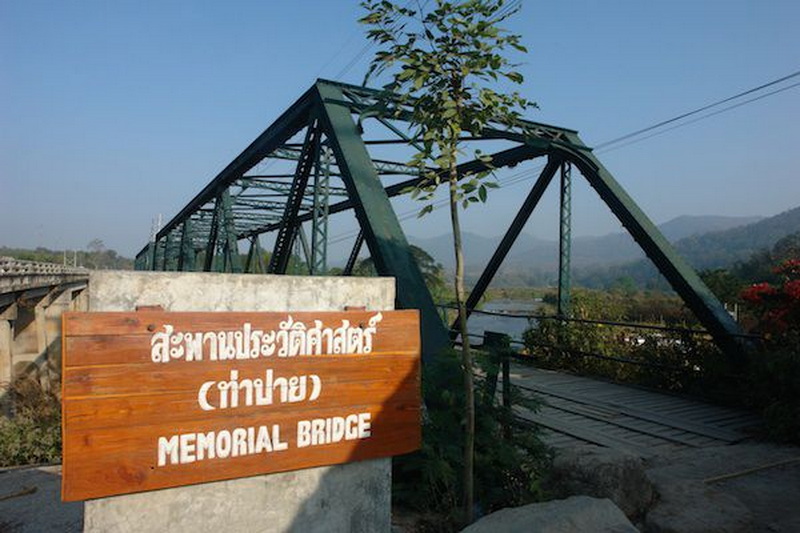
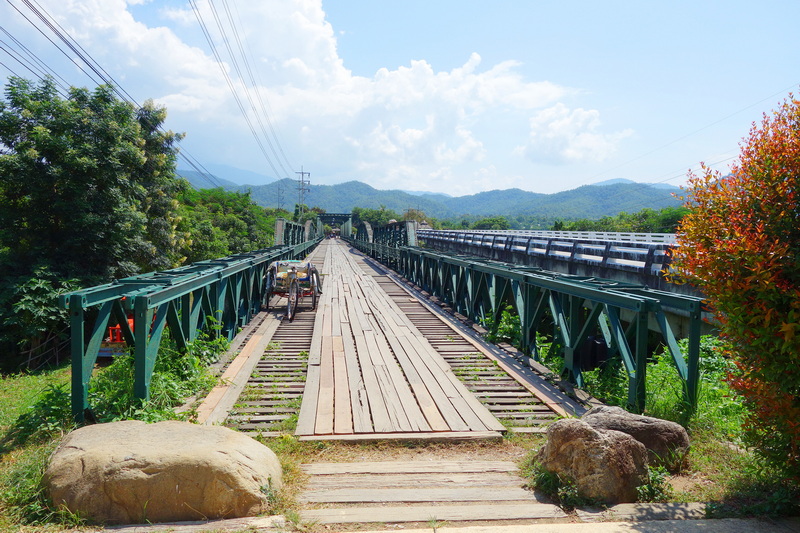
Travel photograph selected for Tha Pai Memorial Bridge destination guide.

Tha Pai Memorial Bridge provides historical and visual context for a Pai-area itinerary. Its structure and setting make it a natural companion stop after the hot spring, especially for travelers interested in seeing how the local landscape has been shaped by movement and memory. Allow time to look around rather than treating it only as a roadside photograph, and follow any access or safety guidance at the site.

The bridge can also help divide a day of sightseeing into manageable sections. After a warm walk at the spring, a brief visit here offers a different kind of experience before continuing toward other parts of Pai. Tour participants should confirm the meeting point and time, while independent travelers should park only where permitted and remain aware of passing traffic.

Pai Canyon

Travel photograph selected for Pai Canyon destination guide.

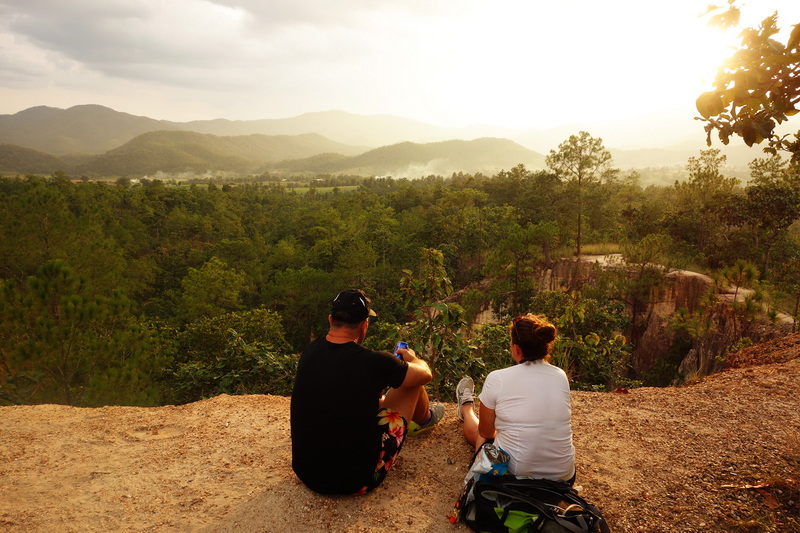
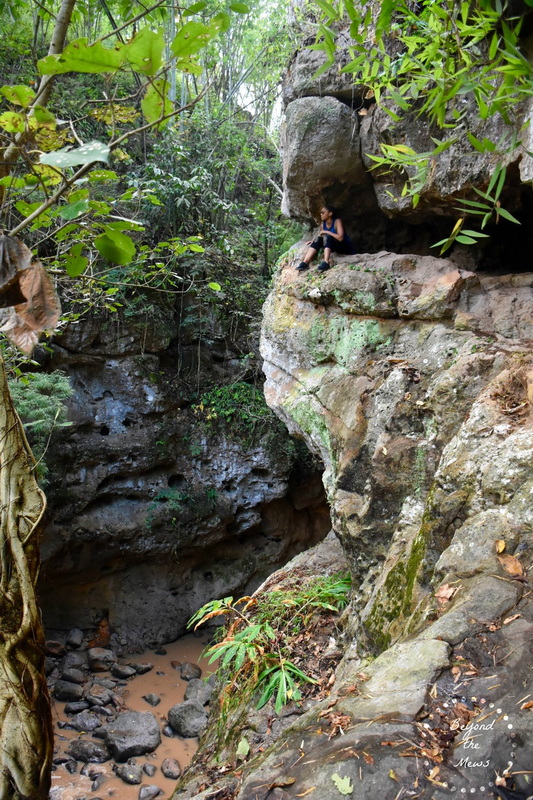
Pai Canyon adds a contrasting landscape to the itinerary, with elevated paths and open views rather than the forested warmth of Tha Pai Hot Spring. Some sections involve uneven ground, narrow ridges, or exposed surfaces, so visitors should wear secure footwear and avoid walking beyond their comfort level. Weather and light can change the character of the paths, making careful movement more important than reaching every viewpoint.

Combining Pai Canyon with Pong Nam Ron Thapai works best when the schedule allows time for both a warm natural attraction and a more open walking environment. The canyon is not simply another quick stop: its terrain deserves attention to footing, sun exposure, and other visitors sharing the paths. A guide can help with route timing, while independent travelers should plan their return before daylight fades.

A Last Look at the Journey

Pong Nam Ron Thapai is easiest to appreciate when treated as one carefully paced stop within a Mae Hong Son journey. Plan the road from Chiang Mai realistically, confirm current access information, and choose a tour or transport arrangement that leaves room for safe exploration. At the spring, follow local guidance and protect the natural setting. Pairing the visit with Tha Pai Memorial Bridge and Pai Canyon creates a varied day without requiring an overpacked schedule. With practical preparation and respectful behavior, travelers can enjoy the landscape while remaining attentive to its limits.

A Day with the Lahu Hilltribe in Northern Thailand

A Day with the Lahu Hilltribe in Northern Thailand

Follow household work, seasonal responsibilities, food, learning, and evening decisions in a Lahu village

Travel photograph selected for Lahu Hilltribe destination guide.

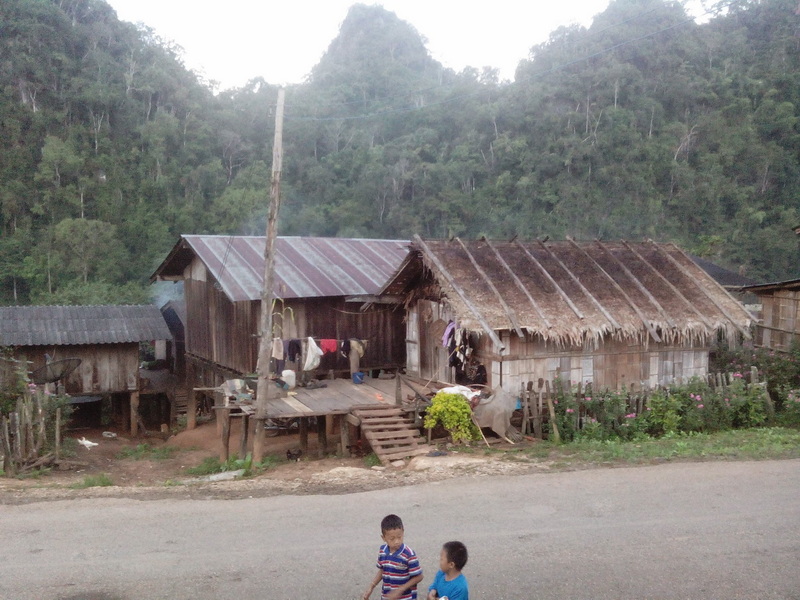
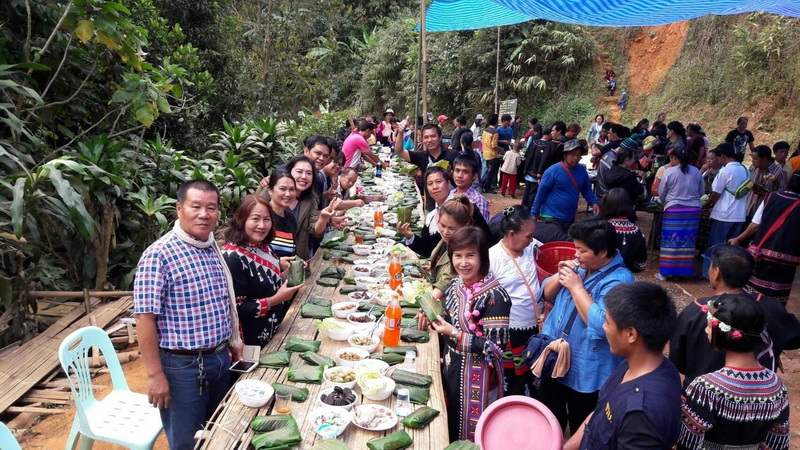
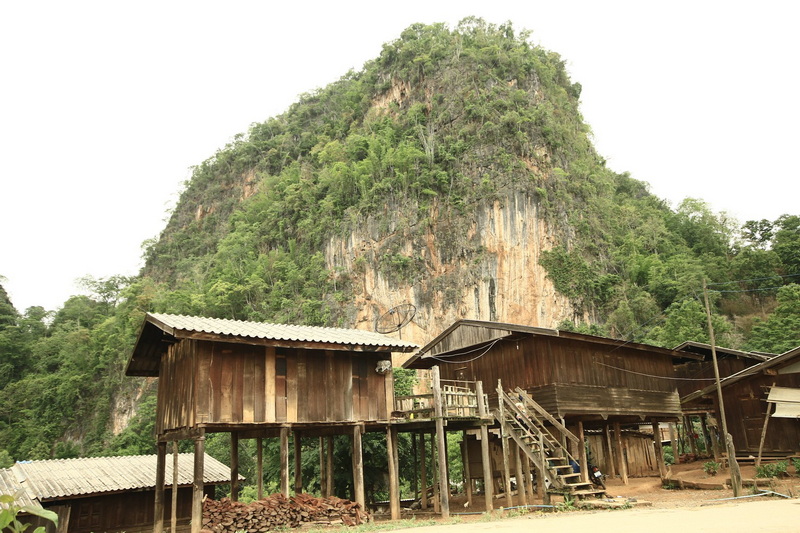
Before visitors begin looking for a viewpoint or a photograph, a village day has usually already started. A fire may be lit for breakfast, water may be carried, animals may need attention, and younger family members may be preparing for school or helping with household tasks. In a Lahu community, the shape of the morning depends on the season, the work available, the age of each person, and the needs of the household. There is no single timetable that represents every Lahu Hilltribe village. Families in Northern Thailand may organize their days differently, and routines can change as education, wage work, farming patterns, and migration influence household life. For travelers interested in Hill Tribe Villages Northern Thailand, following this ordinary sequence offers a more grounded way to understand community life. The focus is not on a formal display, but on how people divide work, prepare food, care for relatives, make decisions, and adjust old practices to present circumstances.

The First Tasks Begin Before the Day Feels Busy

A Lahu village morning often unfolds through small, practical actions rather than one dramatic event. Someone may sweep a yard, prepare rice, check cooking fuel, feed animals, or arrange tools for work outside the home. These tasks can be shared across generations, although the division of labor is not fixed. Children may have responsibilities suited to their age, while older relatives may contribute through cooking, supervision, craft knowledge, or advice.

The home is an important starting point for understanding the day. Food preparation, conversation, and household planning frequently happen alongside one another. A person who appears to be preparing breakfast may also be organizing work, remembering a family obligation, or deciding what must be done before midday. This overlapping of tasks makes village life difficult to reduce to a simple list of customs. Daily activity is practical, social, and shaped by immediate needs.

For an observer, the quietest details can be the most informative: who rises first, which duties are repeated, and how relatives coordinate without making every responsibility formal. These patterns vary between households, so a visitor should avoid treating one family’s morning as a universal Lahu routine.

Work Changes When the Season Changes

By later morning, attention may turn toward farming, gathering, repairs, trading, domestic work, or other forms of employment. The exact activity depends on land, weather, household resources, and local economic choices. Agricultural work can be physically demanding and may require cooperation among relatives or neighbors. Other residents may spend the day away from the village for school, paid employment, or errands, then return later.

Travel photograph selected for Lahu Hilltribe destination guide, Lahu Hilltribe main article view 2 2

Seasonal change gives the day a different character. Wet weather can alter field work and paths, while a dry period may bring different demands for crops, water, or household maintenance. Planting and harvesting can increase the need for coordinated labor. At other times, school commitments or wage work may be more important than agricultural tasks. These shifts show that continuity does not mean every old activity remains unchanged.

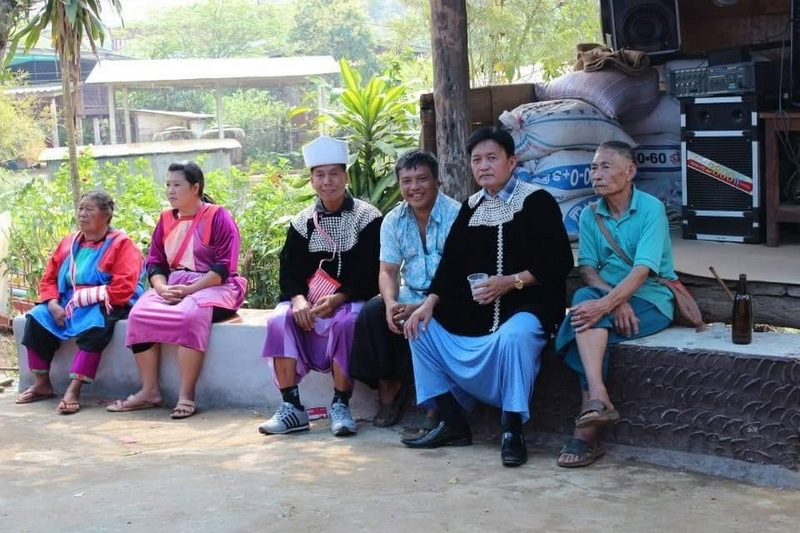
The term Muser Hill Tribe, and related forms such as Muser or Musur, may appear in travel writing or wider public usage for some Lahu communities. Terminology can vary by context and personal preference. It is best treated as a name that requires local awareness, not as a complete description of every community. The central point remains the same: families organize their work according to their own circumstances, and those circumstances are changing.

A Meal Shows How Knowledge Moves Through a Household

Food preparation often brings several kinds of knowledge together. Ingredients may be cleaned, cut, cooked, preserved, or combined according to familiar household methods. A meal can reflect what is available locally, what has been grown or purchased, and what family members prefer. The work is not only culinary. It also teaches timing, cooperation, thrift, and the practical use of ingredients.

Older relatives may explain a method to younger people, while younger family members may introduce different preferences or ways of working. This exchange is one reason food traditions should not be treated as frozen recipes. Household cooking can retain recognizable techniques while adapting to changing ingredients, school schedules, employment, and access to markets.

Visitors should remember that a kitchen is usually a working space rather than a demonstration area. If food is being prepared, standing back and allowing the household to continue is often more appropriate than requesting a lesson. If conversation develops naturally, a simple question about an ingredient or process may be welcome, but the answer should not be assumed.

Travel photograph selected for Lahu Hilltribe destination guide, Lahu Hilltribe main article view 3 2

Afternoons Reveal the Choices Facing Younger Generations

The afternoon may separate village residents into several directions. Some children and teenagers focus on education, while adults continue with farm work, household duties, or paid employment. Young people may spend part of their lives outside the village and return for family events, seasonal work, or holidays. Migration can affect who is available to care for older relatives, maintain a home, or continue particular skills.

These changes do not automatically mean that cultural knowledge disappears. It may be shared through family conversations, ceremonies, language, food, clothing, music, or work learned during time at home. At the same time, not every younger person will choose the same responsibilities as their parents. Education and employment can broaden opportunities, and families may actively negotiate how much time is given to customary activities.

A careful account of Lahu village life therefore includes both inheritance and adaptation. The presence of modern schooling, mobile communication, or outside employment does not erase community identity. It demonstrates that households are making decisions within present-day conditions rather than living outside change.

Evening Brings Shared Time and Practical Decisions

As work slows, relatives may gather for food, conversation, repairs, or routine household care. Evening is often a time when the day’s events can be discussed and the next day considered. Decisions may concern work, family obligations, celebrations, schooling, or the use of shared resources. The way such decisions are made differs among families and communities, but cooperation remains visible in many ordinary exchanges.

Community matters may also require discussion beyond one household. People can have different responsibilities, experiences, and views, so agreement may take time. A visitor is unlikely to understand these processes from a brief observation, and should not assume that one conversation represents village leadership or social organization as a whole.

Travel photograph selected for Lahu Hilltribe destination guide, Lahu Hilltribe main article view 4 2

This part of the day helps explain why village life is more than a collection of visible objects or distinctive clothing. Relationships are maintained through repeated acts: sharing information, assisting relatives, remembering obligations, and deciding how to respond to new circumstances. These actions may look unremarkable, yet they provide much of the structure of community life.

How to Fit a Visit Around Village Work

Visitors can make a cultural visit less disruptive by paying attention to the rhythm already underway. A person working in a kitchen, carrying supplies, caring for a child, or preparing to leave for the day may not be available for conversation. Waiting, following a local guide’s advice, or accepting a brief exchange is more considerate than interrupting an important task.

Homes and household spaces deserve particular care. Do not enter simply because a doorway is open, and ask before photographing people, possessions, food preparation, or private activities. Children should not be treated as attractions or approached for pictures without an appropriate adult’s agreement. If an activity appears private, the suitable response is to give it space rather than ask for access.

Travelers comparing Hill Tribe Villages Northern Thailand may encounter Lahu communities through a Chiang Mai Tour Package or another form of planning. The label of a tour does not determine what a household wishes to share. A good visit leaves room for residents to continue their day, and the most useful questions are specific, calm, and responsive to the situation in front of you.

A Last Look at the Journey

A day in a Lahu village can be understood through its sequence of responsibilities: early household work, seasonal labor, food preparation, education, employment, family care, and evening decisions. The order and details differ between villages and households, but the pattern reveals a community adjusting to present needs while carrying knowledge forward. For visitors, attention to these ordinary hours is more useful than searching for a single image of Lahu life. It encourages observation without assumption and makes space for differences between families. The Lahu Hilltribe story is found not only in ceremonies or visible traditions, but also in how people organize time, support one another, and decide what should continue or change.

Monday, October 26, 2026

A Visitor Guide to Kam Ko Temple in Mae Hong Son

A Visitor Guide to Kam Ko Temple in Mae Hong Son

A respectful introduction to Wat Kam Ko, local sightseeing context, and nearby landmarks in Mueang Mae Hong Son

Travel photograph selected for Kam Ko Temple destination guide.

Kam Ko Temple, also known as Wat Kam Ko, is a cultural and religious site in Mueang Mae Hong Son District. It offers visitors a quieter way to encounter the architectural traditions and devotional life of Mae Hong Son without treating a temple as merely a photographic stop. For a first-time visitor, the value of the site lies in its setting, atmosphere, and relationship to the wider group of temples around the town. This guide approaches the temple as one part of a considered visit to Mae Hong Son Thailand. Travelers comparing routes, independent travel, and organized sightseeing may see phrases such as Mae Hong Son Thailand Visitor Guide or Mae Hong Son Sightseeing Tour From Chiang Mai in search results. These terms describe different planning intentions rather than fixed products. Understanding that distinction can make it easier to choose a suitable way to reach the town and allow enough time for respectful exploration. Wat Kam Ko can be included in a temple-focused visit alongside Wat Chong Kham and Wat Chong Klang and Wat Phra That Doi Kong Mu. The following overview explains what to notice, how tour language can be interpreted, and why these nearby landmarks help provide a fuller sense of Mae Hong Son’s urban and cultural landscape.

Meeting Wat Kam Ko in Mueang Mae Hong Son

Wat Kam Ko is located in the Mueang Mae Hong Son area, where temples, homes, roads, and mountain scenery meet within a compact provincial setting. The town is associated with Tai Yai, also called Shan, cultural influences, and the temple provides an opportunity to observe this regional character through a religious setting. Visitors should approach the grounds as an active sacred place, not as a preserved display arranged solely for tourism.

Travel photograph selected for Mae Hong Son destination guide.

The name appears in several forms, including Wat Kamko, Kamko Temple, and Wat Kam Ko Mae Hong Son. These variations can be useful when searching for maps, local references, or travel writing, although spelling may differ between sources. The site’s importance for a visitor is less about collecting alternate names and more about recognizing it as part of Mae Hong Son’s living temple landscape.

A calm first visit begins with simple observation. Notice the arrangement of the buildings, the rooflines, decorative details, and the way the temple sits within the town. Architectural impressions can be meaningful even when a traveler does not know every historical detail. It is also appropriate to pause before taking photographs, keep voices low, and follow any signs or instructions displayed on the grounds.

What a First-Time Visitor Can Notice

A visit to Wat Kam Ko is best understood as a gradual encounter rather than a checklist of objects. The temple’s appeal comes from seeing how religious architecture is shaped by local materials, regional traditions, and the practical life of a community. Look at the relationship between open areas and enclosed halls, the details around entrances, and the visual balance created by roof forms and ornamentation.

The atmosphere may change during the day as residents, worshippers, and visitors use the surrounding space. That everyday quality is part of the site’s character. Travelers should avoid assuming that every area is open for entry or that every building has the same purpose. If a doorway, altar, or activity appears private or ceremonial, remaining outside and observing quietly is the more respectful choice.

Dress that covers shoulders and knees is a considerate choice, particularly when entering a worship space. Shoes may need to be removed in some buildings, so visitors can prepare for that possibility. Photography should never interrupt prayer, offerings, maintenance work, or other religious activity. These small decisions help ensure that sightseeing remains compatible with the temple’s primary purpose.

Travel photograph selected for Kam Ko Temple destination guide, Kam Ko Temple main article view 2 2

Understanding Sightseeing Tours From Chiang Mai

The phrase Mae Hong Son Sightseeing Tour From Chiang Mai is a search term used by travelers looking for a convenient way to connect the two destinations. It does not, by itself, confirm a particular itinerary, transport type, duration, guide service, or set of inclusions. Tour descriptions can vary considerably, so the phrase should be treated as a starting point for comparing options rather than as a promise about what every tour provides.

Mae Hong Son is not usually approached as a quick urban stop from Chiang Mai. The journey involves a substantial overland connection through mountainous northern Thailand, and travelers should consider road time alongside the time available for visiting temples. A longer itinerary may allow a more relaxed experience, while a tightly arranged route may give only a short period at each attraction. Exact conditions depend on the chosen operator, season, and road circumstances.

When reviewing a tour description, check whether Wat Kam Ko is specifically named or whether the itinerary only refers generally to temples in Mae Hong Son. It is also sensible to confirm the meeting point, transport arrangement, time spent in town, and whether the schedule permits independent observation at sacred sites. If the temple is a personal priority, communicating that preference before departure can help avoid confusion without assuming that an operator can guarantee access.

Independent visitors can use the same search language for research even if they do not book a package. A Mae Hong Son Thailand Visitor Guide can help identify the town’s main areas, while map research can show how Wat Kam Ko relates to other central temples. The useful question is not simply which tour sounds most attractive, but whether the proposed pace supports the kind of quiet, respectful visit the traveler wants.

Building a Thoughtful Temple Visit

Wat Kam Ko works well as one element in a wider temple walk or sightseeing circuit. Rather than rushing from one landmark to another, visitors can allow time to understand differences in setting and design. One temple may feel closely connected to the town’s daily rhythm, while another may be associated with a hilltop viewpoint or a more prominent skyline. This contrast gives structure to a visit without requiring exaggerated claims about any single site.

Travel photograph selected for Kam Ko Temple destination guide, Kam Ko Temple main article view 3 2

Morning and late afternoon often provide gentler light for exterior observation, but travelers should not interpret this as a guaranteed opening schedule or a recommendation to enter at a particular time. Temple activity can follow religious and community needs. Before traveling, verify current local guidance through reliable sources, and remain flexible if a building is closed or an event is taking place.

A useful personal plan includes water, sun protection, comfortable walking shoes, and enough time for pauses. The surrounding town may involve uneven surfaces, steps, or short uphill sections depending on the route used. Visitors with mobility concerns should assess the approach locally rather than relying on a general description. Most importantly, leave room for the unplanned moments that make a temple visit feel attentive rather than hurried.

Seeing the Temple as Part of Mae Hong Son

Wat Kam Ko becomes more meaningful when viewed in relation to Mae Hong Son’s broader cultural geography. The town’s temples are not isolated attractions; they are connected to local worship, regional history, community identity, and the visual character of the province. A visitor does not need specialist knowledge to appreciate this context, but should remain aware that the site represents more than an architectural backdrop.

This perspective also helps keep travel language in balance. Terms such as Wat Kam Ko Thailand or Wat Kam Ko Travel Guide can make the site easier to find online, yet they should not reduce the temple to a brand or a ranking. Neutral descriptions are more useful than claims that a place is the most spectacular, secret, or authentic. The experience is stronger when visitors allow the setting to speak through its details and atmosphere.

For international travelers, a little preparation can prevent awkwardness. Learn whether photography is permitted in the areas you wish to capture, observe local behavior, and ask politely before photographing people. Avoid touching religious objects or climbing structures for a better view. These practices are simple, but they show that sightseeing can support respect for a living community.

Nearby Attractions

Wat Chong Kham and Wat Chong Klang

Travel photograph selected for Wat Chong Kham and Wat Chong Klang destination guide.

Wat Chong Kham and Wat Chong Klang are two prominent temples in Mae Hong Son town, located near the central lake area and commonly experienced together. Their setting gives visitors a different impression from a smaller or less central temple, with open views across the water and a strong presence within the town’s cultural landscape. The pair is associated with Tai Yai religious and architectural traditions, making them useful points of comparison when considering Wat Kam Ko.

A visit here should still be guided by the same respectful habits: dress appropriately, keep noise low, and follow any restrictions around worship spaces. The temples can help a traveler understand how religious buildings function as recognizable community landmarks as well as places of devotion. Including them after Wat Kam Ko creates a connected town experience rather than a series of unrelated stops.

Wat Phra That Doi Kong Mu

Travel photograph selected for Wat Phra That Doi Kong Mu destination guide.

Wat Phra That Doi Kong Mu stands on Doi Kong Mu above Mae Hong Son and is one of the town’s best-known religious landmarks. Its elevated position provides broad views over the surrounding town and mountain landscape, while the temple itself is an important destination for worship and cultural sightseeing. The hilltop setting makes it visually distinct from Wat Kam Ko and the temples located closer to the town center.

The climb or approach should be considered as part of the visit, especially for travelers managing heat, mobility, or limited time. Once there, the viewpoint can help place Mae Hong Son’s compact urban area in geographical context. Visitors should focus on the religious site as well as the scenery, observing temple etiquette and avoiding behavior that turns a sacred place into only a lookout.

A Last Look at the Journey

Kam Ko Temple offers a measured introduction to Mae Hong Son’s temple landscape, especially for travelers who value context over a hurried list of stops. Use tour phrases as research tools, confirm practical details before departure, and leave enough time to observe the site respectfully. When combined with Wat Chong Kham and Wat Chong Klang and Wat Phra That Doi Kong Mu, the visit gains a broader sense of place. The result is not simply a photograph or a completed itinerary, but a more informed understanding of how religious sites contribute to the character of Mueang Mae Hong Son.

Tha Pai Memorial Bridge Sightseeing Guide for Thoughtful Visitors

Tha Pai Memorial Bridge Sightseeing Guide for Thoughtful Visitors

A respectful look at Pai’s wartime landmark, nearby nature, and useful ways to shape a Mae Hong Son day of sightseeing

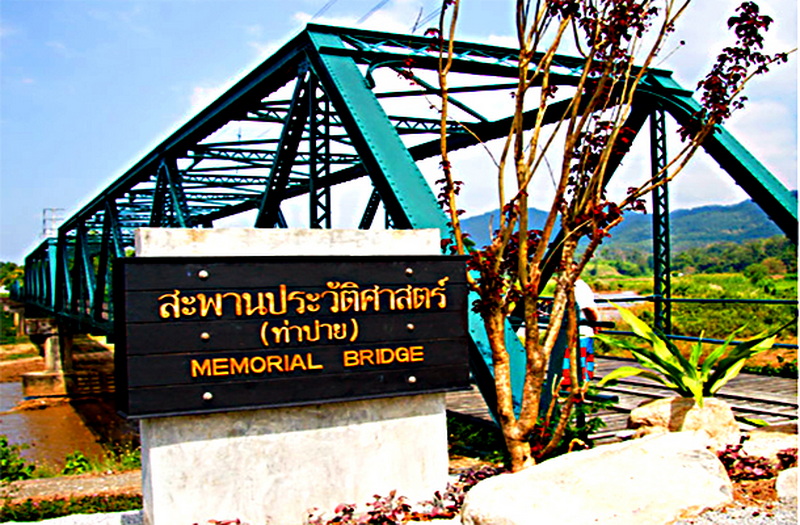
Travel photograph selected for Tha Pai Memorial Bridge destination guide.

In the green valley of Pai District, Mae Hong Son, the Tha Pai Memorial Bridge offers a compact but meaningful stop between natural landscapes and wider regional sightseeing. The bridge is commonly visited as the Pai Memorial Bridge, yet its importance is more than photographic. It is associated with the Second World War and the difficult history of wartime movement through northern Thailand, making it a place where observation should be balanced with respect. For a first-time visitor, the bridge works best as one part of a broader route rather than as an isolated attraction. Its setting encourages a slower look at the river, surrounding hills, and the structure itself, while nearby natural sites provide a contrasting experience of hot springs and waterfalls. This Mae Hong Son Thailand Visitor Guide focuses on what visitors can notice, how to understand the memorial character of the site, and how to connect it with nearby sightseeing without turning history into a backdrop. The information is especially useful for travelers considering a Mae Hong Son Sightseeing Tour From Chiang Mai, as well as those exploring Pai independently. Rather than emphasizing fixed schedules or commercial arrangements, the guide concentrates on atmosphere, context, responsible behavior, and the practical shape of a thoughtful sightseeing visit.

Recognizing the Bridge and Its Historical Character

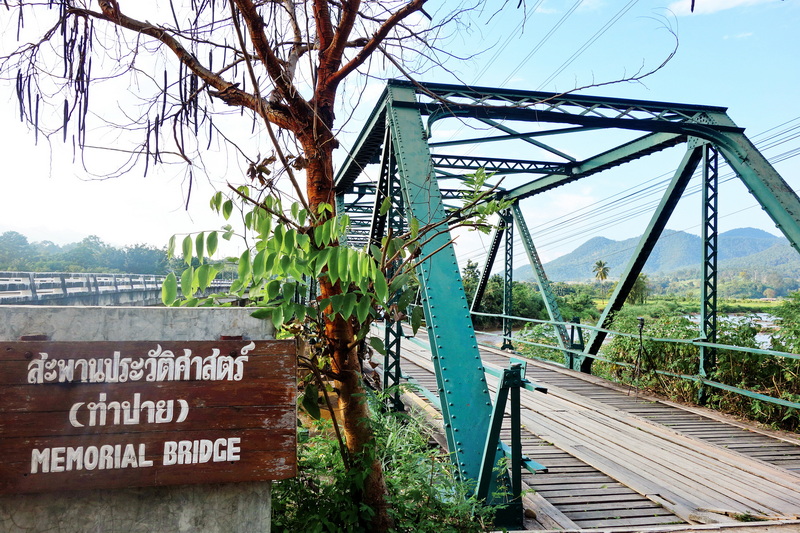
The Tha Pai World War II Memorial Bridge is a historic crossing in Pai District, Mae Hong Son Province. Visitors may also encounter names such as Pai Historical Bridge, World War II Memorial Bridge Pai, and Tha Pai World War II Bridge. These names point to the same broad heritage setting, but the most important feature is the bridge’s connection with wartime history. It should be approached as a memorial landscape, not simply as a decorative viewpoint.

The present structure and the bridge’s wartime story are often discussed together, although visitors should avoid assuming that every visible element dates from the same period. Local heritage sites can be repaired, replaced, or maintained over time. A careful visit therefore focuses on the documented association with the Second World War and on the continuing local value of the crossing, rather than on unsupported claims about individual construction details.

The river and wooded surroundings give the site a quiet character that can make the historical meaning easy to overlook. Taking a few minutes to read available interpretation, observe the structure, and consider the people and communities affected by wartime infrastructure helps restore that context. Photography is possible, but a respectful image should not turn the memorial into a novelty or a stage for disruptive behavior.

How to Read the Site as a Visitor

A useful way to experience the bridge is to divide the visit into three simple stages: orientation, observation, and reflection. Begin by identifying the crossing within the Pai landscape and noticing how the road, river, and hills frame it. Next, look closely at the bridge’s materials, lines, and relationship with the water. Finally, step back from the camera and consider why this location remains part of local memory.

This approach suits travelers who want more than a quick stop for a photograph. The bridge does not need dramatic interpretation to be worthwhile. Its value lies in the meeting of a physical structure and a historical story. Even a short visit can help explain how Pai fits within the wider Mae Hong Son region, where mountain routes, rivers, settlements, and borderland connections have shaped movement for generations.

Travel photograph selected for Tha Pai Memorial Bridge destination guide, Tha Pai Memorial Bridge main article view 2 2

Responsible behavior is central to the experience. Keep voices moderate, avoid climbing on restricted or fragile parts of the structure, and do not treat memorial references casually. If local signs request particular conduct, follow them. Visitors should also leave the surrounding area clean and avoid blocking other people who are trying to view or cross the bridge. These small choices protect both the site and the dignity of its history.

Placing Pai Memorial Bridge within Mae Hong Son

Pai Memorial Bridge is one of the sights that helps connect Pai with the broader identity of Mae Hong Son Province. The region is known for mountain scenery, distinctive valleys, cultural diversity, and routes that reward unhurried travel. A bridge may appear modest beside larger natural attractions, but it provides a human-scale point of reference: people built, used, maintained, and remembered crossings because landscapes had to be navigated in practical ways.

Travel photograph selected for Mae Hong Son destination guide.

For travelers reading a Mae Hong Son Thailand Visitor Guide, the bridge is a reminder that sightseeing is not limited to temples, viewpoints, or dramatic scenery. Historical infrastructure can also explain a destination. The setting invites visitors to compare the visible environment with the stories attached to it, while remaining aware that local history may contain experiences that cannot be reduced to a single tourist narrative.

Those considering a Mae Hong Son Sightseeing Tour From Chiang Mai may find the bridge most rewarding when it is included within a balanced day or multi-stop journey. The exact shape of any route depends on conditions and arrangements, so it is wiser to treat the bridge as a meaningful regional stop than to expect a standardized experience. Combining heritage observation with time in nature creates a fuller sense of Pai’s character.

Making the Visit Comfortable and Meaningful

Visitors should allow enough unhurried time to see the bridge from more than one angle without treating the area as a performance space. Conditions can change with weather, daylight, and seasonal landscape, so comfortable footwear, sun protection, drinking water, and attention to the walking surface are sensible general preparations. These are simple visitor considerations rather than guarantees about conditions at any particular moment.

The best time to pause for interpretation is when the site is relatively calm. If other visitors are taking photographs or crossing, share the viewing space and avoid standing in the center for an extended period. A quiet approach also makes it easier to notice details that a hurried stop may miss, including the contrast between the bridge’s engineered form and the surrounding vegetation.

Travel photograph selected for Tha Pai Memorial Bridge destination guide, Tha Pai Memorial Bridge main article view 3 2

A heritage visit should leave room for questions. Travelers can consult locally provided information, museums, or reputable regional sources when they want more historical depth. It is better to acknowledge uncertainty than to repeat dramatic stories without evidence. This is particularly important at war-related sites, where simplified explanations can obscure the experiences of local residents and the broader human cost of conflict.

Connecting Heritage with the Pai Landscape

The bridge becomes more intelligible when viewed as part of a living landscape rather than as an isolated monument. After considering its history, visitors can turn their attention to the river environment, nearby vegetation, and the mountain setting that gives Pai its distinctive atmosphere. This transition from memory to nature does not diminish the memorial; instead, it shows why crossings and routes mattered in the first place.

Two nearby experiences offer different ways to continue sightseeing. Tha Pai Hot Spring brings attention to geothermal water, forest surroundings, and the restorative side of the Pai landscape. Pam Bok Waterfall offers a contrasting natural setting shaped by flowing water and rock. Each place should be visited with care for local rules, natural surfaces, and other visitors, since outdoor attractions are vulnerable to litter, crowding, and careless access.

Together, the bridge and its natural neighbors create a useful pattern for a day of exploration: begin with a historical landmark, listen to what the landscape suggests, and then experience the area’s natural character without rushing from one photo stop to another. This combination is particularly suitable for travelers who want sightseeing to include both cultural awareness and direct contact with northern Thailand’s environment.

Nearby Attractions

Tha Pai Hot Spring

Travel photograph selected for Tha Pai Hot Spring destination guide.

Tha Pai Hot Spring is a natural attraction near the bridge and provides a clear contrast with the memorial’s historical focus. The site is associated with warm geothermal waters and a forested setting, giving visitors an opportunity to observe how heat, water, and vegetation shape the local environment. The experience is best approached as nature sightseeing, with attention to posted guidance and the condition of paths or bathing areas.

Including the hot spring after a visit to the bridge can create a thoughtful change of pace. The quiet observation required at a war memorial gives way to an outdoor landscape experience, while both places encourage visitors to notice the relationship between people and the terrain. Avoid assuming that every area is suitable for entering the water, and follow local instructions to protect both visitors and the natural site.

Pam Bok Waterfall

Travel photograph selected for Pam Bok Waterfall destination guide.

Pam Bok Waterfall offers another nearby nature-focused stop, with water moving through a narrow rocky landscape surrounded by greenery. Its appeal comes from the setting as much as from the waterfall itself. Visitors can use the stop to appreciate the rugged character of the Pai area and to experience a different scale of landscape from the broad views around the bridge.

Conditions around waterfalls can vary, especially after rain, so careful footing and respect for barriers or local directions are important. Keep the area free of litter and avoid damaging plants or rocks for photographs. Paired with the Tha Pai World War II Memorial Bridge, Pam Bok Waterfall helps show how a sightseeing itinerary in Pai can include both remembrance and appreciation of the natural world.

A Last Look at the Journey

The Tha Pai Memorial Bridge rewards visitors who look beyond its appearance as a historic crossing. Its wartime association calls for a respectful pause, while its setting opens the way to a wider understanding of Pai District and Mae Hong Son. Add Tha Pai Hot Spring and Pam Bok Waterfall for contrasting encounters with the surrounding landscape, but keep the pace attentive rather than hurried. Whether approached independently or as part of a Mae Hong Son sightseeing route from Chiang Mai, the bridge is most meaningful when history, nature, and responsible visitor behavior remain connected.