Tha Pai Memorial Bridge Sightseeing Guide for Thoughtful Visitors
A respectful look at Pai’s wartime landmark, nearby nature, and useful ways to shape a Mae Hong Son day of sightseeing
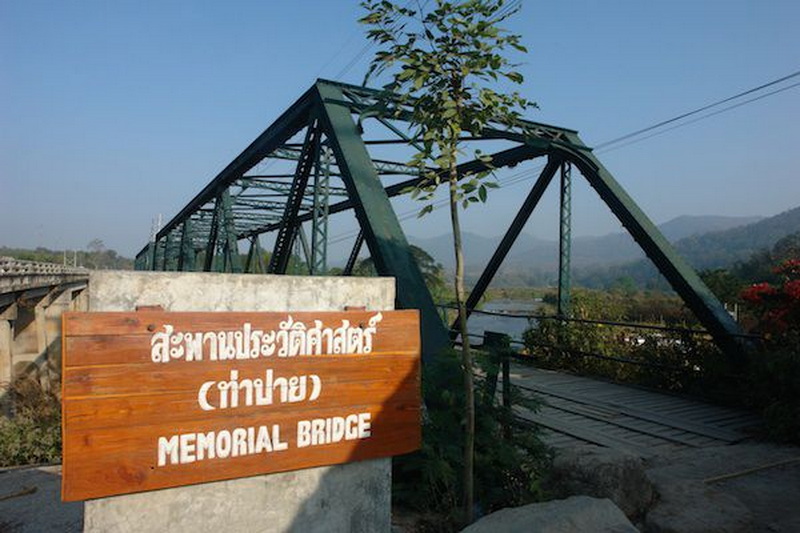
In the green valley of Pai District, Mae Hong Son, the Tha Pai Memorial Bridge offers a compact but meaningful stop between natural landscapes and wider regional sightseeing. The bridge is commonly visited as the Pai Memorial Bridge, yet its importance is more than photographic. It is associated with the Second World War and the difficult history of wartime movement through northern Thailand, making it a place where observation should be balanced with respect. For a first-time visitor, the bridge works best as one part of a broader route rather than as an isolated attraction. Its setting encourages a slower look at the river, surrounding hills, and the structure itself, while nearby natural sites provide a contrasting experience of hot springs and waterfalls. This Mae Hong Son Thailand Visitor Guide focuses on what visitors can notice, how to understand the memorial character of the site, and how to connect it with nearby sightseeing without turning history into a backdrop. The information is especially useful for travelers considering a Mae Hong Son Sightseeing Tour From Chiang Mai, as well as those exploring Pai independently. Rather than emphasizing fixed schedules or commercial arrangements, the guide concentrates on atmosphere, context, responsible behavior, and the practical shape of a thoughtful sightseeing visit.
Recognizing the Bridge and Its Historical Character
The Tha Pai World War II Memorial Bridge is a historic crossing in Pai District, Mae Hong Son Province. Visitors may also encounter names such as Pai Historical Bridge, World War II Memorial Bridge Pai, and Tha Pai World War II Bridge. These names point to the same broad heritage setting, but the most important feature is the bridge’s connection with wartime history. It should be approached as a memorial landscape, not simply as a decorative viewpoint.
The present structure and the bridge’s wartime story are often discussed together, although visitors should avoid assuming that every visible element dates from the same period. Local heritage sites can be repaired, replaced, or maintained over time. A careful visit therefore focuses on the documented association with the Second World War and on the continuing local value of the crossing, rather than on unsupported claims about individual construction details.
The river and wooded surroundings give the site a quiet character that can make the historical meaning easy to overlook. Taking a few minutes to read available interpretation, observe the structure, and consider the people and communities affected by wartime infrastructure helps restore that context. Photography is possible, but a respectful image should not turn the memorial into a novelty or a stage for disruptive behavior.
How to Read the Site as a Visitor
A useful way to experience the bridge is to divide the visit into three simple stages: orientation, observation, and reflection. Begin by identifying the crossing within the Pai landscape and noticing how the road, river, and hills frame it. Next, look closely at the bridge’s materials, lines, and relationship with the water. Finally, step back from the camera and consider why this location remains part of local memory.
This approach suits travelers who want more than a quick stop for a photograph. The bridge does not need dramatic interpretation to be worthwhile. Its value lies in the meeting of a physical structure and a historical story. Even a short visit can help explain how Pai fits within the wider Mae Hong Son region, where mountain routes, rivers, settlements, and borderland connections have shaped movement for generations.
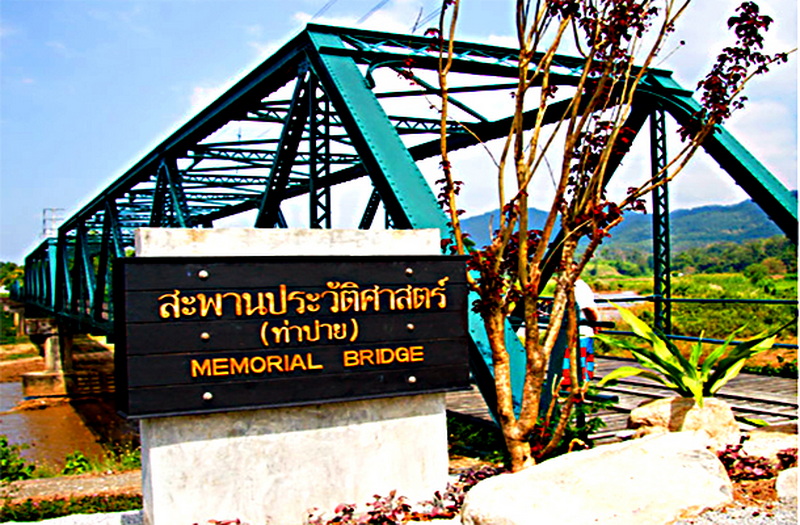
Responsible behavior is central to the experience. Keep voices moderate, avoid climbing on restricted or fragile parts of the structure, and do not treat memorial references casually. If local signs request particular conduct, follow them. Visitors should also leave the surrounding area clean and avoid blocking other people who are trying to view or cross the bridge. These small choices protect both the site and the dignity of its history.
Placing Pai Memorial Bridge within Mae Hong Son
Pai Memorial Bridge is one of the sights that helps connect Pai with the broader identity of Mae Hong Son Province. The region is known for mountain scenery, distinctive valleys, cultural diversity, and routes that reward unhurried travel. A bridge may appear modest beside larger natural attractions, but it provides a human-scale point of reference: people built, used, maintained, and remembered crossings because landscapes had to be navigated in practical ways.
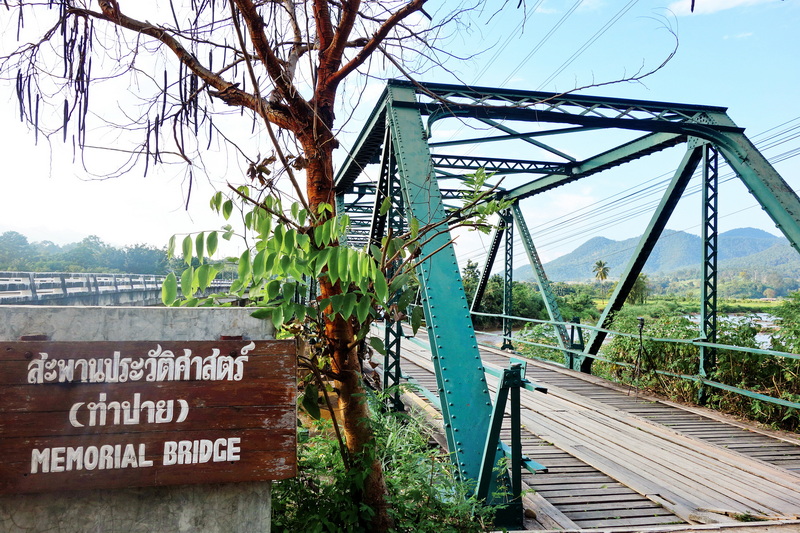
For travelers reading a Mae Hong Son Thailand Visitor Guide, the bridge is a reminder that sightseeing is not limited to temples, viewpoints, or dramatic scenery. Historical infrastructure can also explain a destination. The setting invites visitors to compare the visible environment with the stories attached to it, while remaining aware that local history may contain experiences that cannot be reduced to a single tourist narrative.
Those considering a Mae Hong Son Sightseeing Tour From Chiang Mai may find the bridge most rewarding when it is included within a balanced day or multi-stop journey. The exact shape of any route depends on conditions and arrangements, so it is wiser to treat the bridge as a meaningful regional stop than to expect a standardized experience. Combining heritage observation with time in nature creates a fuller sense of Pai’s character.
Making the Visit Comfortable and Meaningful
Visitors should allow enough unhurried time to see the bridge from more than one angle without treating the area as a performance space. Conditions can change with weather, daylight, and seasonal landscape, so comfortable footwear, sun protection, drinking water, and attention to the walking surface are sensible general preparations. These are simple visitor considerations rather than guarantees about conditions at any particular moment.
The best time to pause for interpretation is when the site is relatively calm. If other visitors are taking photographs or crossing, share the viewing space and avoid standing in the center for an extended period. A quiet approach also makes it easier to notice details that a hurried stop may miss, including the contrast between the bridge’s engineered form and the surrounding vegetation.
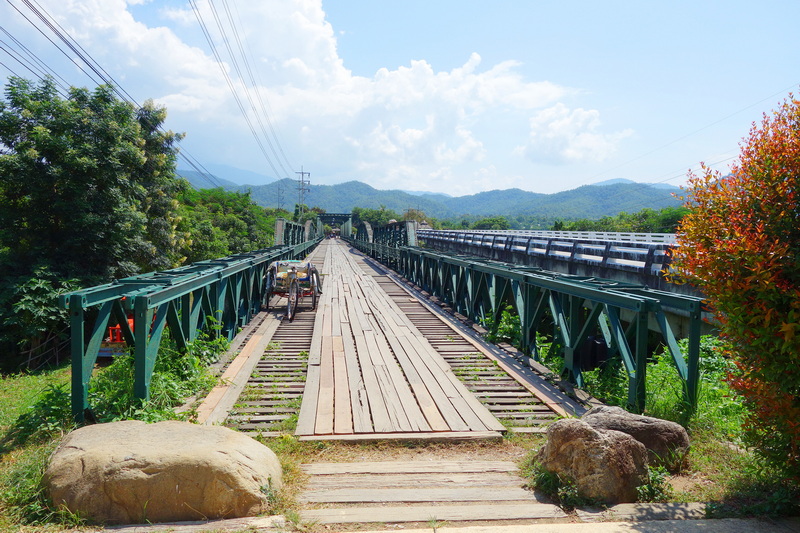
A heritage visit should leave room for questions. Travelers can consult locally provided information, museums, or reputable regional sources when they want more historical depth. It is better to acknowledge uncertainty than to repeat dramatic stories without evidence. This is particularly important at war-related sites, where simplified explanations can obscure the experiences of local residents and the broader human cost of conflict.
Connecting Heritage with the Pai Landscape
The bridge becomes more intelligible when viewed as part of a living landscape rather than as an isolated monument. After considering its history, visitors can turn their attention to the river environment, nearby vegetation, and the mountain setting that gives Pai its distinctive atmosphere. This transition from memory to nature does not diminish the memorial; instead, it shows why crossings and routes mattered in the first place.
Two nearby experiences offer different ways to continue sightseeing. Tha Pai Hot Spring brings attention to geothermal water, forest surroundings, and the restorative side of the Pai landscape. Pam Bok Waterfall offers a contrasting natural setting shaped by flowing water and rock. Each place should be visited with care for local rules, natural surfaces, and other visitors, since outdoor attractions are vulnerable to litter, crowding, and careless access.
Together, the bridge and its natural neighbors create a useful pattern for a day of exploration: begin with a historical landmark, listen to what the landscape suggests, and then experience the area’s natural character without rushing from one photo stop to another. This combination is particularly suitable for travelers who want sightseeing to include both cultural awareness and direct contact with northern Thailand’s environment.
Nearby Attractions
Tha Pai Hot Spring
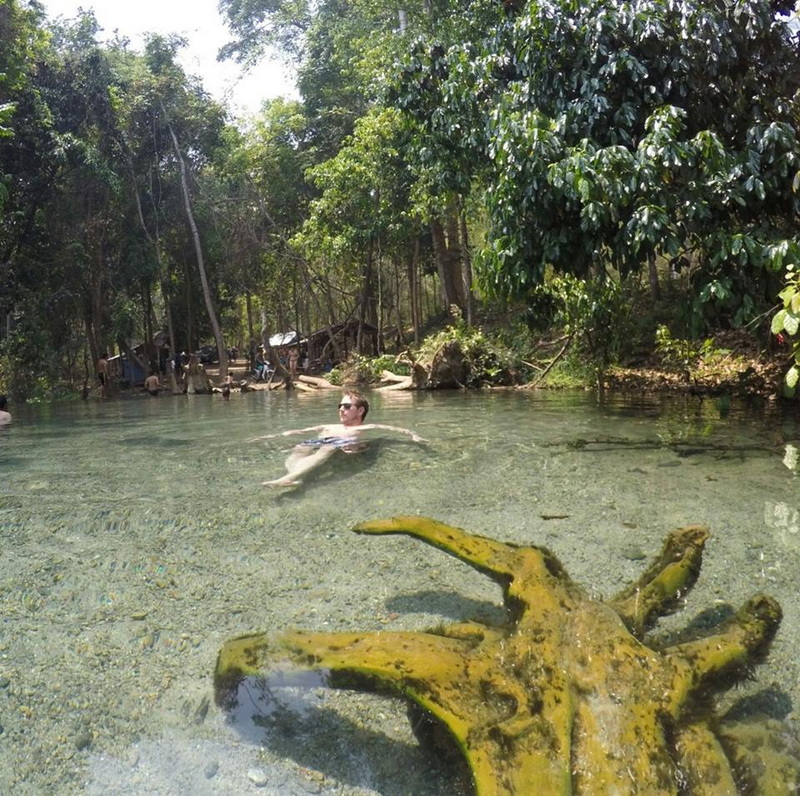
Tha Pai Hot Spring is a natural attraction near the bridge and provides a clear contrast with the memorial’s historical focus. The site is associated with warm geothermal waters and a forested setting, giving visitors an opportunity to observe how heat, water, and vegetation shape the local environment. The experience is best approached as nature sightseeing, with attention to posted guidance and the condition of paths or bathing areas.
Including the hot spring after a visit to the bridge can create a thoughtful change of pace. The quiet observation required at a war memorial gives way to an outdoor landscape experience, while both places encourage visitors to notice the relationship between people and the terrain. Avoid assuming that every area is suitable for entering the water, and follow local instructions to protect both visitors and the natural site.
Pam Bok Waterfall
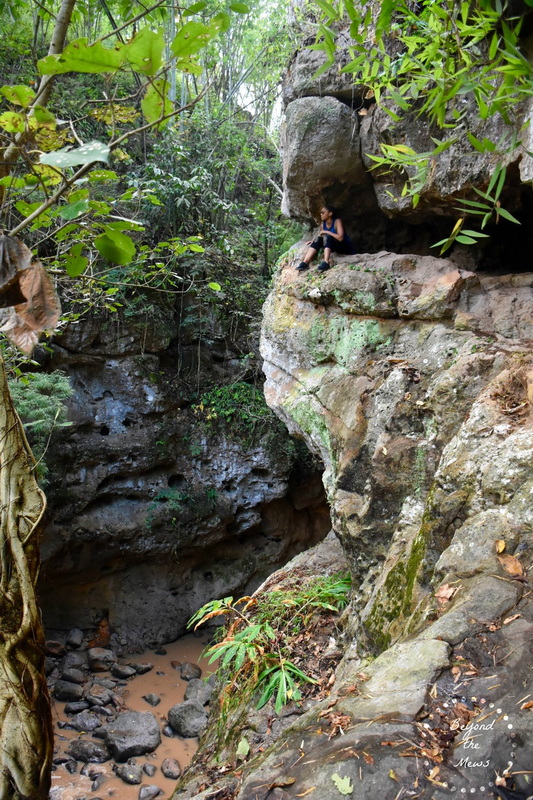
Pam Bok Waterfall offers another nearby nature-focused stop, with water moving through a narrow rocky landscape surrounded by greenery. Its appeal comes from the setting as much as from the waterfall itself. Visitors can use the stop to appreciate the rugged character of the Pai area and to experience a different scale of landscape from the broad views around the bridge.
Conditions around waterfalls can vary, especially after rain, so careful footing and respect for barriers or local directions are important. Keep the area free of litter and avoid damaging plants or rocks for photographs. Paired with the Tha Pai World War II Memorial Bridge, Pam Bok Waterfall helps show how a sightseeing itinerary in Pai can include both remembrance and appreciation of the natural world.
A Last Look at the Journey
The Tha Pai Memorial Bridge rewards visitors who look beyond its appearance as a historic crossing. Its wartime association calls for a respectful pause, while its setting opens the way to a wider understanding of Pai District and Mae Hong Son. Add Tha Pai Hot Spring and Pam Bok Waterfall for contrasting encounters with the surrounding landscape, but keep the pace attentive rather than hurried. Whether approached independently or as part of a Mae Hong Son sightseeing route from Chiang Mai, the bridge is most meaningful when history, nature, and responsible visitor behavior remain connected.

No comments:
Post a Comment