Sai Ngam Natural Mineral Spring on a Mae Hong Son Sightseeing Journey
A practical route from Chiang Mai through Pai, combining hot spring scenery with respectful local sightseeing
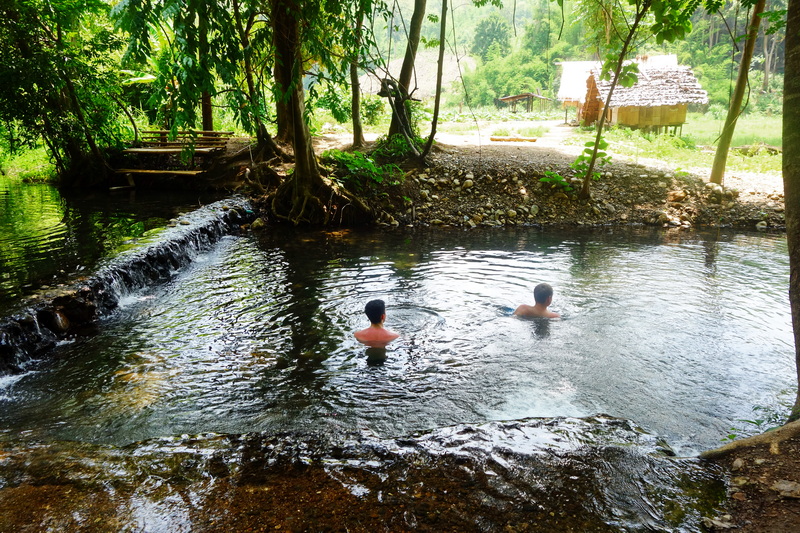
A journey from Chiang Mai to Mae Hong Son is best understood as a sequence of landscapes rather than a single transfer. Mountain roads lead toward Pai and then into the wider province, where forest, valleys, village life, and small natural attractions shape the experience. For travelers who prefer sightseeing with time to observe their surroundings, a hot spring visit can provide a calm contrast to long hours on the road. Sai Ngam Natural Mineral Spring, also known as Sai Ngam Hot Spring, is one of the natural attractions associated with Pai District in Mae Hong Son. Its appeal comes from the setting: warm mineral water gathered among trees, a green atmosphere, and a quieter rhythm than the main sightseeing centers. The site is not simply a place to stop for a photograph; it is an opportunity to notice how water, forest, and recreation meet in northern Thailand. This guide places the spring within a broader Mae Hong Son sightseeing journey from Chiang Mai. It explains how different tour styles can approach the region, what visitors may expect from Sai Ngam, and how Pai Walking Street and Santichon Village can add cultural and community perspectives to the same itinerary.
Planning the journey beyond Chiang Mai
Sightseeing trips from Chiang Mai to Mae Hong Son usually require a regional rather than rushed view of travel. The distance, mountain terrain, and winding roads make the journey more meaningful when travelers allow time for pauses. A Mae Hong Son Sightseeing Tour From Chiang Mai may be arranged as a multi-day route through Pai and onward toward Mae Hong Son, while independent travelers can create a similar sequence with their own transport and overnight planning. The appropriate choice depends on how much time is available and whether the priority is scenery, cultural visits, or relaxed exploration. Travelers researching Saingam Hot Springs can use these details when planning the trip.
A well-balanced route treats Pai as more than a transport point. The district provides access to natural sites and community attractions, including Sai Ngam, while also offering places to walk, eat, and observe daily activity. Travelers continuing toward Mae Hong Son can use Pai as part of a longer loop, whereas those with a shorter schedule may focus on the Pai area without attempting to cover the entire province.
Road conditions and travel times can vary, so current local advice is important before departure. Mountain routes may include frequent curves, and weather can affect comfort and visibility. A tour with a driver or guide can reduce the demands of navigation, while self-drive travelers should plan conservatively, take breaks, and avoid treating the route as a race. The strongest sightseeing experience comes from leaving enough room for the landscape to set the pace.
What makes Sai Ngam a distinctive stop
Sai Ngam Hot Springs are associated with a natural pool environment in a forested part of Pai District. Warm mineral water rises and gathers in a setting shaded by vegetation, creating an atmosphere that feels closely connected to the surrounding woodland. The combination of water, trees, and gentle bathing areas gives the attraction a character different from a developed spa or a large commercial recreation complex.
Visitors considering a Visit Sai Ngam Hot Spring stop should expect a nature-based experience rather than a highly programmed attraction. The main interest lies in sitting near or entering the warm water, noticing the forest around the pool, and allowing time for quiet observation. Water temperature and comfort can differ according to conditions and individual tolerance, so visitors should enter carefully and follow local guidance. Anyone with health concerns should consider personal medical advice before using a hot spring.
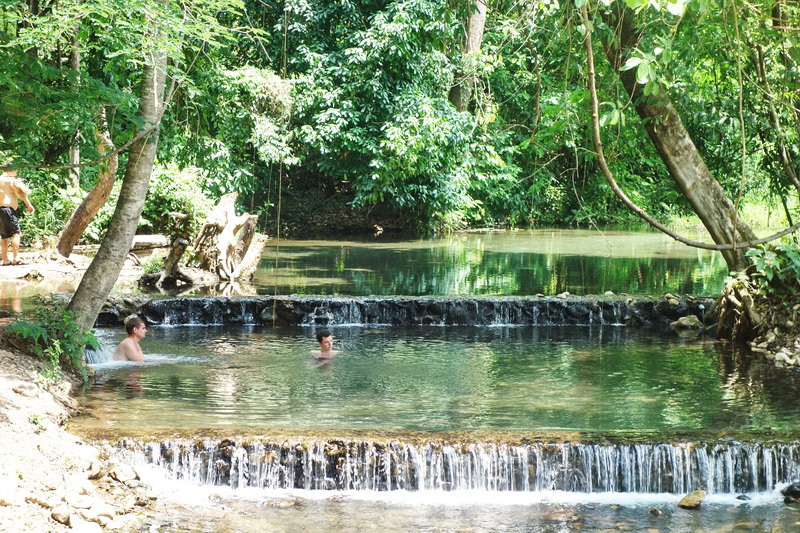
The phrase Sai Ngam Hot Spring Thailand can suggest a broad national category, but this attraction has a distinctly local setting in Pai District, Mae Hong Son Province. Its mineral content is part of its natural identity, although visitors should avoid assuming that bathing water provides a guaranteed medical treatment. The more reliable benefit is experiential: warm water can encourage rest after a road journey, while the natural surroundings invite attention to the region's ecology and landscape.
Good conduct helps preserve the atmosphere. Visitors should keep voices moderate, avoid leaving rubbish, respect bathing customs, and use facilities according to posted instructions. Photography should be considerate, especially when other people are bathing or relaxing. A spring remains a shared environment, and a respectful visit recognizes that local residents and other travelers may value its peaceful character.
Choosing a sightseeing approach from Chiang Mai
Travelers can approach the region through several sightseeing formats without relying on a single fixed itinerary. A multi-day guided journey may connect Chiang Mai, Pai, natural attractions, and Mae Hong Son with commentary and planned stops. This can suit visitors who want regional context and prefer someone else to manage the mountain route. A self-directed road trip offers greater flexibility, but it requires careful attention to driving conditions, navigation, fuel planning, and rest.
Some travelers search for a Mae Hong Son Thailand Visitor Guide because they want to understand the relationship between the route's destinations before choosing a tour. In that case, it helps to separate the journey into themes. Pai can provide a base for nature and evening walks; Sai Ngam can supply a slower forest stop; and the road onward can reveal broader views of Mae Hong Son Province. This thematic approach prevents the trip from becoming a checklist of disconnected locations.
A tour that includes Sai Ngam should allow unhurried time at the spring rather than treating it as a brief photo stop. Visitors may wish to carry drinking water, sun protection, a change of clothes, and suitable footwear, while also checking current access conditions before setting out. These are practical preparations rather than promises about facilities, since local operations and conditions can change.
The most useful question is not whether one tour is universally best, but what kind of attention the traveler wants to give the region. A guide can explain geography and local context; a driver can make a long route less tiring; and an independent traveler can pause according to personal interest. Each approach can work when it respects road realities and avoids packing too many stops into one day.
Reading the landscape with cultural awareness
Pai District is shaped by more than scenic viewpoints. Its attractions reflect a living area where residents, visitors, farms, roads, forests, and small businesses share the same landscape. A visit to Sai Ngam is therefore stronger when paired with attentive travel: observe local signs, support appropriate community businesses, and remember that villages are homes and working communities rather than staged displays.
Santichon Village offers a cultural stop near Pai where visitors can learn about a community associated with Yunnan Chinese heritage. The site includes architecture, food, and visitor-oriented activities that present aspects of that history. Travelers should approach it as a place of cultural context, not as an opportunity to stereotype ethnic communities. Listening, asking permission before photographing people, and recognizing the difference between a public attraction and private life all contribute to more respectful sightseeing.
The landscape around the spring also deserves care. Wet areas and forest edges can be sensitive to litter, noise, and careless movement. Staying on suitable paths, using designated areas, and avoiding damage to plants or natural features are simple ways to reduce impact. These habits matter particularly at attractions whose appeal depends on the continued relationship between natural water and surrounding vegetation.
When nature and culture are visited together, the journey becomes more than a collection of scenic stops. The hot spring provides an environmental perspective, while nearby community attractions show how people interpret, use, and share the region. Neither should be reduced to a backdrop for photographs. A slower and more observant approach allows travelers to appreciate both without making exaggerated claims about local life.
Building a comfortable sightseeing sequence
A practical sequence may begin with travel from Chiang Mai toward Pai, followed by a pause that allows travelers to recover from the road before visiting Sai Ngam. The spring is most enjoyable when the schedule leaves time for changing, bathing or observing, and drying off without pressure to depart immediately. Rather than assigning an exact timetable, travelers should use current road information and local opening guidance to decide how the day should unfold.
After the spring, Pai Walking Street can provide a contrasting evening setting when it is operating. The street is known for pedestrian activity, food stalls, small shops, and the informal energy of a popular visitor area. It is a place to sample local and regional foods, browse thoughtfully, and observe how tourism and everyday commerce overlap. Visitors should keep belongings secure, respect vendors, and avoid blocking busy paths while taking photographs.
Those continuing toward Mae Hong Son can treat this Pai-based portion as one chapter of a longer route. Those returning or staying nearby can focus on the contrast between the quiet forest spring and the livelier walking street. Santichon Village can be placed as a separate cultural visit, allowing enough time to understand its presentation rather than combining every stop into a hurried circuit.
This flexible structure is useful for both guided and independent travel. It keeps the primary focus on sightseeing while leaving space for weather, road conditions, and personal energy. The result is a journey that connects Chiang Mai with Mae Hong Son through changing environments instead of measuring success by the number of attractions completed.
Nearby Attractions
Pai Walking Street

Pai Walking Street adds an urban and social contrast to the natural setting of Sai Ngam. Its evening atmosphere is shaped by pedestrian movement, food vendors, small retail stalls, and travelers exploring the center of Pai. Availability and activity can vary, so visitors should check current local conditions rather than assume that every stall or feature operates in the same way throughout the year.
For a thoughtful visit, walk at an easy pace, sample food according to personal dietary needs, and support small businesses respectfully. The street works well after a nature excursion because it shows another side of Pai: compact, lively, and shaped by both residents and visitors. It can also be a useful place to reflect on how tourism influences a mountain town without treating the community as a performance.
Santichon Village
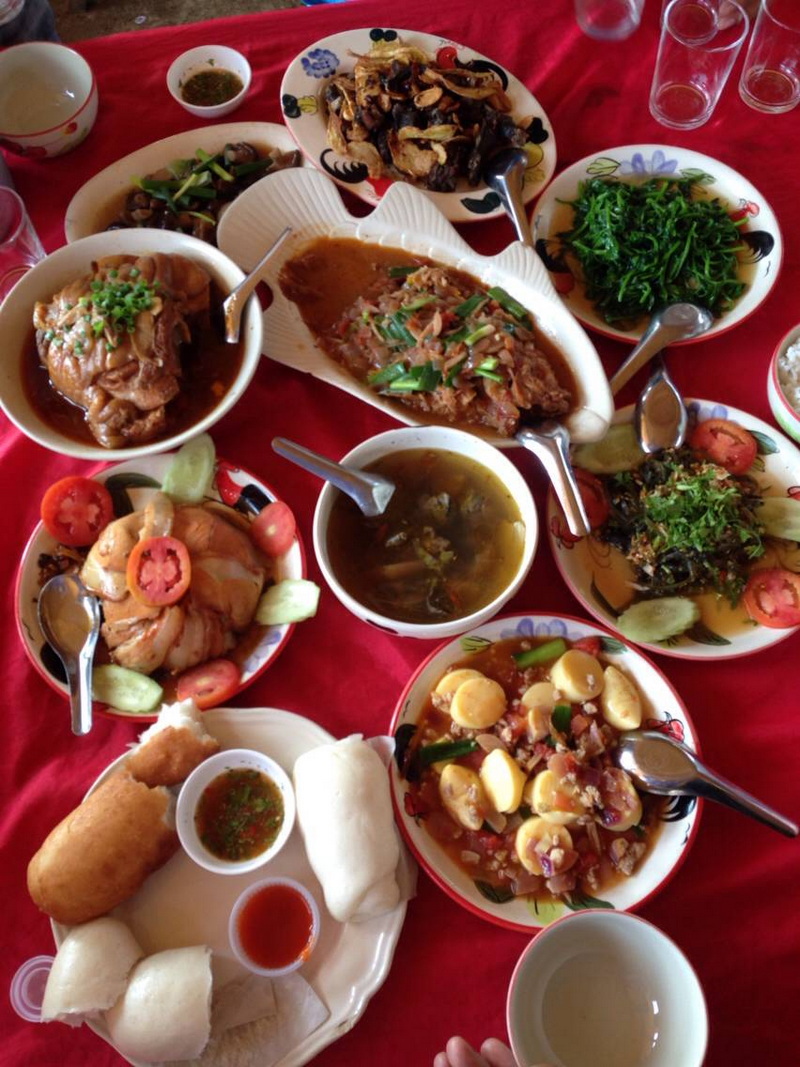
Santichon Village provides cultural context within a Pai-area itinerary. Its visitor spaces present elements connected with Yunnan Chinese heritage, including food, buildings, and community-oriented attractions. The experience is most informative when travelers take time to read available explanations and understand that cultural identity is more complex than the visual features presented at a tourism site.
Visitors should follow local instructions, ask before photographing people, and avoid generalizing about hill tribe or ethnic communities. Buying a locally offered product or meal can be a respectful form of participation when done thoughtfully, but cultural appreciation should not depend on treating residents as attractions. Combined with Sai Ngam, the village helps create a varied route that includes natural features as well as human history.
A Last Look at the Journey
Sai Ngam Hot Springs offers a gentle natural pause within the larger journey from Chiang Mai toward Mae Hong Son. Warm mineral water, forest surroundings, Pai's evening activity, and the cultural context of Santichon Village can form a balanced sightseeing sequence when visited with enough time and respect. Whether arranged through a guided route or planned independently, the journey is strongest when travelers accept the mountain roads, protect shared spaces, and remain curious about the communities along the way. Sai Ngam is not merely a stop between destinations; it is a reminder to slow down and notice the landscape that connects them.

No comments:
Post a Comment