Exploring the Three Kings Monument and Temple Tours in Chiang Mai Thailand
Discover cultural heritage and tour options around Chiang Mai’s iconic landmark and temples
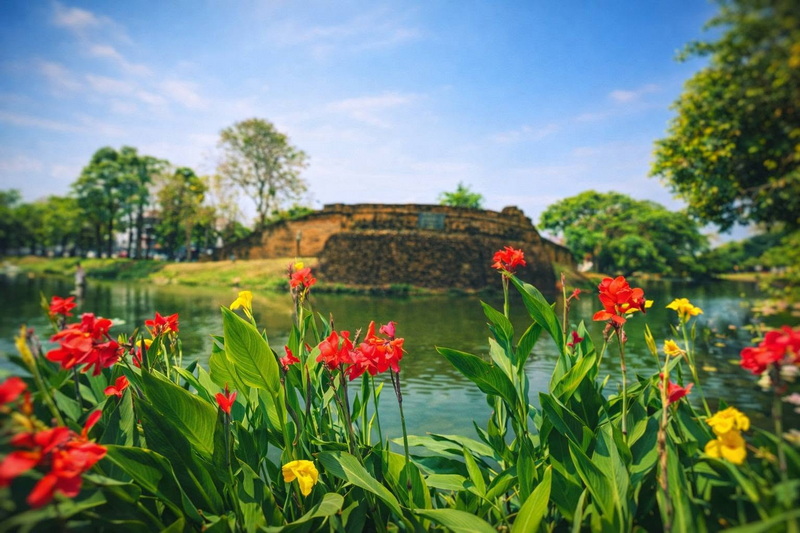
The Three Kings Monument stands as a significant cultural and historical symbol in the heart of Muang Chiang Mai. This revered monument commemorates the founding fathers of Chiang Mai and serves as a focal point for understanding the region’s rich Lanna heritage. Travelers interested in Chiang Mai Temple Tours will find that the monument is a natural starting point for exploring the spiritual and historical tapestry of northern Thailand. Chiang Mai Thailand offers a variety of Package Tours Chiang Mai designed to immerse visitors in the local culture, combining visits to important temples with broader sightseeing experiences. These tours often include nearby attractions such as Wat Chiang Man and Wat Chedi Luang, both of which hold deep religious and historical significance. Whether planning a half-day city tour or a more extensive cultural itinerary, the Three Kings Monument provides essential context and inspiration for appreciating Chiang Mai’s heritage. This article explores the cultural significance of the Three Kings Monument, details relevant temple tours and package tours, highlights nearby attractions, and offers practical insights for respectful and enriching travel planning in Chiang Mai and Thailand.
Cultural Significance of the Three Kings Monument
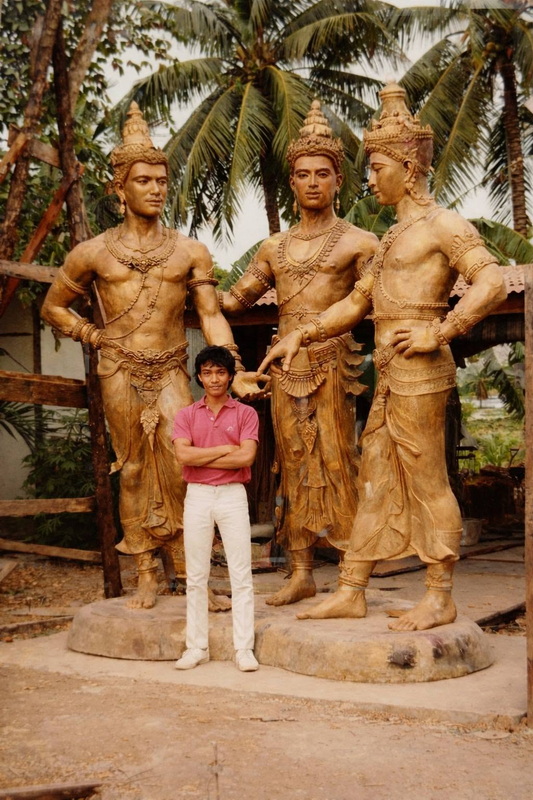
The Three Kings Monument honors the alliance of King Mengrai, King Ramkamhaeng of Sukhothai, and King Ngam Muang of Payao, who collaboratively established the city of Chiang Mai in the late 13th century. This alliance was pivotal in shaping the political and cultural landscape of northern Thailand, marking the beginning of the Lanna Kingdom’s golden era. The monument itself is a bronze sculpture that depicts the three kings seated together, symbolizing unity, cooperation, and the founding spirit of the city.
Beyond its historical importance, the monument is a living cultural site where locals and visitors alike gather for ceremonial events and festivals. It reflects the enduring respect for leadership and harmony within Thai society. Visitors approaching the monument gain insight into the values that have influenced Chiang Mai’s development and the broader cultural identity of the region.
Understanding this context enriches any visit to the monument and nearby temples, as it situates them within a narrative of shared heritage and regional pride. The Three Kings Monument thus serves not only as a tourist attraction but also as a cultural touchstone that connects past and present.
Chiang Mai Temple Tours: Spiritual and Architectural Highlights
Chiang Mai is renowned for its wealth of historic temples, many of which are included in specialized Chiang Mai Temple Tours. These tours provide travelers with opportunities to explore diverse architectural styles, religious art, and the spiritual practices of Theravada Buddhism. The temples often serve as active places of worship, offering a glimpse into daily spiritual life as well as historical grandeur.
Tour operators typically design these tours to include key temples such as Wat Chiang Man and Wat Chedi Luang, both located conveniently near the Three Kings Monument. Visitors can observe ancient chedis, intricate carvings, and sacred Buddha statues, while guides explain the religious symbolism and historical evolution of each site. Temple tours also emphasize respectful visitor behavior, encouraging quiet reflection and cultural sensitivity during visits.
For those interested in a more immersive experience, some tours incorporate opportunities to participate in traditional ceremonies or meet with monks. These experiences deepen appreciation for the living cultural heritage of Chiang Mai and highlight the ongoing importance of temples as centers of community and spiritual learning.
Package Tours Chiang Mai: Combining Culture and Convenience
Package Tours Chiang Mai offer a convenient way to experience a curated selection of cultural and historical sites, including the Three Kings Monument and surrounding temples. These tours are designed to suit a range of traveler preferences, from half-day city tours to more extensive multi-day itineraries that may include other northern Thai destinations.
Such packages often blend visits to the monument and temples with additional activities like traditional crafts workshops, local markets, and culinary experiences. By integrating diverse elements of Chiang Mai Thailand’s heritage, these tours provide a comprehensive understanding of the region’s cultural richness while allowing for practical travel planning.
Travelers benefit from knowledgeable guides who provide historical context, facilitate respectful interactions, and manage logistics efficiently. Although package tours vary in scope, the common thread is their focus on delivering meaningful cultural encounters within a structured framework that respects local customs and traditions.
Nearby Attractions to Complement Your Visit
Exploring the Three Kings Monument is naturally complemented by visits to nearby temples, especially Wat Chiang Man and Wat Chedi Luang, both key stops on many Chiang Mai Temple Tours. These sites offer distinct historical and architectural experiences that enhance understanding of the region’s religious and cultural development.
Wat Chiang Man, the oldest temple in Chiang Mai, is known for its ancient Buddha images and remarkable Lanna-style architecture. It provides a serene atmosphere for reflection and study of Chiang Mai’s early Buddhist heritage. Wat Chedi Luang, meanwhile, is famous for its massive chedi, which was once the tallest structure in the city. Although partially ruined, it remains a powerful symbol of Chiang Mai’s spiritual legacy and resilience.
Visiting these temples in conjunction with the Three Kings Monument allows travelers to appreciate a layered narrative of Chiang Mai’s foundation, religious evolution, and community life. Together, these landmarks form an accessible cultural circuit within the city’s historic center.
Planning a Respectful and Enriching Trip in Chiang Mai Thailand
When planning visits to the Three Kings Monument, temples, and associated tours, cultural sensitivity should be a priority. Dress modestly, remove shoes before entering temple buildings, and maintain a respectful demeanor, as these sites remain active places of worship. Understanding basic Thai customs and etiquette enhances the visitor experience and shows respect for local traditions.
Booking guided Chiang Mai Temple Tours or Package Tours Chiang Mai with reputable operators ensures that tours are conducted ethically and with cultural awareness. Guides can provide valuable insights into the significance of each site and help navigate language or cultural barriers.
Timing visits to avoid peak hours or religious festivals can offer a more contemplative experience, though participating in local celebrations can also enrich understanding if approached respectfully. Balancing curiosity with mindfulness allows travelers to engage deeply with Chiang Mai Thailand’s heritage while honoring its living culture.
Nearby Attractions
Wat Chiang Man
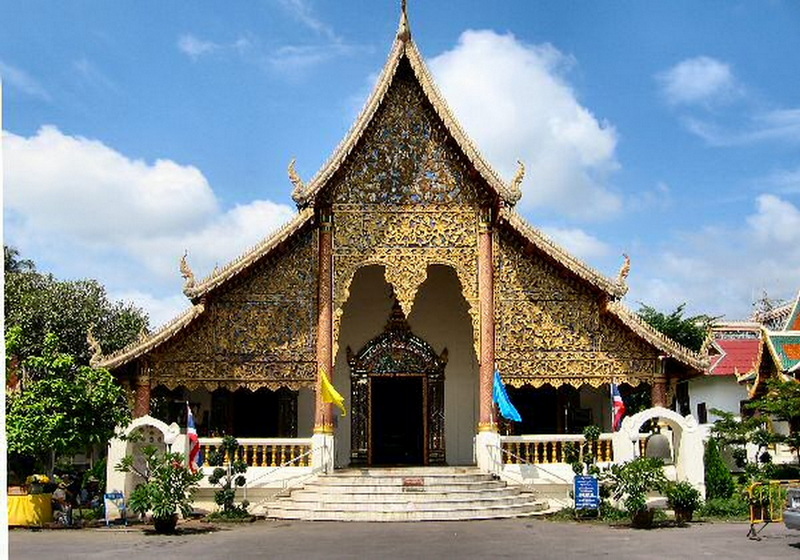
Wat Chiang Man is the oldest temple in Chiang Mai, dating back to the city’s founding in 1296. It houses several important Buddha statues, including the revered Crystal Buddha and the Marble Buddha, which are considered sacred relics. The temple’s architecture showcases classic Lanna design elements, with graceful roofs and intricate wood carvings.
Visitors to Wat Chiang Man can experience a tranquil environment that contrasts with the bustling city streets nearby. The temple grounds include ancient stupas and a small museum displaying artifacts that illuminate Chiang Mai’s early history. As an active place of worship, it offers a window into contemporary Buddhist practices alongside its historical treasures.
Wat Chedi Luang
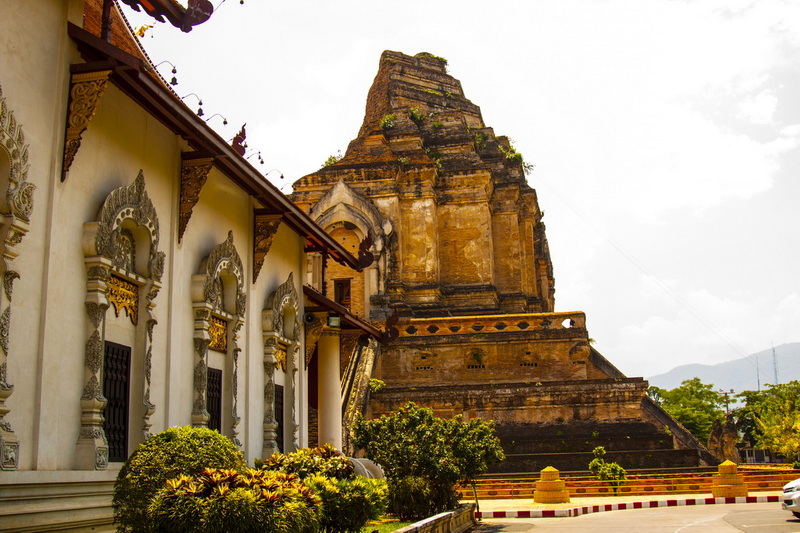
Wat Chedi Luang is a monumental temple complex famous for its large chedi, which was originally over 80 meters tall before being partially destroyed by an earthquake in the 16th century. Despite the damage, the site remains one of Chiang Mai’s most impressive religious landmarks, attracting both pilgrims and tourists.
The temple complex includes several important structures such as the city pillar shrine and the viharn (assembly hall). Wat Chedi Luang also houses the Emerald Buddha statue for a time before it was moved to Bangkok. Visitors often come to admire the chedi’s imposing ruins and participate in traditional almsgiving ceremonies conducted by local monks.
A Last Look at the Journey
A visit to the Three Kings Monument and the surrounding temples offers a profound glimpse into Chiang Mai’s historical roots and spiritual life. By choosing Chiang Mai Temple Tours or Package Tours Chiang Mai, travelers can engage with the city’s cultural heritage in a structured yet meaningful way. Respectful travel planning and an appreciation for local customs ensure that such visits honor both the past and present of Chiang Mai Thailand. This balance of cultural insight and practical guidance invites every visitor to become part of the ongoing story that these landmarks embody.
