Doi Suthep-Pui National Park and Eco Trekking Experiences in Northern Thailand
Exploring northern Thailand’s top national parks with immersive day tours and eco-friendly trekking adventures
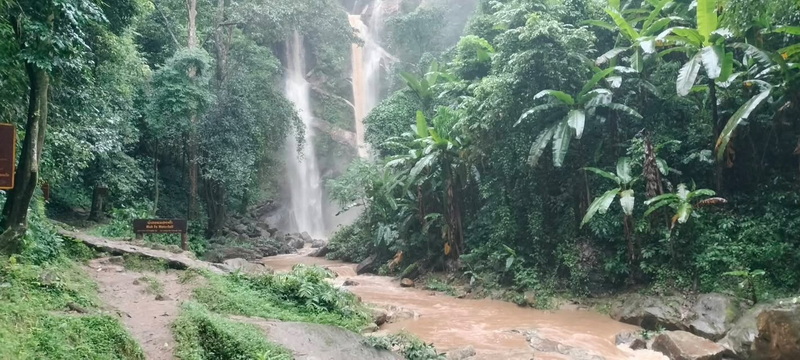
Northern Thailand is renowned for its lush natural landscapes and rich biodiversity, making it a prime destination for nature lovers and trekking enthusiasts alike. Among the celebrated National Parks In Northern Thailand, Doi Suthep-Pui National Park stands out not only for its stunning scenery but also for the variety of day tours and eco trekking activities it offers. Located near Muang Chiang Mai, this park provides visitors with a unique opportunity to immerse themselves in nature while practicing responsible and sustainable travel. For travelers seeking an engaging outdoor experience, the Doi Suthep day tour is a popular choice that combines cultural exploration with accessible hiking routes. Meanwhile, Eco Trekking Chiang Mai initiatives emphasize environmentally conscious trekking practices, ensuring that visitors minimize their impact on the delicate ecosystems and local communities. This article guides you through the highlights of Doi Suthep-Pui National Park, details the available day tours, and explains how eco trekking in this region supports conservation efforts and responsible tourism.
Overview of National Parks In Northern Thailand
Northern Thailand is home to some of the country’s most diverse and ecologically significant national parks. These protected areas showcase mountainous terrain, dense forests, waterfalls, and a wealth of wildlife. National Parks In Northern Thailand serve as vital sanctuaries for many endemic species and offer a refuge for migratory birds. They also preserve the cultural heritage of hill tribe communities who have lived in harmony with nature for centuries.
Among these parks, Doi Suthep-Pui National Park is one of the most accessible and popular destinations close to Chiang Mai city. It features a mix of evergreen forests, rich flora, and fauna, alongside important cultural landmarks such as the revered Wat Phra That Doi Suthep temple. The park’s elevation ranges from about 400 to 1,685 meters, creating varied microclimates and habitats that support a wide range of species.
Visitors to the northern parks can enjoy activities like hiking, birdwatching, and nature photography. Many parks promote eco-friendly tourism models, balancing visitor enjoyment with environmental protection. This approach encourages travelers to respect natural resources and local traditions, making the experience rewarding both personally and ecologically.
Experiencing the Doi Suthep Day Tour
The Doi Suthep day tour is a favored itinerary for visitors wanting a glimpse of northern Thailand’s natural beauty combined with cultural immersion. Starting from Chiang Mai, the tour typically includes a visit to the iconic Wat Phra That Doi Suthep temple, perched on a mountain overlooking the city. This sacred site offers panoramic views and insights into Thai Buddhist culture.
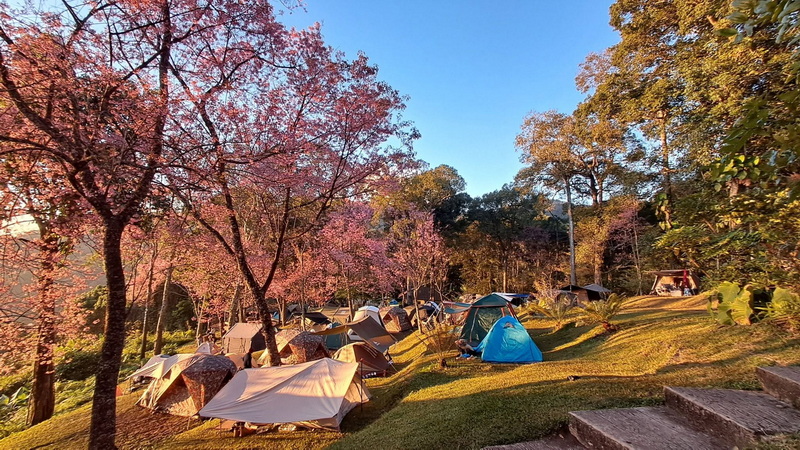
Beyond the temple, the tour often includes easy to moderate hiking trails within the park. These trails wind through lush forests, past waterfalls, and reveal diverse plant species. The day tour is designed to be accessible for most fitness levels, making it suitable for first-time visitors and those seeking a half-day or full-day outdoor excursion.
Guides on these tours emphasize the importance of respecting the environment and local customs. They provide information about the park’s ecology and the cultural significance of the sites visited. This educational component helps foster awareness and appreciation for conservation efforts in northern Thailand.
For travelers interested in combining cultural sightseeing with nature, the Doi Suthep day tour offers a balanced and enriching experience. It also serves as an introduction to the broader opportunities for trekking and eco tourism available in the region.
Eco Trekking Chiang Mai: Responsible Adventures in Nature
Eco trekking in Chiang Mai, especially within Doi Suthep-Pui National Park, highlights environmentally conscious travel practices. This form of trekking encourages minimal impact on the natural environment, promoting Leave No Trace principles and respectful interaction with local communities.
Trekking routes in the park vary from gentle walks to more challenging hikes through dense jungle and mountainous terrain. Eco trekking tours often include local guides who share knowledge about native plants, wildlife, and traditional uses of natural resources. These guides also help ensure that trekking groups adhere to sustainable practices.

An important aspect of Eco Trekking Chiang Mai is its support for local hill tribe communities. Responsible trekking avoids exoticizing or exploiting these cultures, instead fostering respectful cultural exchange and providing economic benefits through fair employment. Visitors learn about traditional lifestyles and conservation efforts led by indigenous people.
By choosing eco trekking options, travelers contribute to the preservation of the park’s ecosystems and cultural heritage. This approach aligns with global trends toward sustainable tourism, offering a more meaningful and ethical way to explore northern Thailand’s natural treasures.
Benefits of Environmentally Conscious Trekking
Engaging in environmentally conscious trekking within northern Thailand’s national parks offers multiple benefits. Ecologically, it helps protect fragile habitats by minimizing trail erosion, reducing litter, and avoiding disturbance to wildlife. This ensures that the natural beauty and biodiversity of places like Doi Suthep-Pui National Park are preserved for future generations.
For travelers, eco trekking provides a deeper connection to the environment. It encourages mindfulness about one’s impact and fosters a sense of stewardship. This type of trekking often includes educational components that enrich the experience beyond physical activity, enabling visitors to understand the importance of conservation.
Economically, eco trekking supports local communities by creating sustainable income opportunities. Responsible tourism initiatives often prioritize hiring local guides and using locally owned services. This helps maintain traditional cultures and reduces the pressure on natural resources caused by mass tourism.

Overall, environmentally conscious trekking aligns with global efforts to promote sustainable travel. It balances the desire for adventure with a commitment to protect natural and cultural heritage, making it a preferred choice for conscientious travelers visiting northern Thailand.
Summary of Eco Trekking Options in Northern Thailand
Northern Thailand offers a variety of eco trekking options that cater to different interests and fitness levels. Within Doi Suthep-Pui National Park, visitors can find well-marked trails suitable for day hikes or longer excursions. Many trekking tours emphasize low-impact travel and cultural respect, providing an immersive experience without compromising the environment.
Other national parks in the north also offer eco trekking experiences, each with unique landscapes and cultural contexts. Choosing eco-friendly tours helps preserve these natural areas and supports the livelihoods of local communities.
Whether you are a first-time visitor or an experienced trekker, eco trekking in northern Thailand is an opportunity to explore stunning natural scenery responsibly. By selecting tours and guides committed to sustainable practices, travelers can enjoy their adventure with confidence that they are contributing positively to the region’s conservation and cultural preservation efforts.
A Last Look at the Journey
Doi Suthep-Pui National Park exemplifies the best of northern Thailand’s natural and cultural heritage, offering accessible day tours and meaningful eco trekking experiences. By choosing environmentally responsible trekking options, visitors not only enjoy the park’s breathtaking landscapes but also play a vital role in conserving its ecosystems and supporting local communities. Whether you embark on a Doi Suthep day tour or a deeper eco trekking adventure, this region invites you to explore with curiosity, respect, and appreciation for the delicate balance between nature and culture. Embracing sustainable travel here ensures that these treasures remain vibrant and protected for generations to come.

No comments:
Post a Comment