Exploring Khun Chang Kian Village and Hill Tribe Tours Near Chiang Mai
Discover the cultural richness and mountain beauty of Ban Khun Chang Kian with authentic hill tribe tours and Hmong heritage insights
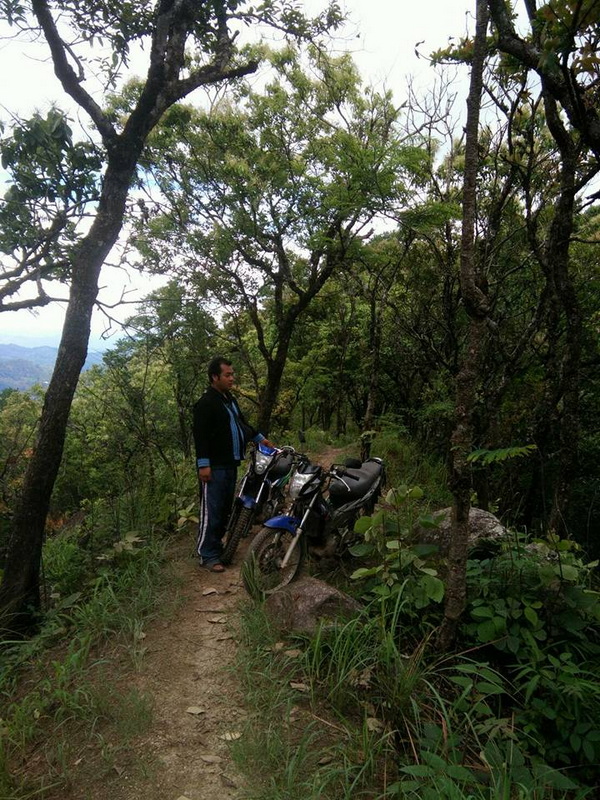
Nestled in the highlands of Muang Chiang Mai, Khun Chang Kian Village offers travelers a unique window into the mountain village lifestyle and the vibrant culture of the Hmong hilltribe. This area exemplifies the serene environment and traditional ways of life found in Chiang Mai Mountain Villages, making it a must-visit destination for those seeking meaningful cultural encounters and nature immersion. Visitors to Ban Khun Chang Kian can engage with local communities through ethical hill tribe tours that emphasize respect, dignity, and cultural preservation. These tours provide invaluable Hmong Hilltribe Information, shedding light on the indigenous customs, crafts, and history that have shaped this community for generations. The surrounding landscape, rich with misty hills and terraced fields, enhances the experience, inviting travelers to connect with the natural environment while learning from the people who call it home. Beyond the village itself, the region is complemented by notable nearby attractions such as Wat Phra That Doi Suthep and Hmong Doi Pui Village, offering extended opportunities to explore northern Thailand’s cultural and spiritual heritage. Together, these sites create a layered understanding of the hill tribe presence in the Chiang Mai mountains and their ongoing relationship with the land.
Understanding the Character of Chiang Mai Mountain Villages
Mountain villages like Khun Chang Kian are defined by their elevated location, cooler climate, and close-knit communities that maintain centuries-old traditions. These villages are often surrounded by lush forests and agricultural terraces, creating a picturesque setting that supports a slower pace of life deeply connected to nature. Travelers researching Best Hill Tribe Tours Chiang Mai can use these details when planning the trip.
Khun Chang Kian, in particular, is known for its peaceful atmosphere and the agricultural practices of the Hmong people, who cultivate vegetables and flowers suited to the mountainous terrain. The village layout, with simple wooden homes and communal spaces, reflects an intimate relationship between the residents and their environment.
The natural environment plays a crucial role in daily life, influencing local customs, food, and festivals. Visitors to these mountain villages witness a way of living that balances human activity with ecological stewardship, an aspect that ethical tourism initiatives actively promote.
In this context, Khun Chang Kian stands out as an accessible example of Chiang Mai Mountain Villages where cultural authenticity remains strong despite increasing visitor interest.
Experiencing the Best Hill Tribe Tours in Chiang Mai
Hill tribe tours available around Khun Chang Kian focus on offering respectful and educational interactions with the local Hmong community. These tours are designed to avoid the pitfalls of exploitative tourism by emphasizing informed consent and mutual benefit.
Tourists are guided through village life by local hosts who share their stories, traditional crafts, and agricultural practices. This exchange fosters understanding and appreciation rather than mere observation.
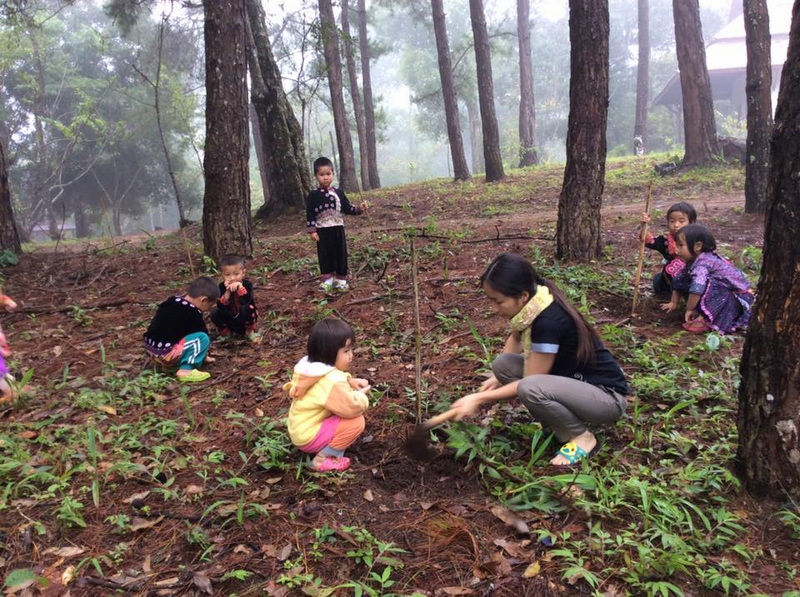
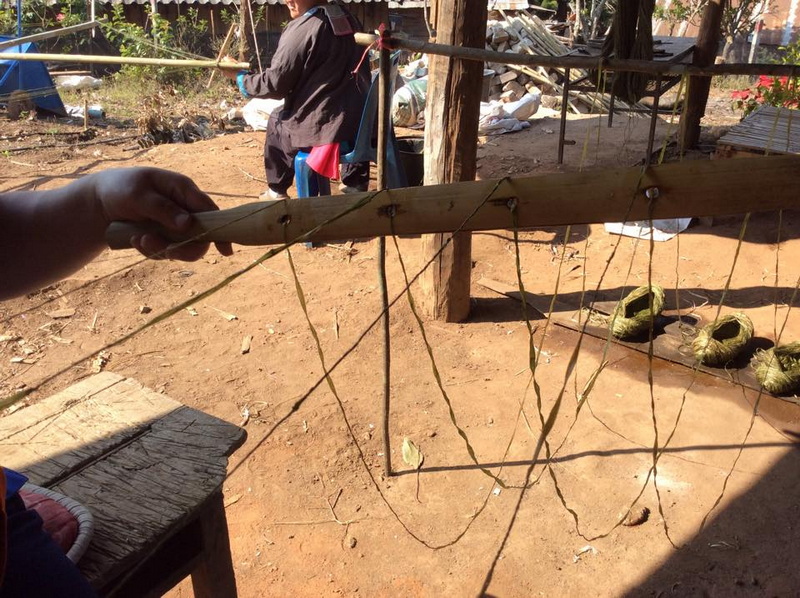
Many tours include visits to handicraft workshops where visitors can learn about textile weaving, embroidery, and natural dyeing techniques distinctive to the Hmong culture. These activities not only preserve cultural heritage but also provide sustainable income for the community.
The best hill tribe tours also incorporate discussions about the challenges facing indigenous communities, such as modernization pressures and environmental changes, encouraging travelers to consider their role in supporting ethical tourism.
Overall, these tours provide a meaningful way to engage with the living culture of northern Thailand’s hill tribes while promoting responsible travel practices.
Insights into Hmong Hilltribe Information and Culture
The Hmong people are one of the prominent hill tribes in northern Thailand, with a rich cultural heritage that includes distinctive clothing, language, and spiritual beliefs. Their presence in the Chiang Mai mountains dates back several centuries, contributing significantly to the region’s diversity.
Traditional Hmong attire, often brightly colored with intricate embroidery, is a visible symbol of identity and craftsmanship. These garments are worn during important ceremonies and festivals, many of which are tied to agricultural cycles and ancestral worship.
Hmong communities maintain a strong connection to their ancestral lands and practice animism alongside Buddhism, creating a unique spiritual landscape. Rituals and offerings to nature spirits are common and reflect a worldview centered on harmony with the environment.
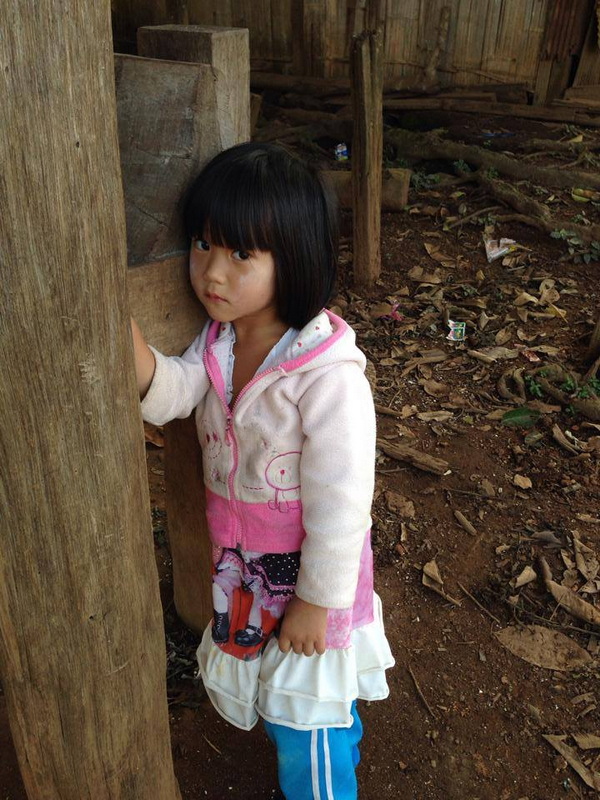
Language and oral history play a vital role in preserving Hmong identity. Storytelling, songs, and folk tales are passed down through generations, often shared with visitors during cultural tours to deepen understanding.
By learning Hmong Hilltribe Information within its cultural and environmental context, travelers gain a more respectful and nuanced appreciation of the community’s ongoing traditions and contemporary challenges.
Surrounding Attractions to Enhance Your Visit
Khun Chang Kian’s location near several notable sites offers visitors additional layers of cultural and natural exploration. These nearby attractions complement the mountain village experience by providing broader context about the region’s heritage.
Wat Phra That Doi Suthep, one of northern Thailand’s most revered temples, is accessible from the village and offers insight into Buddhist spiritual practices alongside breathtaking views of Chiang Mai city below. Its historic significance and serene setting make it a popular destination for travelers seeking cultural depth.
Hmong Doi Pui Village, located close by, is another authentic hill tribe community where visitors can observe traditional lifestyles and crafts similar to those in Khun Chang Kian. This village often serves as a comparative experience to understand the diversity within the Hmong population and their adaptation to tourism.
Together, these nearby locations enrich a visit to Khun Chang Kian by situating it within a wider cultural landscape, encouraging visitors to appreciate the interconnectedness of mountain village life, spiritual traditions, and indigenous heritage.
Promoting Ethical Tourism and Community Engagement
Ethical tourism is a cornerstone of visiting Khun Chang Kian and similar mountain villages. It involves approaching visits with respect for local customs, avoiding exploitative behaviors, and supporting community-led initiatives.
Travelers are encouraged to engage with hosts as partners rather than mere attractions, listening actively to their stories and respecting their privacy and dignity. This mindset helps counteract the exoticizing tendencies that can undermine authentic cultural exchange.
Purchasing handicrafts directly from artisans and choosing locally operated tours helps ensure that tourism benefits the community economically. Additionally, visitors should remain mindful of environmental impacts, adhering to guidelines that protect the fragile mountain ecosystem.
By participating in ethical hill tribe tours and practicing responsible visitation, travelers contribute to the preservation of Hmong culture and the sustainable development of Chiang Mai Mountain Villages.
This approach fosters a meaningful connection between visitors and hosts, enriching travel experiences while supporting indigenous livelihoods and cultural survival.
Nearby Attractions
Wat Phra That Doi Suthep
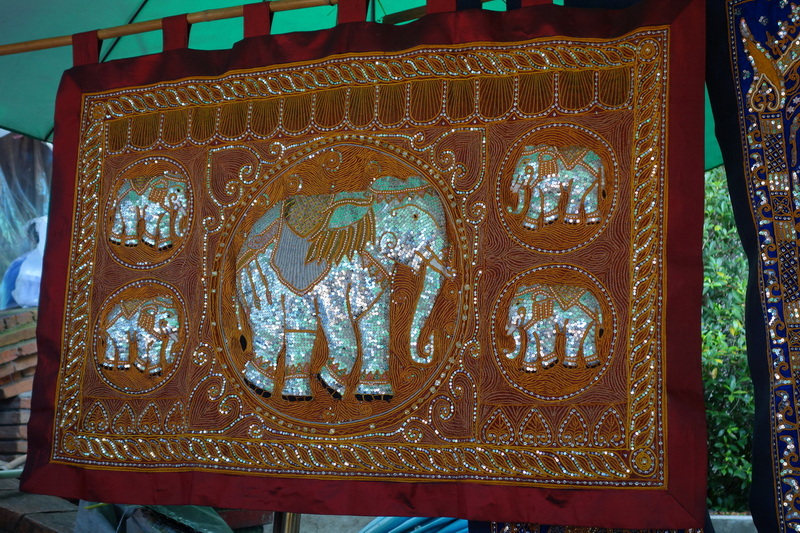
Wat Phra That Doi Suthep is a sacred Buddhist temple perched on Doi Suthep mountain, offering panoramic views over Chiang Mai. It is an essential spiritual and cultural landmark in northern Thailand, drawing both pilgrims and tourists.
The temple complex features intricate Lanna architecture, golden chedis, and richly decorated viharns (prayer halls). Visitors can observe monks in daily rituals and participate respectfully in ceremonies.
Its location near Khun Chang Kian makes it an ideal complement for travelers interested in combining mountain village culture with spiritual exploration.
The temple’s serene atmosphere and natural surroundings contribute to its reputation as a place for contemplation and cultural appreciation.
Hmong Doi Pui Village
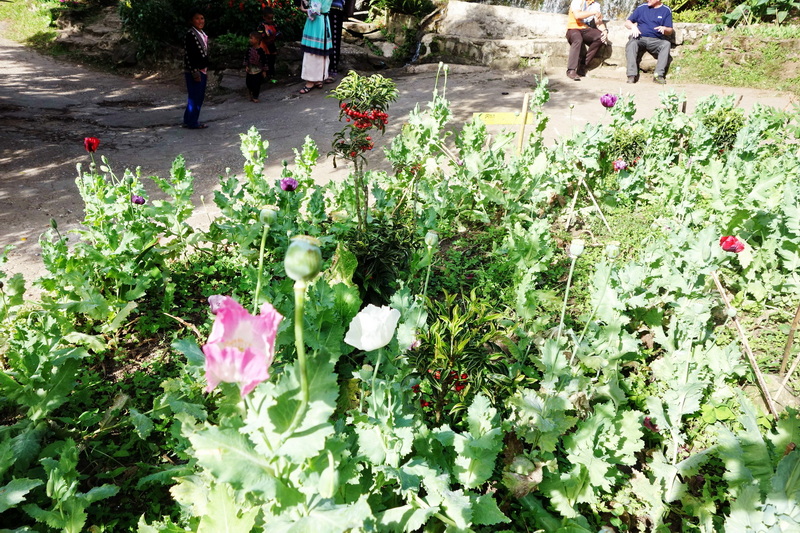
Hmong Doi Pui Village is a traditional hill tribe community situated on the slopes of Doi Pui mountain. Like Khun Chang Kian, it offers insight into Hmong culture through handicrafts, farming practices, and daily village life.
Visitors can explore local markets, watch demonstrations of textile weaving, and learn about the village’s history and customs from resident guides.
The village’s elevated position provides cool weather and scenic views, enhancing the experience of cultural immersion in a mountain setting.
Hmong Doi Pui Village serves as an important reference point for understanding the diversity and resilience of hill tribe communities in northern Thailand.
A Last Look at the Journey
Khun Chang Kian Village invites travelers to step beyond conventional tourism and immerse themselves in the authentic mountain village lifestyle of northern Thailand. Through thoughtful hill tribe tours and engagement with Hmong Hilltribe Information, visitors gain a deeper respect for the cultural richness and natural beauty that define this region. The nearby spiritual and cultural sites further enrich this experience, creating a well-rounded journey into the heart of Chiang Mai’s mountain communities. By prioritizing ethical tourism and community respect, travelers not only enjoy meaningful encounters but also support the ongoing vitality of Khun Chang Kian and its people.
