Discovering Phan Tao Temple in Chiang Mai’s City Tours and Package Tours
Explore Wat Phan Tao’s cultural highlights and its place in popular Chiang Mai city and package tours
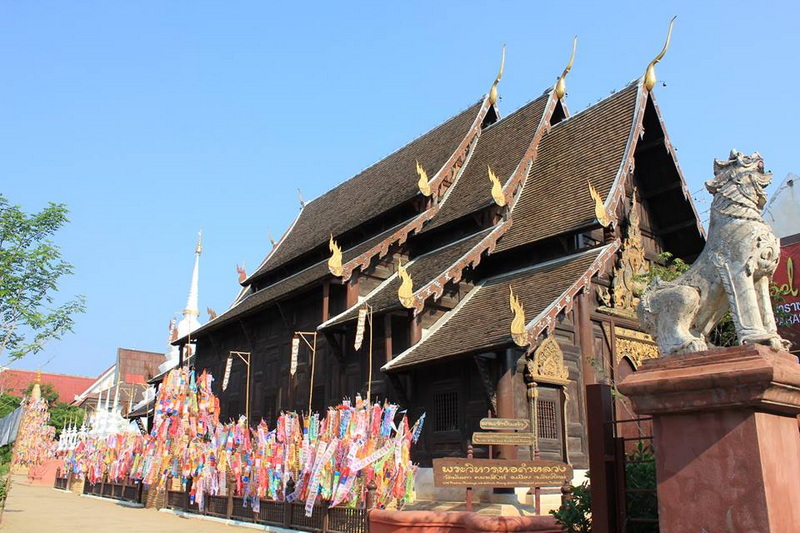
Nestled in the heart of Muang Chiang Mai, Wat Phan Tao stands as one of the best temples to see in Chiang Mai, offering visitors a unique glimpse into Northern Thailand’s rich cultural heritage. Unlike many other temples in the city, Wat Phan Tao is renowned for its elegant teakwood construction, which sets it apart as a striking example of traditional Lanna architecture. This temple’s serene atmosphere and intricate craftsmanship make it a must-visit destination for travelers interested in both spiritual heritage and architectural beauty. For those exploring Chiang Mai, Wat Phan Tao is often included in Chiang Mai city tours that highlight the city’s historical and religious landmarks. These tours provide convenient access to the temple alongside other notable sites, allowing visitors to experience a well-rounded view of Chiang Mai’s cultural landscape. Additionally, various Chiang Mai package tours incorporate Wat Phan Tao as part of a broader itinerary, combining temple visits with local markets, museums, and other attractions for a comprehensive travel experience. This article will guide you through the visitor highlights of Wat Phan Tao and explain how it fits into the popular city tours and package tours available in Chiang Mai. Whether you are planning a short visit or a longer cultural exploration, understanding the significance and visitor experience of Wat Phan Tao will enrich your trip.
Overview of Wat Phan Tao and Its Location
Wat Phan Tao is located within the old city walls of Muang Chiang Mai, making it easily accessible for visitors exploring the historic center. The temple’s name, which translates roughly as "the temple of wooden boat," reflects its unique architectural feature: the entire structure is built from teak wood, without the use of nails. This craftsmanship is a hallmark of the Lanna style, emphasizing natural materials and detailed woodcarving.
Unlike the larger and more frequently visited temples in Chiang Mai, Wat Phan Tao offers a quieter, more intimate experience. Its tranquil grounds provide a peaceful retreat from the bustling city streets. The temple’s location near other significant sites such as Wat Chiang Man and Wat Chedi Luang makes it a natural stop on many Chiang Mai city tours, allowing visitors to explore multiple temples within a short walking distance.
The temple’s wooden viharn (assembly hall) is particularly notable for its elegant simplicity and the warmth of its aged teak, which contrasts with the more ornate stucco and gold leaf decorations found in other temples. This focus on natural materials and craftsmanship highlights the cultural importance of traditional building techniques in Northern Thailand.
Visitor Highlights at Wat Phan Tao
Visitors to Wat Phan Tao often remark on the temple’s distinctive wooden architecture, which is rare among Chiang Mai’s temples. The absence of nails and the intricate joinery demonstrate a high level of traditional craftsmanship that appeals to those interested in cultural heritage and architecture.
Inside the temple, visitors can observe a collection of Buddha images and religious artifacts that reflect the temple’s spiritual significance. The peaceful atmosphere encourages quiet reflection and appreciation of Buddhist art and symbolism. Photography is allowed in many areas, enabling visitors to capture the temple’s unique details.
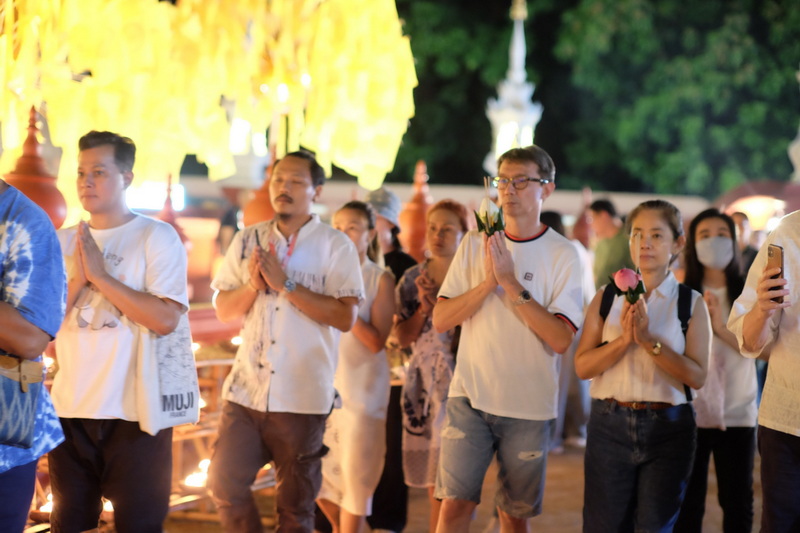
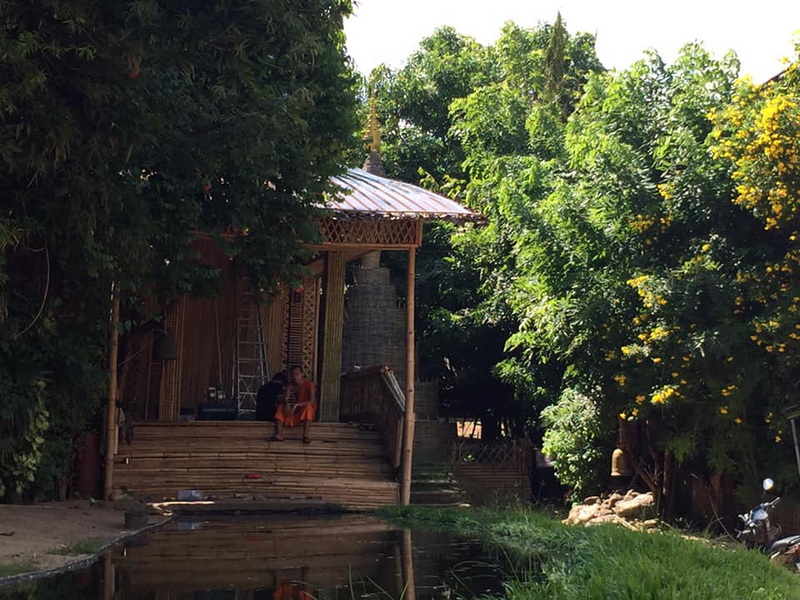
In addition to its architectural and spiritual appeal, Wat Phan Tao is a place where visitors can witness the daily rhythm of local religious life. Monks often perform rituals and prayers here, and respectful visitors can observe these practices from a distance. The temple grounds are well-maintained, with shaded areas and benches that invite visitors to linger and absorb the surroundings.
The temple’s proximity to the Sunday Night Market also adds to its visitor appeal, offering an opportunity to combine cultural exploration with a lively local shopping experience. This nearby market is one of Chiang Mai’s most famous attractions, providing a colorful contrast to the calm of Wat Phan Tao.
Chiang Mai City Tours Featuring Wat Phan Tao
Chiang Mai city tours frequently include Wat Phan Tao as a highlight due to its central location and cultural significance. These tours typically cover a selection of temples and landmarks, offering visitors an efficient way to experience the city’s rich heritage within a single day or half-day itinerary.
Many city tours begin with visits to Wat Phan Tao and nearby temples such as Wat Chiang Man and Wat Chedi Luang, providing a thematic journey through Chiang Mai’s religious and historical sites. Guides often share insights into the architectural styles, religious practices, and history of each temple, enriching the visitor experience.
These tours cater to a variety of travelers, from first-time visitors seeking an introduction to Chiang Mai’s temples to return visitors wanting a deeper understanding of local culture. The inclusion of Wat Phan Tao helps balance the tour by offering a quieter, less commercialized temple experience alongside more popular sites.
Chiang Mai city tours that incorporate Wat Phan Tao also emphasize respectful visitor behavior, encouraging participants to appreciate the spiritual context of the temple while enjoying its aesthetic qualities.
Inclusion of Wat Phan Tao in Chiang Mai Package Tours
Beyond city tours, Wat Phan Tao is frequently featured in broader Chiang Mai package tours that combine cultural, historical, and leisure activities. These package tours often appeal to travelers who prefer a well-planned itinerary with a mix of experiences, including temple visits, local markets, traditional crafts, and natural attractions.
Package tours that include Wat Phan Tao typically highlight its role as one of the best temples to see in Chiang Mai, showcasing its unique architecture and cultural value. These tours may also integrate visits to nearby attractions, allowing travelers to explore multiple points of interest without the need for extensive individual planning.
Family-oriented package tours often incorporate Wat Phan Tao because of its approachable size and engaging visual appeal. It provides a manageable and enriching stop that can be easily combined with other activities suitable for all ages.
While the exact composition of package tours varies, Wat Phan Tao’s presence in these itineraries underscores its importance within the broader tourism landscape of Chiang Mai. It offers a balance between cultural learning and accessible sightseeing that complements other tour components.
Understanding Visitor Experience and Cultural Significance
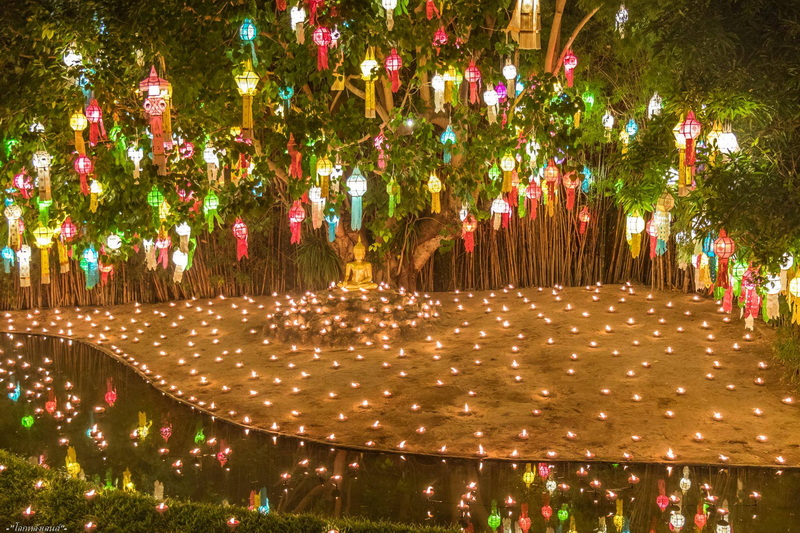
Visiting Wat Phan Tao offers more than just an architectural experience; it provides insight into the spiritual life and artistic traditions of Northern Thailand. The temple’s wooden construction reflects centuries-old building techniques that are both practical and symbolic, emphasizing harmony with nature and craftsmanship passed down through generations.
The temple’s quiet ambiance allows visitors to reflect on the cultural values embedded in its design and use. It stands as a testament to the Lanna kingdom’s religious devotion and aesthetic sensibility, connecting today’s travelers with Chiang Mai’s historical identity.
Respectful engagement is key when visiting Wat Phan Tao. Observing local customs, dressing modestly, and maintaining a considerate demeanor contribute to a meaningful and culturally sensitive visit. This approach aligns with the temple’s role as a living religious site rather than merely a tourist attraction.
In this way, Wat Phan Tao enriches the visitor’s understanding of Chiang Mai’s temple culture, making it a valuable addition to any itinerary focused on cultural immersion and historical appreciation.
Nearby Attractions
Wat Chiang Man
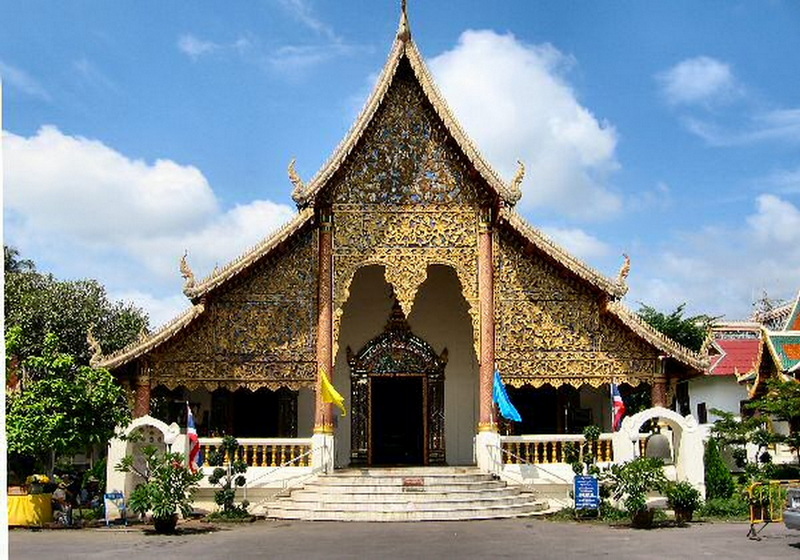
Wat Chiang Man holds the distinction of being the oldest temple in Chiang Mai, dating back to the city’s founding in the 13th century. It is renowned for its ancient Buddha statues and historical significance as a spiritual center during the early Lanna period.
The temple’s location near Wat Phan Tao makes it an ideal companion visit for travelers interested in the evolution of Chiang Mai’s religious architecture and art. Wat Chiang Man features a mix of stone and stucco sculptures, along with well-preserved murals that offer insight into the region’s history.
Visitors can experience a blend of cultural heritage and serene temple grounds, with opportunities to observe monks and partake quietly in the temple’s peaceful atmosphere.
Wat Chedi Luang
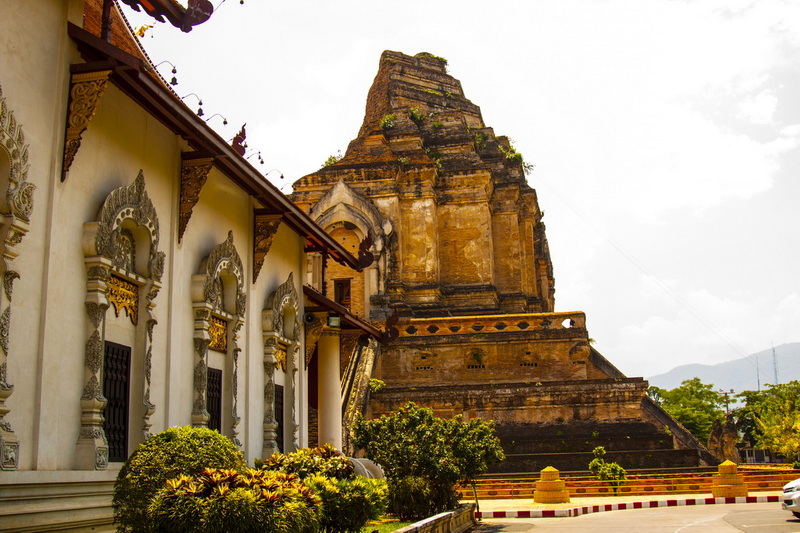
Wat Chedi Luang is one of Chiang Mai’s most iconic temples, famous for its massive chedi (stupa) that once stood over 80 meters tall. Although partially ruined due to earthquake damage, the chedi remains an impressive landmark and a symbol of the city’s spiritual legacy.
The temple complex is larger and more bustling than Wat Phan Tao, attracting both locals and tourists for religious ceremonies and cultural events. It also houses a revered city pillar and a collection of Buddha images and relics.
Wat Chedi Luang’s proximity to Wat Phan Tao allows visitors to experience contrasting temple atmospheres within a short distance, enriching the overall cultural tour of Chiang Mai.
A Last Look at the Journey
Wat Phan Tao stands out as a remarkable destination for travelers seeking a meaningful and authentic temple experience in Chiang Mai. Its distinctive wooden architecture and tranquil setting offer a unique perspective on Northern Thailand’s cultural and spiritual traditions. As part of Chiang Mai city tours and package tours, Wat Phan Tao enriches the visitor’s journey by providing a peaceful counterpoint to the more frequented temples. Exploring Wat Phan Tao alongside nearby attractions such as Wat Chiang Man and Wat Chedi Luang creates a well-rounded cultural itinerary that highlights the diversity and depth of Chiang Mai’s temple heritage. For those interested in respectful cultural exploration and architectural beauty, Wat Phan Tao is truly one of the best temples to see in Chiang Mai.

No comments:
Post a Comment