Karen Hill Tribe Villages and Chiang Mai Cultural Journeys
A respectful guide to Northern Thailand’s village diversity and thoughtful visits from Chiang Mai
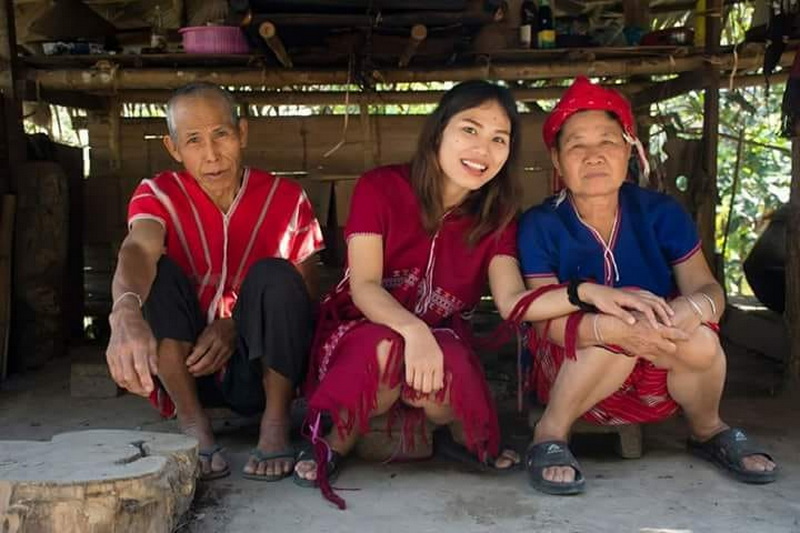
Northern Thailand is home to a range of Indigenous and ethnic communities, each with its own history, language, crafts, agricultural practices, and relationship with the surrounding landscape. A visit to one village cannot represent all Hill Tribe Villages Northern Thailand, and the phrase itself covers communities with distinct identities rather than a single cultural experience. The Karen are among the best-known communities associated with cultural visits in the region. Within broad travel discussions, visitors may encounter references to Karen Hilltribe villages, Karen Long Neck communities, and villages where Karen families maintain everyday traditions away from the most publicized tourism settings. These communities should be approached as living places, not as open-air exhibitions. For travelers starting in Chiang Mai, the most useful question is not simply which tour is cheapest or most convenient. It is whether a proposed visit explains where the community is located, how local people participate in tourism, what activities are genuinely included, and how visitors are expected to behave. This guide compares village variety, outlines possible Chiang Mai tour package formats, and offers a practical framework for making a more respectful choice.
Northern Thailand’s Village Diversity
Northern Thailand’s cultural landscape is varied. Karen communities exist alongside other ethnic groups, including Hmong, Lahu, Lisu, Akha, and others, although the history and presence of each community differ from place to place. A village may be shaped by farming, forest knowledge, religious practice, craft production, migration history, or newer forms of community-based tourism. It is therefore more accurate to speak about many village experiences than to search for one definitive hill tribe destination.
The physical appearance of a village can also vary. Some communities are located in upland agricultural areas, while others have become connected to organized visitor programs. Some visits emphasize conversations about livelihoods and local history; others focus on weaving, handmade goods, food traditions, or demonstrations arranged by residents. None of these elements should be treated as proof that one group is more authentic than another.
Travelers can improve their understanding by asking whether a tour introduces a specific community and its own name, rather than presenting several unrelated groups as one attraction. Good interpretation gives context without reducing people to clothing, jewelry, or picturesque scenery. It also recognizes that traditions can change naturally as families respond to education, employment, technology, and wider economic conditions.
Understanding Karen Communities Beyond the Image
Karen communities are not culturally uniform. Different Karen groups may use different languages or dialects, follow different religious traditions, and maintain distinct local customs. Village life can include agriculture, family responsibilities, schooling, market activity, and modern employment alongside practices that visitors may identify as traditional. This combination of continuity and change is an important part of understanding the Karen today.
The term Karen Long Neck is often used in tourism, usually in reference to women from communities where some wear brass coils around the neck. Visitors should remember that this practice has personal, family, historical, and cultural dimensions; it should not be presented merely as a visual attraction. People who choose to wear the coils, speak with visitors, or sell products deserve the same privacy and agency as anyone else.
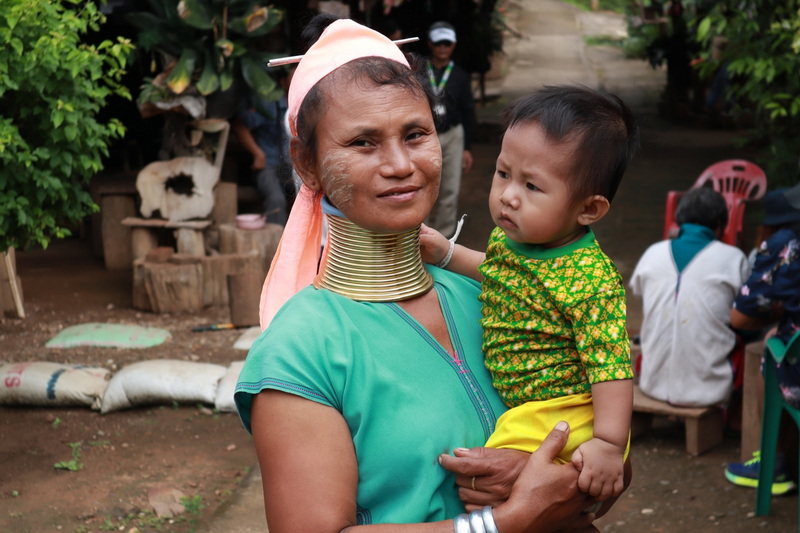
A Karen Long Neck Village may be organized around tourism, but that does not make every resident available for inspection or conversation. Photography should be requested before taking portraits, especially close-up photographs. A polite refusal should be accepted immediately. Travelers can also look beyond the most recognizable feature by learning about weaving, food, family life, language, faith, and community decisions rather than allowing one practice to define an entire population.
The phrase Karen And Karen Longneck Hill Tribe can appear in travel searches, yet it may blur important distinctions. A careful Karen And Karen Longneck Hill Tribe Travel Guide should explain that the label is a tourism term rather than a complete description of Karen diversity. When choosing a visit, look for specific information about the community, local participation, and the purpose of the encounter.
What Chiang Mai Tour Packages May Offer
A Chiang Mai Tour Package that mentions hill tribe communities can take several forms. Some programs are centered on cultural interpretation and a village visit. Others combine a village with broader regional sightseeing, a craft activity, or time for purchasing locally made products. Community-based options may place greater emphasis on local guides, resident-led demonstrations, or explanations of how tourism revenue is shared. The exact content varies, so travelers should read the description carefully rather than assuming every package includes the same experience.
A shorter cultural outing may suit visitors who want an introduction without a tightly packed itinerary. A more focused village program may allow additional time for conversation, craft learning, or understanding local history, provided those activities are arranged with consent. Travelers who prefer deeper context can ask whether the guide has a relationship with the community and whether interpretation is delivered in a way residents have approved.
Some Chiang Mai package tours use the words cultural, authentic, or traditional as marketing language. These words alone do not establish ethical standards. Before booking, ask whether the community receives direct economic benefit, whether photography rules are explained, whether shopping is optional, and whether the program avoids pressuring residents to perform. It is also reasonable to ask how the operator handles feedback from local people.
There is no universally best format. A Chiang Mai Tour Package should be judged by clarity, consent, local benefit, and the quality of its explanation. A package that offers fewer stops but more respectful interpretation may be more meaningful than one that treats several villages as quick photo opportunities. Since schedules, operators, and inclusions can change, travelers should confirm current details directly before making arrangements.
How to Approach a Village Visit Respectfully
Begin with the understanding that a village is a home and workplace, not a stage. Stay within areas that visitors are invited to enter, follow the guide’s instructions, and avoid opening doors, touching belongings, or entering religious and household spaces without permission. Modest clothing and a calm manner are appropriate, particularly when visiting places connected with worship or family life.
Consent should guide every interaction. Ask before taking photographs, recording conversations, or photographing children. Do not assume that buying a product gives permission to photograph the person who made it. If a resident does not speak with visitors, respect that choice. A guide can help explain cultural context, but a guide cannot grant unlimited access to everyone in the community.
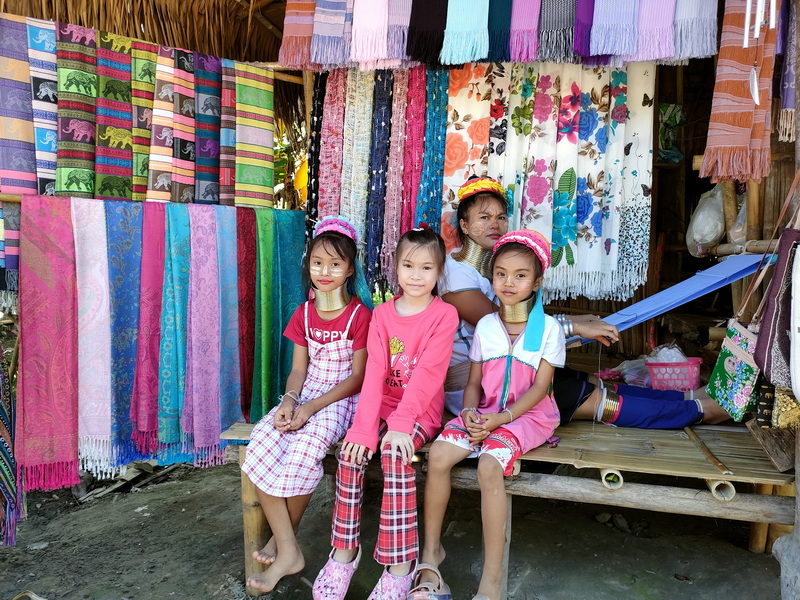
Purchasing locally made goods can support household income, but shopping should remain voluntary and transparent. Travelers may ask who made an item, whether the seller is part of the community, and whether prices are clearly stated. Bargaining aggressively over a small handmade product can undermine the value of time and skill involved. At the same time, responsible tourism does not require buying something in order to prove appreciation.
Be cautious with language that describes people as untouched, primitive, or exotic. Such terms can make living communities seem frozen in the past and can hide their contemporary choices. More useful questions concern how tourism affects daily life, what residents want visitors to understand, and how communities balance cultural continuity with new opportunities. Respectful curiosity leaves room for answers that may challenge a traveler’s expectations.
Questions to Ask Before Choosing a Visit
A thoughtful booking decision begins with practical questions. Ask which community or communities the program visits, how long the visit lasts, and whether the activity is hosted or approved by local residents. Request a clear description of what travelers will do, rather than relying on broad promises about an authentic experience. If the operator cannot explain the arrangement, that uncertainty is relevant.
It is also useful to ask how guides are selected and paid, whether village fees or community contributions are included, and whether guests are encouraged to purchase goods. No operator can guarantee that every encounter will feel personal or spontaneous, and ethical programs should not promise access to private life. Clear limits are a positive sign because they protect both residents and visitors.
For independent-minded travelers, comparing several options can reveal differences in emphasis. One program may prioritize cultural education, another may focus on handicrafts, and another may include only a brief stop. Reading recent descriptions and checking current conditions is important because services can change. Avoid selecting a tour solely because its advertising uses dramatic images or presents people as an attraction.
The best preparation is cultural as well as logistical. Learn a little about Northern Thailand’s communities, consider what questions are appropriate, and set aside assumptions formed by social media. A visit becomes more valuable when the traveler listens carefully, accepts boundaries, and understands that the community’s right to ordinary private life matters more than completing a checklist of photographs.
A Last Look at the Journey
The diversity of Northern Thailand’s villages is a reason to slow down, not a reason to collect experiences quickly. Karen communities, including those associated with Karen Longneck Village visits, deserve to be understood as living communities with varied histories and present-day priorities. Whether a traveler chooses a Chiang Mai Tour Package or arranges a cultural visit through another responsible channel, the guiding principles remain consistent: seek clear local participation, ask for consent, avoid spectacle, and respect privacy. A careful choice can turn a village visit from a passive sightseeing stop into a more balanced exchange grounded in dignity and attention.

No comments:
Post a Comment