Exploring Waterfalls in Chiang Mai with a Focus on Huai Kaew Waterfall
A practical overview of Chiang Mai’s waterfalls and tours highlighting Huaikaew Waterfall and nearby cultural sites
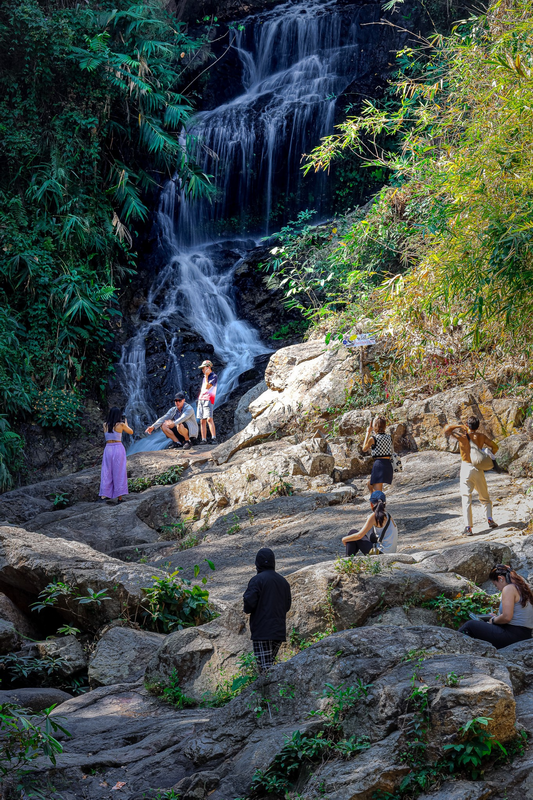
Nestled within the lush landscapes of Mueang Chiang Mai District, Huai Kaew Waterfall offers visitors a refreshing natural escape just a short distance from the city center. This waterfall, known by several variations of its name including Huay Kaew Waterfall and Huaikaew Waterfall, is a notable feature among the many waterfalls in Chiang Mai. Its accessibility and serene environment make it a favored spot for travelers seeking both nature and convenience. Chiang Mai itself is renowned for its variety of waterfalls, each presenting unique natural features and ecosystems. From hidden cascades to well-known swimming spots, the waterfalls here provide diverse experiences for nature lovers and adventure seekers alike. Tours in Chiangmai often include visits to these natural attractions, combining them with cultural excursions to enrich the travel experience. This article provides an overview of waterfalls in Chiang Mai with a special focus on Huaikaew Waterfall. It also explores the types of tours available, nearby cultural landmarks such as Wat Pha Lad and Wat Phra That Doi Suthep, and practical considerations for travelers planning their visits. Whether you are an independent traveler or part of an organized tour, understanding the interplay between natural and cultural sites will enhance your appreciation of this region.
Introducing Huai Kaew Waterfall and Its Natural Appeal
Huai Kaew Waterfall, located in the Mueang Chiang Mai District, is a refreshing retreat within the city’s vicinity. Unlike some remote waterfalls that require extensive trekking, Huai Kaew is easily reachable, making it accessible for day trips or short excursions. The waterfall cascades gently over rocks, surrounded by verdant forest that supports a diverse range of flora and fauna native to northern Thailand. Travelers researching Tours Chiangmai can use these details when planning the trip.
The waterfall’s moderate flow and natural pools provide visitors with opportunities to enjoy the cool waters, especially during the warmer months. Its setting within a protected green area also makes it a peaceful spot for relaxation and nature observation. Visitors should note that while swimming is possible, safety and environmental respect are paramount to preserve the site’s integrity.
Huai Kaew Waterfall is often included in itineraries that emphasize both natural beauty and cultural immersion, due to its proximity to important temples and other attractions. This combination allows travelers to experience a balanced day of outdoor activity and cultural exploration.
Waterfalls in Chiang Mai: A Diverse Natural Landscape
Chiang Mai is home to a variety of waterfalls ranging from small cascades tucked away in forests to larger, more dramatic falls. These waterfalls vary in accessibility, visitor infrastructure, and natural surroundings, offering options for all types of travelers. Some of the most popular waterfalls include Mae Sa, Bua Thong (Sticky Waterfall), and Mok Fa, each with distinctive features.
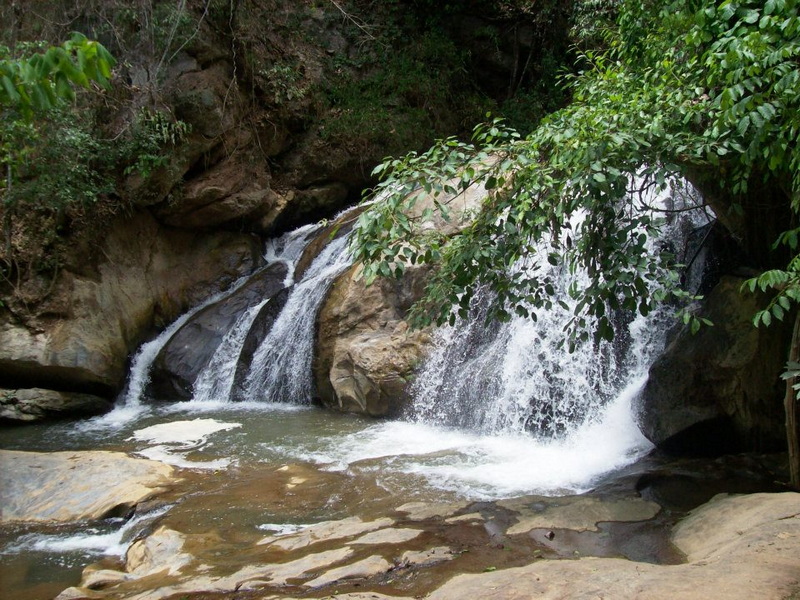
Many waterfalls in the region are part of national parks or protected areas, ensuring conservation efforts are in place to maintain their ecological health. The waterfalls contribute to local biodiversity and serve as important water sources for surrounding communities and wildlife.
Tours in Chiangmai frequently incorporate visits to multiple waterfalls, allowing travelers to experience different environments and levels of adventure. Some tours focus on hiking and swimming, while others emphasize photography and nature appreciation. For those interested in a more relaxed pace, waterfalls like Huai Kaew offer natural beauty with minimal exertion.
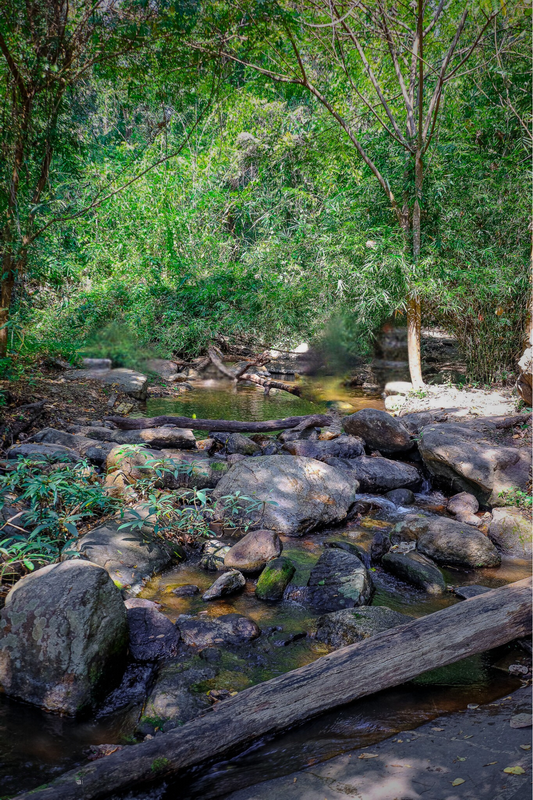
Tours Chiangmai: Combining Nature and Culture
Tour options in Chiangmai cater to a wide range of interests, from active hiking and waterfall swimming to cultural temple visits. Many tour operators offer day trips that include stops at waterfalls such as Huai Kaew alongside visits to notable cultural sites. This approach provides a comprehensive experience of northern Thailand’s natural and spiritual heritage.
Waterfall tours typically include informative guides who explain the ecological significance of the sites and offer practical advice on safety and environmental respect. Visitors are encouraged to wear appropriate footwear and bring essentials like water and insect repellent due to the natural terrain and climate.
Cultural tours paired with waterfall visits often feature nearby temples like Wat Pha Lad and Wat Phra That Doi Suthep, which hold important historical and religious significance for the local community. These combined tours offer insights into the region’s spiritual traditions while allowing time to enjoy the natural surroundings.
Travelers planning tours should consider transportation logistics, the level of physical activity involved, and the season, as water levels and trail conditions can vary. Early morning departures are common to avoid crowds and enjoy cooler temperatures.
Nearby Attractions: Wat Pha Lad and Wat Phra That Doi Suthep
Wat Pha Lad is a serene temple located near Huai Kaew Waterfall, known for its peaceful atmosphere and integration with the surrounding forest. The temple grounds offer shaded walking paths and opportunities to observe local monks in daily practice. Visitors often combine a visit here with a trip to the waterfall, appreciating the harmony between spiritual and natural environments.
Wat Phra That Doi Suthep is one of Chiang Mai’s most revered temples, perched on Doi Suthep mountain overlooking the city. This temple is a significant pilgrimage site and cultural landmark, featuring intricate architecture, golden pagodas, and panoramic views. It is accessible via a winding road and a stairway that is often part of guided tours.
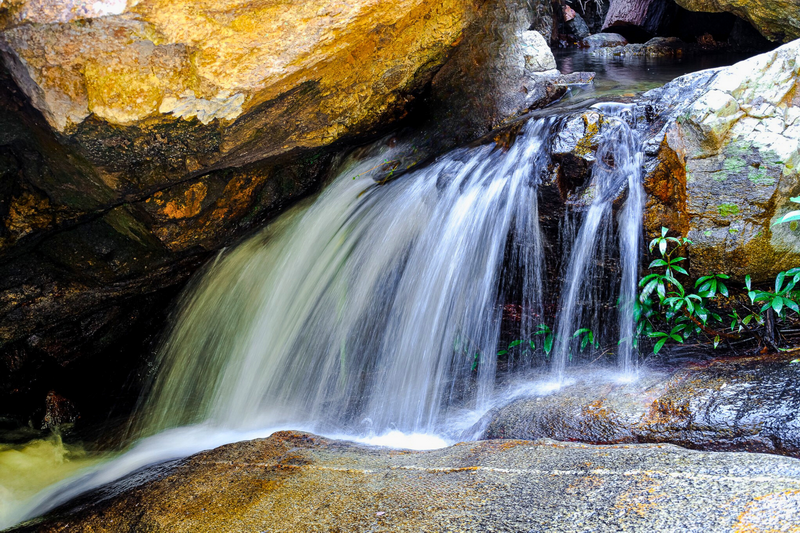
Both temples provide cultural context to the natural experiences found at Huai Kaew Waterfall and other waterfalls in the region. Respectful behavior is essential when visiting these sites, including appropriate dress and quiet observation of religious practices.
Visitor Considerations for Planning Waterfall Tours in Chiang Mai
When planning visits to waterfalls like Huai Kaew, travelers should account for seasonal variations. The rainy season, typically from May to October, brings higher water flow and lush surroundings but may also lead to slippery trails and limited accessibility. The dry season offers easier hiking conditions but reduced water volume.
Safety is a key consideration. Water currents can be unpredictable, and rocks may be slippery. Visitors should heed local advice, avoid swimming in restricted areas, and supervise children closely. Carrying basic first aid supplies is advisable.
Environmental responsibility is crucial to preserving these natural sites. Visitors should avoid littering, refrain from disturbing wildlife, and stick to marked paths to minimize impact. Supporting local conservation efforts and respecting cultural sites nearby contributes to sustainable tourism.
For those interested in tours, booking with reputable operators who prioritize safety and cultural sensitivity enhances the experience. Independent travelers should prepare with maps, local information, and appropriate gear to ensure a comfortable and rewarding visit.
Nearby Attractions
Wat Pha Lad
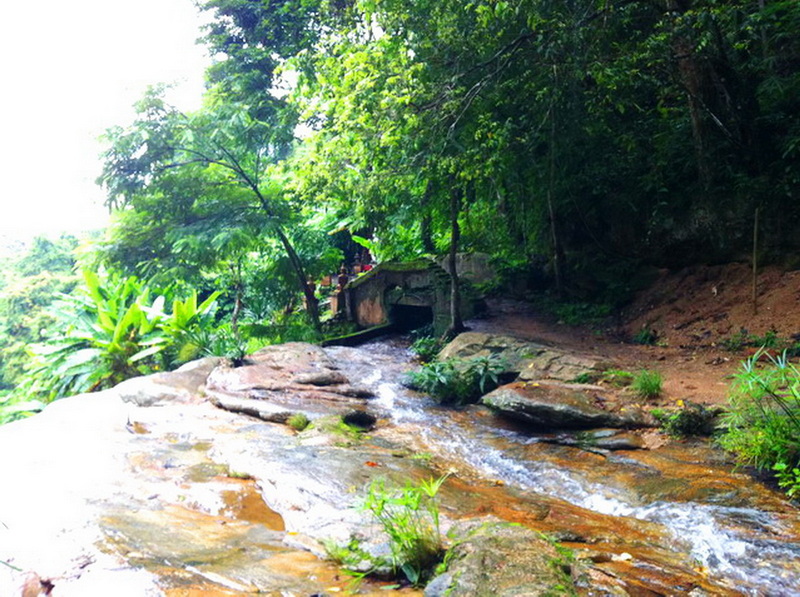
Wat Pha Lad is a tranquil Buddhist temple nestled in the forest near Huai Kaew Waterfall. Its peaceful setting offers a welcome contrast to the busier city areas, with shaded paths and meditation spots that invite quiet reflection. The temple’s integration with nature highlights the traditional Thai respect for harmony between spirituality and the environment.
Visitors to Wat Pha Lad often appreciate the opportunity to observe monastic life and participate in temple ceremonies if timing allows. The temple is accessible by a short walk from the waterfall area, making it a convenient cultural stop during a nature-focused day trip.
Wat Phra That Doi Suthep
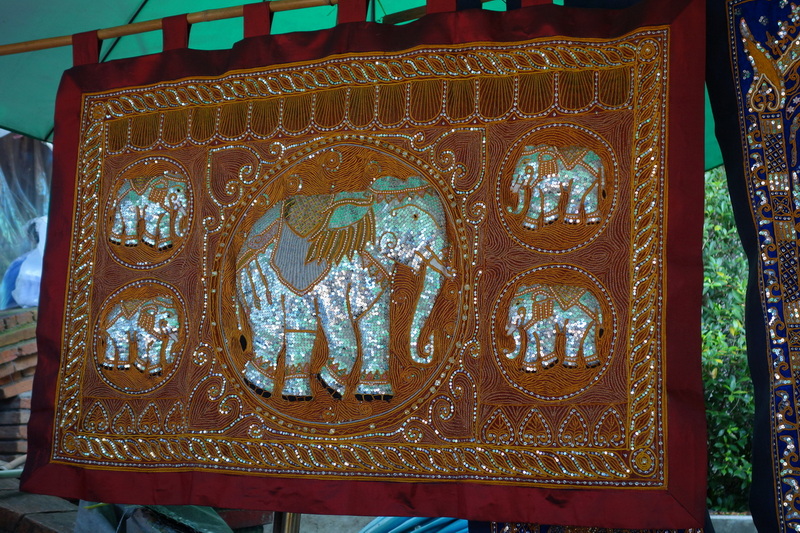
Wat Phra That Doi Suthep is a landmark temple located on the mountain overlooking Chiang Mai. It is one of the most important religious sites in northern Thailand, attracting both pilgrims and tourists. The temple complex features impressive architecture, golden spires, and detailed carvings that reflect Lanna culture.
The temple’s elevated position offers sweeping views of Chiang Mai city and the surrounding landscape. Visitors often combine a visit here with nearby natural attractions, including waterfalls, to experience a blend of cultural heritage and natural beauty. Respectful attire and behavior are required, as the temple remains an active place of worship.
A Last Look at the Journey
Huai Kaew Waterfall serves as a convenient and refreshing natural destination within Chiang Mai, offering an approachable experience of the region’s waterfalls. When combined with visits to nearby cultural sites like Wat Pha Lad and Wat Phra That Doi Suthep, travelers gain a well-rounded perspective of northern Thailand’s rich natural and spiritual heritage. Careful planning regarding season, safety, and cultural respect will ensure a rewarding visit. Whether joining organized tours or exploring independently, appreciating the balance of nature and culture enhances the enjoyment of this unique area.

No comments:
Post a Comment