Chiang Mai Monkey Show and Animal Farms Around Mae Rim
A thoughtful Mae Rim route for curious travelers who value nature, context, and responsible animal encounters
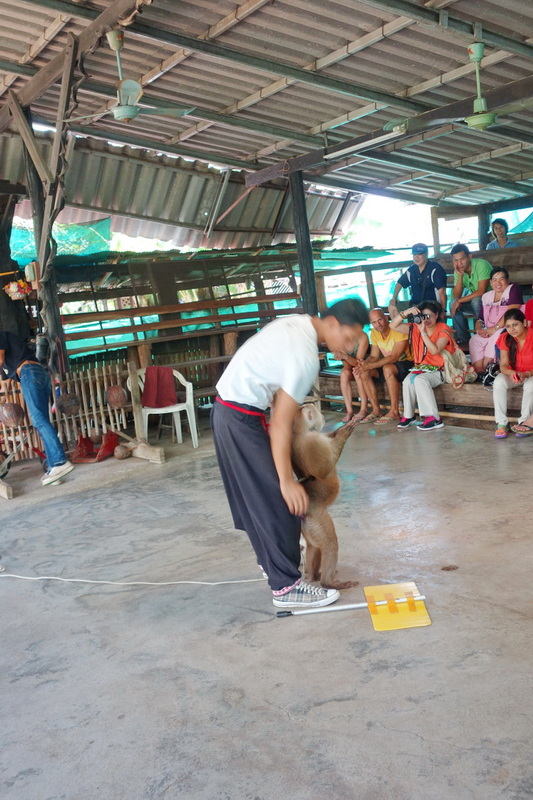
Mae Rim District, Chiang Mai, is a useful starting point for travelers who want to look beyond the city center and explore a greener side of northern Thailand. The Chiang Mai Monkey School is often included in this wider landscape of animal attractions and countryside visits. Rather than treating a visit as a quick spectacle, it is more rewarding to consider how the setting, the animals, and the surrounding attractions shape the experience. This guide approaches Monkey School Thailand as one stop within a broader nature-oriented outing. It explains what visitors may encounter, how to think about animal welfare, and how to prepare for a day that can include farms, gardens, and other attractions around Mae Rim. Conditions, presentations, and visitor arrangements can change, so travelers should confirm current details directly before setting out. The emphasis is on observation and readiness rather than a fixed package. Whether you are researching a Chiang Mai Monkey School Travel Guide or comparing regional excursions, the most useful plan leaves room for respectful behavior, comfortable travel, and an honest understanding that animal encounters should never be separated from welfare considerations.
Starting with the Mae Rim Landscape
Mae Rim District lies north of Chiang Mai and is known for a more open, semi-rural character than the urban center. Roads in the district connect gardens, farms, nature sites, and visitor attractions, creating a setting where a short visit can become part of a larger countryside exploration. The journey itself may include views of cultivated land, wooded hills, and local communities, depending on the route taken.
The location matters because it changes the rhythm of the day. A visitor is not simply moving between indoor attractions in town; outdoor conditions, road travel, heat, and walking surfaces can all influence comfort. Travelers considering a Chiang Mai Monkey School Mae Rim visit should allow enough time for pauses and should avoid planning too many unrelated stops without checking distances first.
For nature lovers, this regional context is as important as the attraction name. Animal farms and gardens can introduce visitors to different forms of land use, while the surrounding countryside provides a reminder that tourism takes place within working communities. Quiet observation, modest clothing, and awareness of noise are appropriate ways to respect the setting.
Understanding the Chiang Mai Monkey School Experience
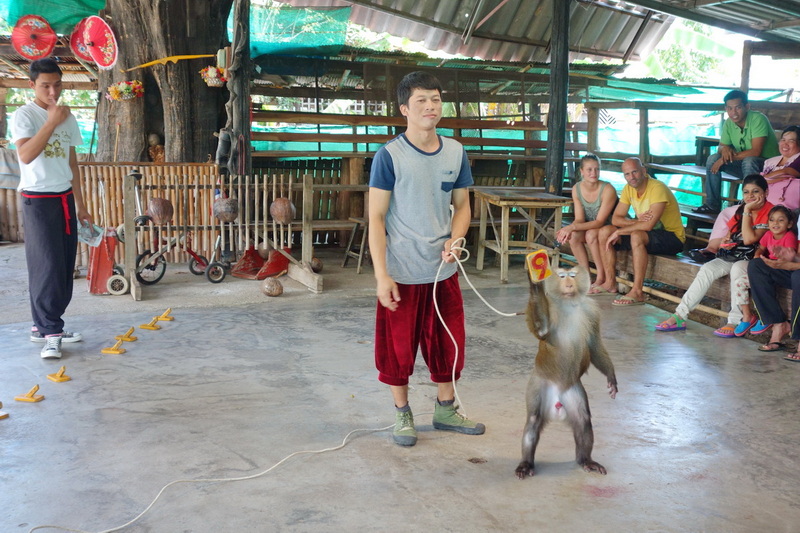
The Chiang Mai Monkey School is associated with demonstrations involving trained monkeys and is commonly discussed under the Chiang Mai Monkey Show name. Visitors may be curious about the animals’ abilities, training, and relationship with handlers. A responsible visit, however, should include more than watching a performance. It should encourage questions about housing, handling, rest, food, veterinary care, and whether the animals appear calm and healthy.
Animal behavior can be easy to misread in a tourism setting. A quiet animal is not automatically a contented animal, and a performance does not explain the conditions outside the viewing area. Visitors should avoid shouting, sudden movements, teasing, touching animals without clear permission, or attempting to feed them. Flash photography and close approaches may also cause stress, particularly when an animal is resting or being moved.
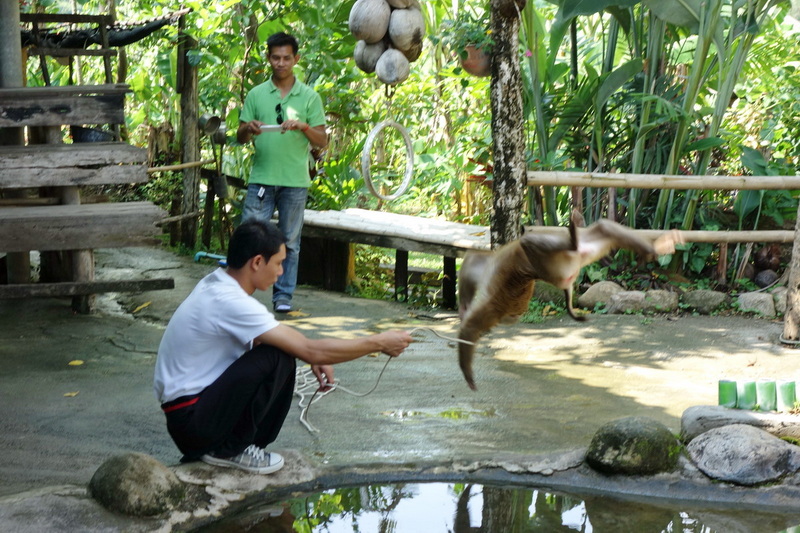
A Chiang Mai Monkey School Visitor Guide is most useful when it prepares travelers to observe critically and respectfully. Look for clear boundaries between guests and animals, attentive handlers, access to shade or shelter, clean water, and signs that the animals are not being pushed beyond their limits. If a situation appears uncomfortable, stepping back or choosing not to participate is a reasonable decision.
The experience may appeal to families, photographers, and travelers interested in the history of animal training in Thailand, but expectations should remain flexible. Current presentations, access arrangements, and visitor policies can vary. Confirming the latest information before travel is more reliable than assuming that a description from an older itinerary still applies.
Animal Farms in Chiang Mai and the Wider Day
Animal Farms in Chiang Mai cover a broad range of experiences, from educational settings to family-oriented attractions and working agricultural spaces. They are not all alike, and the label should not be taken as a guarantee of high welfare standards. Before choosing a stop, consider whether the attraction explains its care practices, limits direct contact, and gives animals opportunities to retreat from visitors.
A useful day plan starts with purpose. Someone interested in photography may prefer quiet observation and natural surroundings, while a family may need shorter walking distances and shaded rest points. A traveler combining several stops should consider transport time, weather, and the possibility that animals are less active during hotter parts of the day. Comfortable shoes, sun protection, drinking water, and light clothing can make an outdoor route easier.
Trekking readiness is also relevant around Mae Rim, even when the main plan is not a hike. Some visits involve uneven paths, steps, damp ground, or brief walks between parking areas and exhibits. Visitors with mobility concerns should ask about surfaces and access in advance. Those planning a longer countryside route should carry only what they need and keep valuables secure without distracting from awareness of traffic and surroundings.
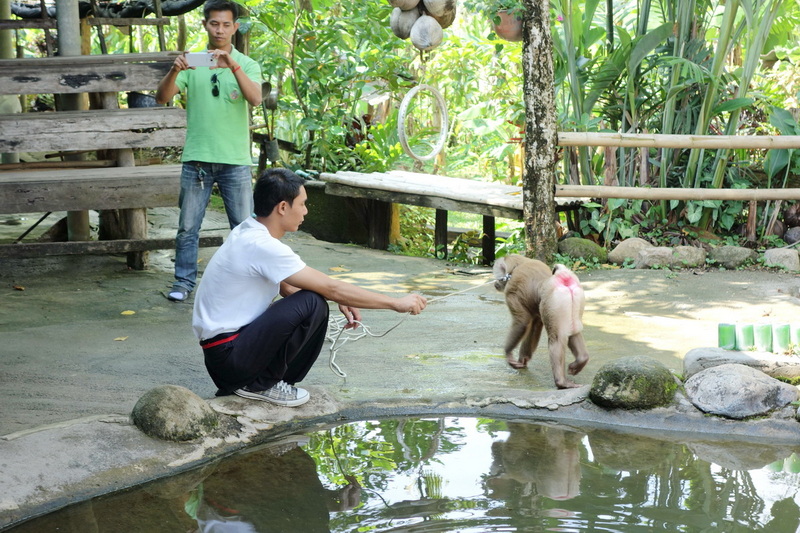
Travelers comparing Tours Chiangmai should look closely at what an itinerary actually includes rather than choosing solely by the number of attractions. A smaller route with realistic travel time may offer more opportunity to pause, learn, and behave responsibly. If a tour places several animal encounters back-to-back, ask whether the schedule allows animals and visitors a comfortable pace and whether participation is optional.
Making Ethical Choices During the Visit
Responsible tourism begins before arrival. Read current visitor information, check whether the attraction describes animal care, and decide in advance which activities you are unwilling to support. Do not assume that every advertised interaction is necessary for a meaningful visit. Watching from a respectful distance can be more appropriate than holding, feeding, or posing with an animal.
Observe the people as well as the animals. Handlers should be able to control the environment without harsh treatment, and staff should provide clear instructions to guests. Repeated signs of fear, forced contact, visible injury, inadequate shelter, or constant crowd pressure deserve caution. Visitors are not expected to conduct a formal inspection, but they can make informed choices and share concerns through appropriate channels.
Cultural respect is part of the same responsibility. The attraction operates within a Thai community and tourism economy, so visitors should avoid mocking local customs or treating workers and residents as part of a performance. Ask permission before photographing people, follow posted rules, and remember that a rural landscape is also a lived and working environment.
The phrase Visit Chiang Mai Monkey School can suggest a simple sightseeing task, but a thoughtful visit is more reflective. It asks what the attraction communicates about human-animal relationships and what kind of tourism the traveler is supporting. This approach does not require hostility toward every animal presentation; it requires attention, restraint, and willingness to leave an activity that conflicts with personal welfare standards.
Connecting the School with Nearby Stops
The Chiang Mai Monkey School can serve as an anchor for a wider Mae Rim exploration, especially for visitors who enjoy contrasting environments. A garden attraction offers a plant-focused setting, while a large wildlife attraction raises different questions about enclosure design, public education, and animal care. Seeing these places as separate experiences prevents the day from becoming a rushed sequence of similar photo opportunities.
Before combining stops, check the current location details and transport practicality. Map distances may not reflect traffic, road conditions, or time spent walking inside each attraction. A private vehicle, hired driver, or organized excursion may offer different levels of flexibility, while public transport options can require more planning in rural areas. Do not rely on an assumed timetable when an attraction’s operating information has not been confirmed.
A simple route can include one principal visit, one nearby attraction, and time for a meal or rest without turning the day into a race. Keep noise low, secure personal belongings, and follow instructions around animals and plants. If rain or heat changes the conditions, adjusting the plan is wiser than forcing every intended stop.
For travelers searching Chiang Mai Monkey School Attractions, the most memorable elements may be the landscape and the chance to think carefully about tourism, not merely the number of photographs collected. A slower itinerary gives visitors more room to notice local surroundings and make choices consistent with conservation, animal welfare, and community respect.
Nearby Attractions
Chiang Mai Orchid Farms
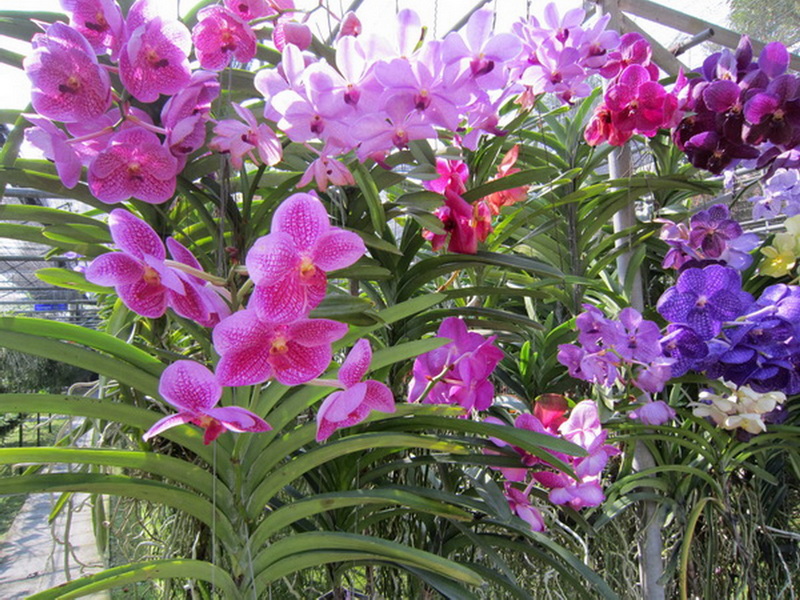
Chiang Mai Orchid Farms provide a plant-centered contrast to the animal-focused setting of the school. Orchids are associated with Thailand’s tropical horticultural traditions, and a farm visit can encourage close observation of color, form, cultivation, and the work required to maintain delicate plants. The experience may suit travelers who want a quieter pause in a Mae Rim itinerary.
Visitors should treat the farm as a working horticultural environment rather than only a photo backdrop. Stay on permitted paths, avoid touching blooms, and follow instructions about photography and plant areas. Because conditions and access can vary, confirm current visitor information before combining the farm with another stop.
Tiger Kingdom Chiang Mai
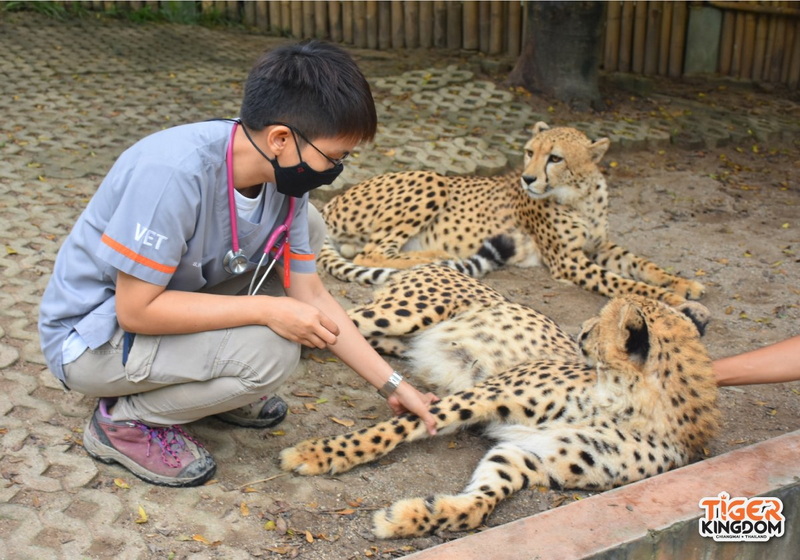
Tiger Kingdom Chiang Mai is a separate wildlife attraction that may appear in regional itineraries alongside the monkey school. Its presence gives travelers an opportunity to consider how different species are presented to visitors and what questions should be asked about enclosure space, handling, breeding, veterinary care, and visitor contact. The name alone should not determine whether the experience fits an individual’s ethical standards.
Anyone considering a visit should review current welfare information and participation policies before traveling. Avoid pressuring yourself into close-contact activities, respect barriers and staff instructions, and observe whether animals have shade, privacy, and room away from crowds. Combining this stop with the Chiang Mai Monkey School is possible only if the route, travel time, and personal comfort all make sense.
A Last Look at the Journey
A visit to the Chiang Mai Monkey School can be part of a rewarding Mae Rim outing when it is approached with curiosity rather than unquestioning excitement. Consider the attraction within its rural setting, compare animal farms carefully, and choose nearby stops that suit your pace. The best plan is flexible: confirm current arrangements, prepare for heat and walking, and treat animals, workers, residents, and the landscape with respect. That mindset turns a simple excursion into a more informed experience of northern Thailand.

No comments:
Post a Comment