Sunday, August 2, 2026

Khantoke Dinner with Food Tours, Attractions, and Night Activities in Chiang Mai

Khantoke Dinner with Food Tours, Attractions, and Night Activities in Chiang Mai

Discover the rich flavors and cultural charm of Khantoke dinner alongside Chiang Mai’s top food tours, attractions, and vibrant night activities
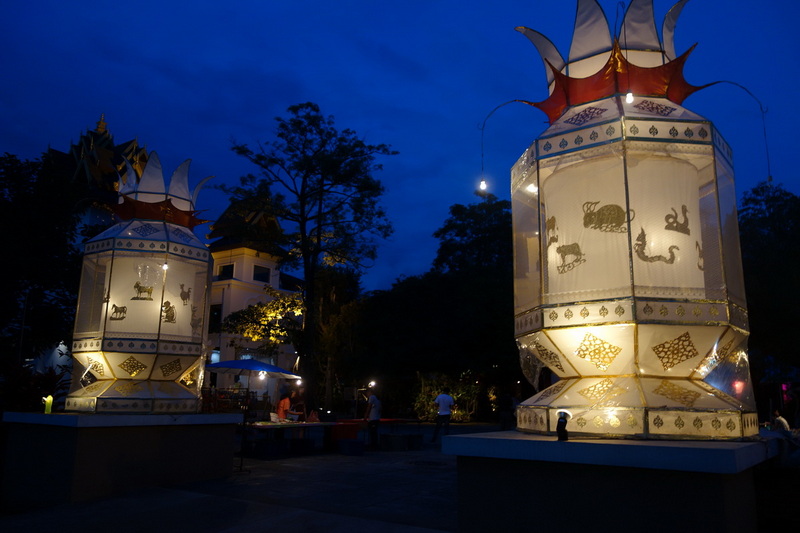
Night view of decorative illuminated lanterns with animal motifs and trees around at Khantoke Dinner.

Chiang Mai is a city where rich cultural heritage and vibrant modern life blend seamlessly, and one of the best ways to experience this is through the traditional Khantoke dinner. This unique dining experience immerses visitors in Northern Thailand’s Lanna culture, presenting an opportunity to savor authentic dishes served in a communal, low-table setting. Far more than just a meal, Khantoke dinner offers a window into local customs, music, and dance, making it a must-try for travelers seeking deeper cultural understanding. Beyond the Khantoke dinner itself, Chiang Mai offers a variety of food tours that highlight this tradition while also introducing visitors to an array of Northern Thai flavors. These tours often combine visits to bustling night markets, local eateries, and cultural performances, painting a comprehensive picture of Chiang Mai’s culinary landscape. Alongside food, the city’s attractions and night activities provide enriching experiences that complement the dining adventure, from historic temples to lively evening entertainment. For first-time visitors and seasoned travelers alike, combining Khantoke dinner with Chiang Mai food tours, popular attractions, and night activities creates an unforgettable journey through the city’s heritage and nightlife. This guide explores how to weave these experiences together, offering practical insights and cultural context to help you plan an enriching trip.

Experiencing Khantoke Dinner Through Chiang Mai Food Tours

Khantoke dinner is a traditional Northern Thai meal served on a low, round table called a 'khantoke.' This style of dining is deeply rooted in Lanna culture, where families and guests gather to share a variety of dishes in a warm, communal atmosphere. When included in Chiang Mai food tours, the Khantoke experience often starts with a brief introduction to the origins of the meal and its significance in local ceremonies and celebrations. Travelers researching Attractions In Chiang Mai can use these details when planning the trip. Travelers researching Night Activities In Chiang Mai can use these details when planning the trip.

Food tours featuring Khantoke dinner typically showcase a range of Northern Thai specialties such as sticky rice, spicy dips, grilled meats, and fresh vegetables, all of which reflect the region’s agricultural heritage. These tours may also incorporate demonstrations of traditional cooking methods or visits to local markets where ingredients are sourced. This immersive approach allows visitors to appreciate the flavors alongside the stories and traditions behind them.

Many food tours blend Khantoke dinner with cultural performances, including traditional Lanna music and dance, enhancing the sensory experience. This combination makes the meal not only a culinary delight but also a cultural showcase, providing insight into Chiang Mai’s artistic heritage. Tour guides often emphasize respectful participation and understanding of customs, ensuring visitors enjoy an authentic and meaningful encounter.

Exploring Key Attractions in Chiang Mai

While Khantoke dinner offers a taste of local culture, Chiang Mai’s attractions provide a broader context for the city’s history and lifestyle. Among the most popular sites are ancient temples such as Wat Phra Singh and Wat Chedi Luang, which display exquisite Lanna architecture and religious art. Visiting these temples offers a glimpse into the spiritual life that has shaped Chiang Mai for centuries.
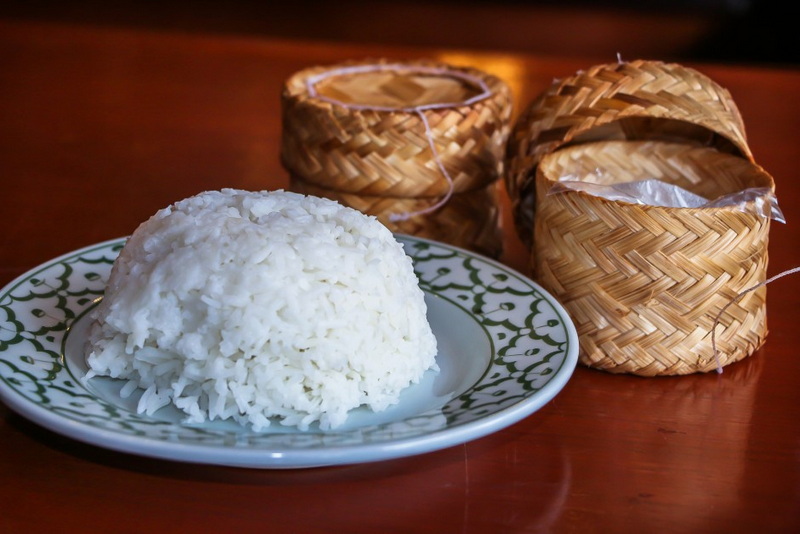
White sticky rice on a decorative plate with bamboo containers nearby at Khantoke Dinner.

The Old City area is a focal point for cultural attractions, where visitors can stroll through narrow streets lined with traditional buildings, quaint cafes, and artisan shops. This area often features in food tours, allowing travelers to combine sightseeing with sampling local delicacies. Open-air markets and craft centers nearby showcase Northern Thai handicrafts, emphasizing the region’s artistic traditions.

For a more relaxed experience, visitors can explore parks and gardens scattered throughout the city or visit museums that delve into Lanna history and culture. These attractions enrich a traveler’s understanding of Chiang Mai beyond its culinary offerings, creating a well-rounded itinerary that balances food with sightseeing.

Night Activities in Chiang Mai That Complement Dining and Sightseeing

Chiang Mai’s nightlife extends far beyond its famous night markets. After enjoying a Khantoke dinner or a food tour, visitors can explore a variety of night activities that highlight the city’s lively evening atmosphere. These include cultural shows featuring traditional music and dance, which often take place in venues near popular dining areas.

For those interested in more casual entertainment, night markets such as the Sunday Walking Street offer a vibrant mix of street food, crafts, and live performances. These markets provide an excellent opportunity to sample additional local snacks and interact with artisans and performers in a relaxed setting.

Another popular night activity is a guided evening tour that combines sightseeing with food sampling, allowing visitors to see illuminated temples or city landmarks while discovering new flavors. These tours often include stops at local bars or cafes known for their unique ambiance, blending cultural interest with social experiences.
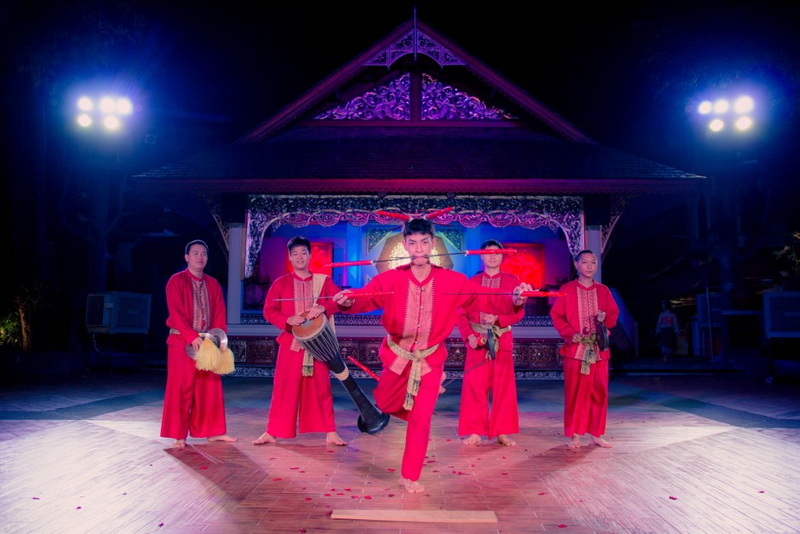
Performers in traditional costumes on stage during a cultural performance at night at Khantoke Dinner.

In addition, some venues host workshops or interactive events in the evening, such as traditional dance lessons or cooking classes, which deepen engagement with local culture and cuisine. These activities are ideal for travelers seeking to extend their Khantoke dinner experience into a full night of cultural immersion.

How to Combine Khantoke Dinner, Food Tours, Attractions, and Night Activities

Planning a trip that includes Khantoke dinner alongside food tours, attractions, and night activities can be a rewarding way to experience Chiang Mai’s diverse offerings. A practical approach is to schedule a Khantoke dinner in the early evening, as many food tours and cultural shows are timed to coincide with dinner hours. This allows visitors to enjoy the meal while watching traditional performances.

Daytime can be reserved for exploring key attractions such as temples and museums, providing cultural context that enriches the evening’s dining experience. Combining visits to the Old City and nearby artisan markets with afternoon food tastings or cooking demonstrations helps build anticipation for the Khantoke dinner.

Night activities are best chosen based on personal interests and energy levels after the dinner. For those who prefer a lively atmosphere, walking through night markets or attending cultural shows offers stimulating entertainment. Alternatively, guided evening tours can provide a more structured way to see the city’s illuminated sights and sample street food.
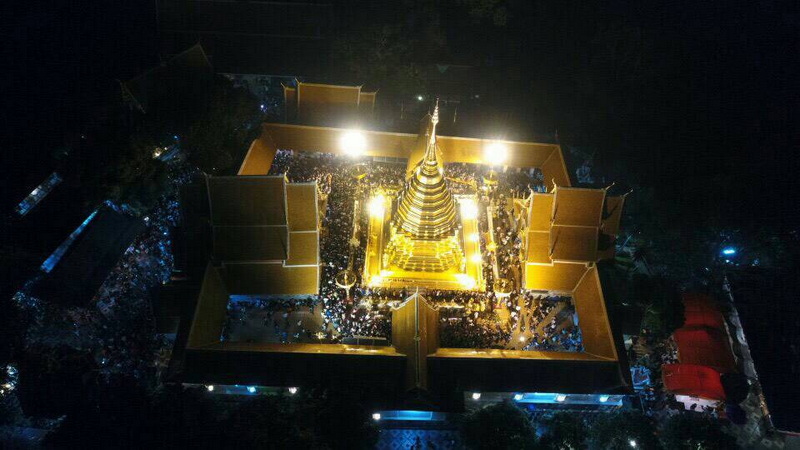
A golden stupa with surrounding walls illuminated at night from an aerial view at Things to Do in Chiang Mai at Night.

Flexibility is key to making the most of these experiences. Many tours and activities can be booked separately or as part of packages, allowing travelers to tailor their itinerary. Engaging with local guides or tour operators familiar with Khantoke dinner and the city’s attractions can enhance planning and ensure a smooth, enjoyable journey.

Understanding the Cultural Significance of Khantoke Dinner

Khantoke dinner is more than just a meal; it is a cultural ritual that reflects the values of hospitality, community, and tradition in Northern Thailand. Historically, the khantoke was used in royal courts and among wealthy families during important ceremonies and festivals. Today, it remains a symbol of Lanna heritage and is often featured in celebrations such as weddings, religious ceremonies, and cultural events.

The meal’s structure encourages sharing and conversation, reinforcing social bonds among participants. The dishes served typically represent the agricultural bounty of the region, highlighting seasonal ingredients and traditional recipes passed down through generations. This connection to the land and history is a vital aspect of the Khantoke experience.

Participating in a Khantoke dinner allows visitors to appreciate Northern Thai culture with respect and understanding. Guides and hosts often explain the meanings behind the food and customs, fostering cultural exchange rather than mere observation. This respectful presentation ensures that the tradition is honored and that travelers gain meaningful insight into Chiang Mai’s heritage.

A Last Look at the Journey

Combining Khantoke dinner with Chiang Mai food tours, attractions, and night activities offers travelers a rich tapestry of experiences that celebrate the city’s culinary and cultural heritage. Whether savoring traditional dishes around a khantoke table, exploring historic temples by day, or immersing in vibrant night markets and performances, visitors can craft an itinerary filled with discovery and delight. This blend of food, culture, and entertainment not only satisfies the palate but also deepens appreciation for Chiang Mai’s unique identity, leaving lasting memories and a desire to return.

Saturday, August 1, 2026

Top Night Markets In Chiang Mai with Night Food Tours and Must Visit Places

Top Night Markets In Chiang Mai with Night Food Tours and Must Visit Places

Discover vibrant night markets, delicious food tours, and essential places to explore after dark in Chiang Mai

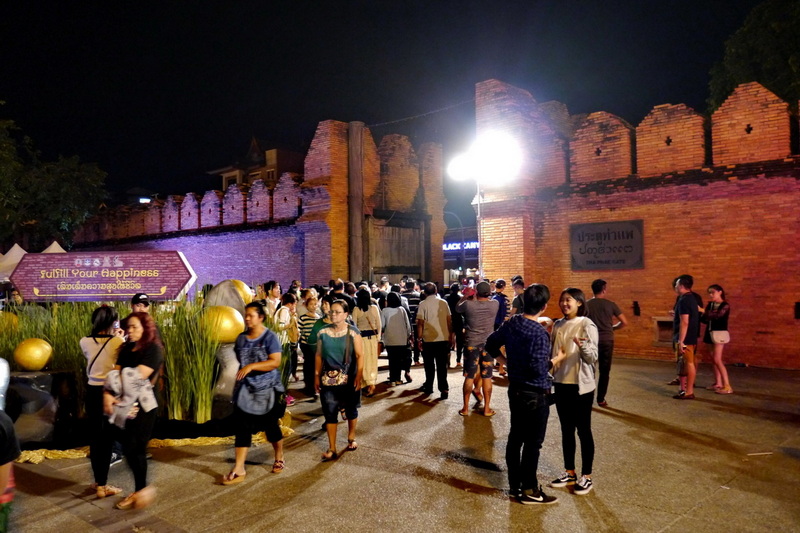
Crowd gathered outside a brick wall at night under bright lights at Top Night Markets In Chiang Mai.

Chiang Mai’s night markets are more than just shopping venues; they are vibrant hubs where food, culture, and community come alive after sunset. For travelers seeking an authentic evening experience, exploring these markets through a Chiang Mai Night Food Tour offers a delightful way to taste local flavors while immersing in the lively atmosphere. Each market presents its own unique charm, from street food stalls to artisan crafts, making them top destinations for visitors who want to experience the heart of the city at night. Beyond the stalls and aromas, these night markets are gateways to some of the Must Visit Places In Chiang Mai, allowing visitors to combine culinary adventures with cultural and historical exploration. Whether you’re wandering through the famous night bazaars or discovering lesser-known local markets, there are plenty of Things to Do in Chiang Mai at Night that go beyond shopping. This guide highlights the best night markets, the food tours that enhance the experience, and nearby attractions that complement your evening itinerary, ensuring a well-rounded and unforgettable visit.

Overview of Chiang Mai’s Top Night Markets

Chiang Mai boasts several renowned night markets, each offering a unique atmosphere and selection of goods. The most famous among these is the Night Bazaar, a sprawling market known for its wide variety of handicrafts, clothing, and street food. It’s a must-visit for first-timers who want to soak up the bustling energy of the city after dark.

Another popular spot is the Saturday Night Market on Wua Lai Road, which is slightly more relaxed but equally rich in local culture. Here, visitors can find handcrafted items made by local artisans alongside a broad selection of traditional Lanna snacks and dishes.

For those interested in a more authentic and less touristy experience, the Chang Phuak Gate Night Market, also called the North Gate Market, offers an excellent local vibe with a focus on street food. It’s a hotspot for food lovers, especially those eager to try specialties like khao kha moo (stewed pork leg) and grilled meats.

Each market has its own rhythm and specialties, but all share the common thread of lively street life, delicious food, and opportunities to interact with local vendors. Exploring these markets at night provides a sensory-rich experience combining flavors, sounds, and sights unique to Chiang Mai.

Experiencing Chiang Mai Night Food Tours

A Chiang Mai Night Food Tour is an excellent way to dive deeper into the city’s culinary traditions while navigating the night markets. These tours often guide visitors through carefully selected stalls, introducing dishes that highlight Northern Thailand’s distinct flavors. From spicy sausages and sticky rice to sweet mango sticky rice desserts, the variety is impressive and satisfying.

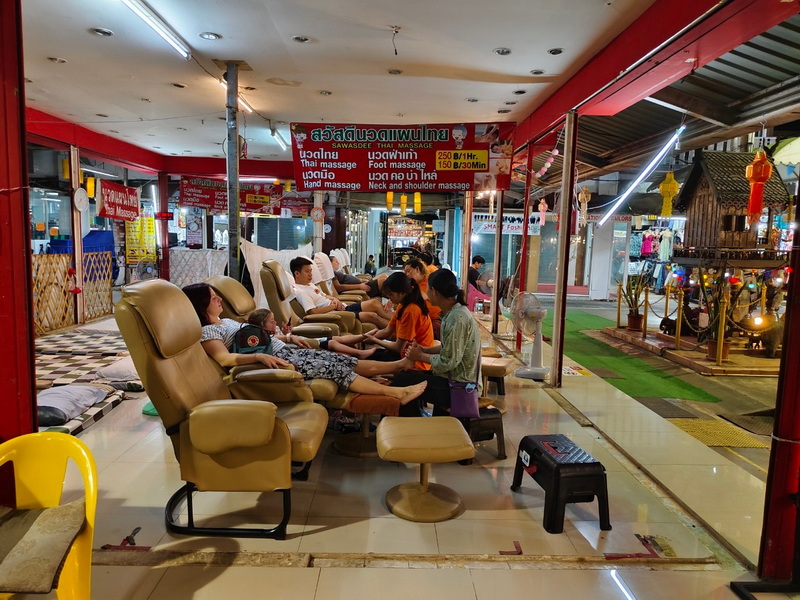
People enjoying foot massages in a busy massage spa in Chiang Mai at Top Night Markets In Chiang Mai.

Guided tours bring added value by sharing insights about the ingredients, cooking methods, and cultural significance behind each dish. This enhances the tasting experience and helps visitors appreciate the local food culture beyond just the flavors.

Many night food tours also include stops at lesser-known markets or hidden food stalls that are favorites among locals but might be missed by casual visitors. This insider access allows travelers to experience the authentic street food scene and engage with vendors who take pride in their craft.

Whether you prefer a casual stroll sampling small bites or a more structured tour with storytelling and cultural context, a night food tour is one of the best ways to enjoy the culinary delights of Chiang Mai’s night markets.

Must Visit Places Near Chiang Mai Night Markets

Combining visits to night markets with nearby attractions enriches your evening itinerary. Near the Night Bazaar, for instance, you can explore the nearby Old City walls and gates, which provide a glimpse into Chiang Mai’s historical past and offer great photo opportunities under the night lights.

Close to the Saturday Night Market, you’ll find the Wat Phra Singh temple, a stunning example of Lanna architecture that is beautifully illuminated in the evening. Visiting such cultural sites before or after market exploration adds depth and balance to your night out.

For those visiting the Chang Phuak Gate Night Market, the nearby Tha Phae Gate is another iconic landmark worth seeing. This gateway is often a gathering place for locals and tourists alike and hosts occasional cultural performances and events in the evening.

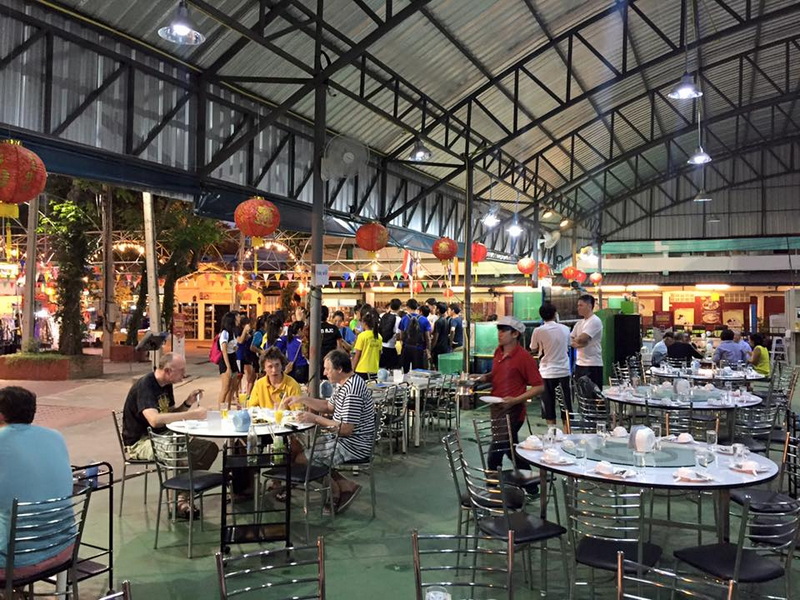
Indoor food court with tables, chairs, and people dining under hanging lanterns at Top Night Markets In Chiang Mai.

These must-visit places not only complement the market atmosphere but also allow visitors to experience the rich history and culture that make Chiang Mai such a captivating destination after dark.

Tips to Enhance Your Night Market Experience

To make the most of your visit to Chiang Mai’s night markets, it’s helpful to plan ahead. Arriving early can help you avoid the biggest crowds and allow more time to savor a variety of foods and browse stalls leisurely.

Bring cash in small denominations, as many vendors do not accept cards and may not have change for large bills. This also helps with bargaining, which is a common and friendly practice in these markets.

When trying street food, consider sharing dishes with your group to sample a wider range of flavors without getting too full too quickly. Don’t hesitate to ask vendors about their specialties or for recommendations—they often have stories and tips about their food.

Wear comfortable shoes and be prepared for some walking. The markets can be extensive, and exploring them fully requires mobility. Staying hydrated and carrying a small bag for purchases will also enhance your comfort.

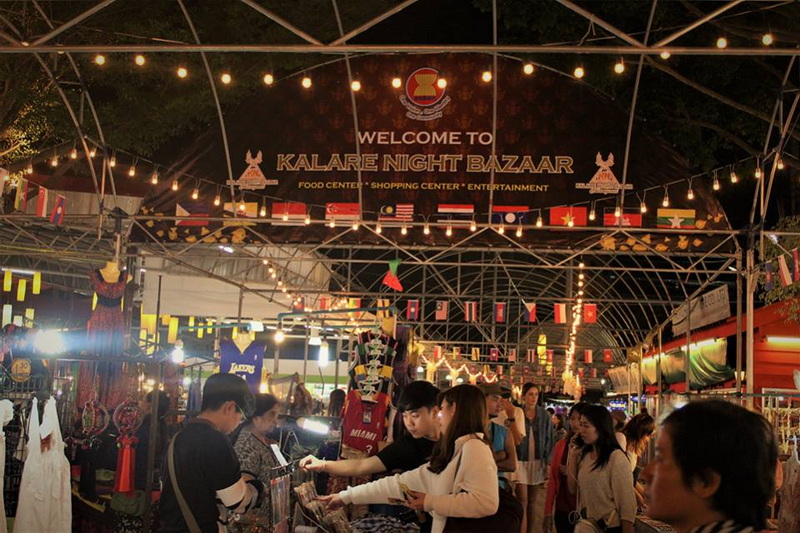
Night market scene with stalls, people, and festive lighting at Kalare Night Bazaar in Chiang Mai at Top Night Markets In Chiang Mai.

Lastly, be respectful of local customs and vendors. Chiang Mai’s night markets are community-centered spaces where culture and tradition thrive, so appreciating this atmosphere contributes to a positive experience for everyone.

Nightlife and Evening Activities Beyond the Markets

While the night markets are a central feature of Chiang Mai’s evening scene, the city offers a variety of other Things to Do in Chiang Mai at Night. Nearby bars and cafes often feature live music, providing a relaxed atmosphere to wind down after enjoying the bustling markets.

Cultural performances and traditional dance shows are also available in various venues around the city, giving visitors a chance to experience Lanna heritage through artistic expression.

For more active visitors, some areas offer night cycling tours or walking routes that combine sightseeing with gentle exercise, allowing you to explore illuminated temples and city streets under the stars.

These complementary activities create a well-rounded evening experience, blending food, culture, entertainment, and socializing in Chiang Mai’s vibrant night scene.

Bringing the Experience Together

Chiang Mai’s night markets offer a captivating blend of culinary delights, cultural richness, and lively atmosphere that few other evening experiences can match. By joining a Chiang Mai Night Food Tour, visitors gain not only access to delicious local dishes but also meaningful insights into the traditions behind them. Pairing market visits with nearby Must Visit Places In Chiang Mai adds historical and cultural layers to your night out, making it much more than just a shopping trip. Whether you’re a food enthusiast, a culture seeker, or simply someone looking for unique Things to Do in Chiang Mai at Night, these vibrant markets provide an unforgettable gateway to the city’s soul after dark.

Best Things To Do At Night In Chiang Mai with Night Food Tours and Shopping

Best Things To Do At Night In Chiang Mai with Night Food Tours and Shopping

Explore Chiang Mai’s vibrant night food tours, iconic nighttime spots, and lively shopping markets after dark.

Paintings on display at an art stall during a night market scene at Best Things To Do At Night In Chiang Mai.

Chiang Mai, renowned for its rich culture and stunning landscapes, transforms into a vibrant and bustling city once the sun sets. For travelers seeking memorable night activities, the city offers an enticing blend of culinary adventures, iconic nighttime attractions, and lively shopping scenes. Exploring Chiang Mai at night reveals a different side of the city—one filled with tantalizing flavors, colorful markets, and a lively atmosphere that appeals to first-time visitors and seasoned travelers alike. Night food tours in Chiang Mai are a popular way to experience local cuisine, taking visitors through a variety of street stalls and hidden gems where traditional Northern Thai dishes come alive. Alongside these culinary journeys, several must-visit places come alive after dark, offering cultural insights, beautiful settings, and a chance to soak in the local nightlife without overwhelming crowds. Complementing these experiences are the city’s night markets, where shopping extends beyond souvenirs to include local crafts, textiles, and street food delicacies. This guide focuses on the best things to do at night in Chiang Mai, emphasizing night food tours, must-visit nighttime places, and shopping opportunities. Whether you want to savor authentic dishes, explore cultural hotspots, or enjoy a lively market atmosphere, Chiang Mai’s nightlife has something special to offer.

Discovering Chiang Mai Night Food Tours

One of the most popular things to do in Chiang Mai at night is joining a night food tour. These tours offer an immersive culinary experience where visitors can sample a variety of traditional dishes and street foods that define Northern Thai cuisine. From khao soi, a rich coconut curry noodle soup, to sai ua, a flavorful Northern Thai sausage, the tours provide a delicious introduction to local flavors in a safe and guided setting. Travelers researching Chiang Mai Night Food Tour can use these details when planning the trip. Travelers researching Must Visit Places In Chiang Mai can use these details when planning the trip.

Many night food tours begin in the early evening, winding through the city’s bustling streets and night markets. Guides often share insights into the history and ingredients of each dish, enriching the experience beyond just tasting. Some tours include visits to lesser-known eateries favored by locals, offering an authentic glimpse of Chiang Mai’s food culture after dark.

These night food tours are ideal for first-time visitors who want to maximize their culinary exploration without the guesswork of navigating unfamiliar menus or locations. They also provide a practical way to sample a wide range of dishes while discovering charming neighborhoods and lively market scenes that come alive only at night.

Must Visit Places In Chiang Mai After Dark

Chiang Mai offers several iconic places that become particularly enchanting at night. The Old City, with its historic walls and temples, takes on a serene yet vibrant atmosphere as lanterns illuminate streets and locals gather in evening spots. Walking through the moat-lined streets after sunset reveals a blend of cultural heritage and modern nightlife.

A couple dining at night near a pond with fountains and decorative lights at Best Things To Do At Night In Chiang Mai.

One must-visit place is the Tha Phae Gate area, a popular meeting point and gateway to the Old City. At night, this area hosts street performances, food vendors, and lively crowds, creating a festive atmosphere perfect for soaking up local energy. Nearby, the bustling Sunday Night Walking Street Market extends into the evening, offering crafts, souvenirs, and street food stalls.

For a more peaceful experience, the grounds of Wat Phra Singh and Wat Chedi Luang offer beautiful nighttime views with subtle lighting highlighting their ancient architecture. These temples provide a quiet retreat for reflection and photography after the daytime tourist rush has subsided.

Exploring these must-visit places at night allows travelers to experience Chiang Mai’s cultural richness in a relaxed, enjoyable way that balances sightseeing with social and culinary activities.

Shopping In Chiang Mai’s Night Markets

Shopping in Chiang Mai at night is an experience filled with color, sound, and enticing aromas. The city’s night markets offer a wide range of products including handmade crafts, clothing, jewelry, and local artwork. These markets are not only ideal for souvenir shopping but also provide a chance to engage with local artisans and vendors.

People dining inside a boat with a river view and ambient lighting at night at Best Things To Do At Night In Chiang Mai.

Among the best-known markets, the Night Bazaar stands out as a large and vibrant space where visitors can find everything from traditional textiles to modern fashion. The market’s lively atmosphere, combined with street food stalls and occasional live music, makes it a popular evening destination for both tourists and locals.

Another favorite is the Saturday Night Market on Wua Lai Road, known for its focus on local crafts and a more relaxed vibe compared to the Night Bazaar. Here, shoppers can browse unique handmade items while enjoying snacks from food vendors lining the streets.

For those interested in more authentic local experiences, the smaller markets scattered throughout the Old City and around the riverside offer charming shopping opportunities with fewer crowds. These venues often feature traditional Lanna handicrafts and delicacies, perfect for travelers wanting to bring home a piece of Chiang Mai’s cultural heritage.

When shopping in Chiang Mai at night, it’s helpful to carry cash and be prepared to bargain respectfully. The markets close relatively late, allowing plenty of time to explore after dinner or a night food tour.

People enjoying a meal at a long indoor dining table with warm lighting at Best Things To Do At Night In Chiang Mai.

Tips for Combining Night Food Tours, Sightseeing, and Shopping

To make the most of your evenings in Chiang Mai, consider combining night food tours with visits to must-see places and shopping excursions. Starting with a food tour early in the evening can energize you with local flavors and provide a natural introduction to the city’s culinary scene.

After a food tour, heading to iconic nighttime spots such as the Tha Phae Gate or temple grounds allows for cultural exploration in a relaxed atmosphere. These locations often remain lively into the later evening, making it easy to transition from dining to sightseeing.

Following sightseeing, visiting a night market for shopping rounds out the experience perfectly. The markets’ operating hours typically extend until late, giving visitors ample time to browse and purchase unique items. This sequence creates a smooth flow of activities that balances eating, exploring, and shopping without feeling rushed.

When planning your night itinerary, keep in mind local customs and respect community spaces, especially near temples. Dress modestly for temple visits and be courteous when interacting with vendors and locals. Using this approach ensures a rewarding and culturally sensitive experience.

Bringing the Experience Together

Chiang Mai’s nightlife offers a rich tapestry of flavors, sights, and shopping opportunities that provide a memorable evening experience for any traveler. By exploring night food tours, visiting key nighttime spots, and enjoying the vibrant markets, visitors can immerse themselves in the city’s unique culture and lively atmosphere. Whether you’re savoring traditional dishes, admiring historic temples under soft lighting, or hunting for handcrafted treasures, Chiang Mai at night invites you to discover its charm in a welcoming and accessible way. Planning your nighttime adventures with these highlights will ensure a fulfilling and exciting visit that captures the spirit of this remarkable city.

Friday, July 31, 2026

Eco Trekking at Pha Daeng National Park in Northern Thailand

Eco Trekking at Pha Daeng National Park in Northern Thailand

Discover sustainable trekking practices and natural wonders in one of Chiang Mai Thailand’s must visit national parks

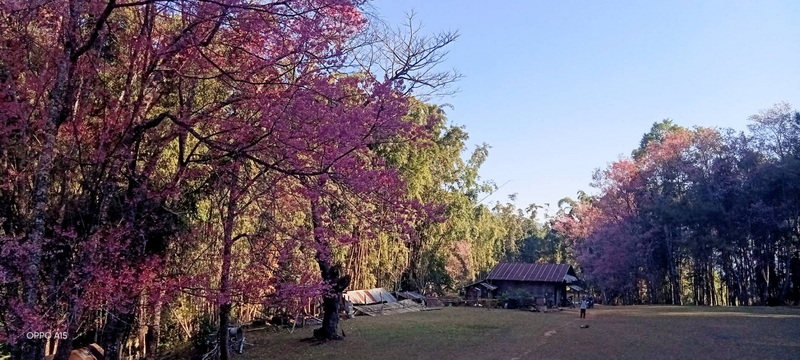
Pink flowering trees on a hillside with a building roof and clear sky above at Pha Daeng National Park.

Eco trekking offers a unique way to explore the natural beauty of northern Thailand while minimizing environmental impact and supporting local conservation efforts. Pha Daeng National Park, located in Chiang Dao Chiang Mai, stands out as a prime destination for eco-conscious travelers seeking immersive trekking experiences that respect both nature and local culture. This park, part of the must visit national parks northern Thailand, provides an ideal setting to practice sustainable travel through well-preserved forests, diverse ecosystems, and culturally sensitive interactions. In this article, we explore the principles of eco trekking and how they are applied at Pha Daeng National Park. We also highlight sustainable trekking opportunities and visitor responsibilities that help protect this fragile environment. By understanding these practices, travelers can contribute positively to conservation while enjoying the stunning landscapes and rich biodiversity of Chiang Mai Thailand. This guide aims to inspire thoughtful exploration and deepen appreciation for northern Thailand’s natural heritage.

Principles of Eco Trekking for Responsible Travel

Eco trekking is a mindful approach to hiking and outdoor exploration that emphasizes minimizing human impact on natural environments. It encourages travelers to leave no trace, respect wildlife and local communities, and support conservation initiatives. In northern Thailand, where biodiversity is rich but vulnerable, adopting these principles is vital to preserving national parks like Pha Daeng. Travelers researching Eco Trekking Chiang Mai can use these details when planning the trip.

Key eco trekking practices include staying on marked trails to avoid disturbing flora and fauna, carrying out all waste, and using eco-friendly products to reduce pollution. Visitors are also encouraged to learn about the local environment and culture, fostering respect and understanding rather than exploitation. This thoughtful approach ensures the park remains pristine for future generations and supports the livelihoods of indigenous hill tribe communities.

Additionally, eco trekking promotes small group sizes and low-impact travel methods such as walking or cycling instead of motorized vehicles inside protected areas. This reduces noise, air pollution, and habitat fragmentation. By choosing eco trekking tours or self-guided hikes that follow these guidelines, travelers actively participate in conservation efforts while enjoying authentic nature experiences.

Eco Trekking Opportunities at Pha Daeng National Park

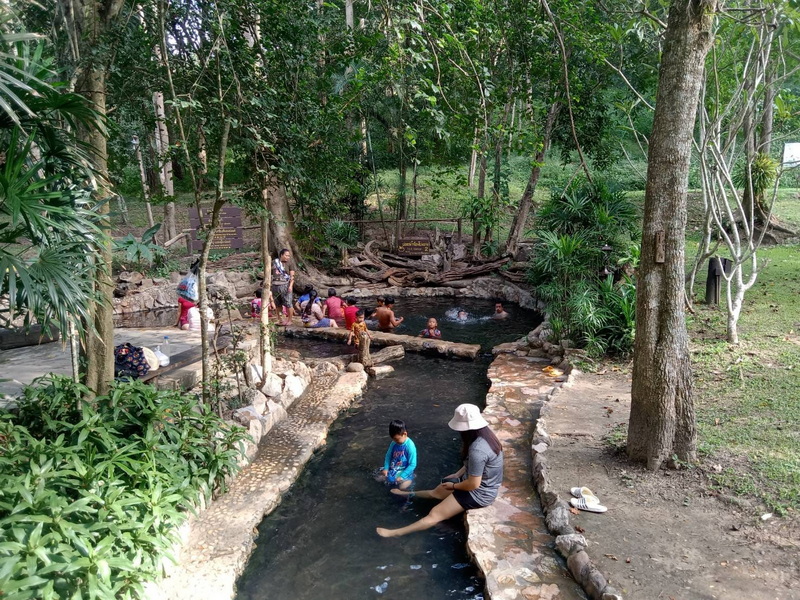
People enjoying a natural hot spring in a lush, wooded area at Pha Daeng National Park.

Pha Daeng National Park offers diverse trekking routes that cater to eco-conscious adventurers. Its terrain includes dense forests, limestone mountains, and river valleys that host a variety of plant and animal species. Trekking here provides a chance to witness northern Thailand’s ecological richness while practicing sustainable travel.

One popular eco trekking route follows trails that wind through evergreen forests, where visitors can observe rare orchids and listen to the calls of native bird species. The park’s well-maintained paths help prevent soil erosion and protect sensitive habitats. Guides knowledgeable in sustainable practices are often available to lead groups, enhancing visitor awareness about the park’s conservation challenges and cultural significance.

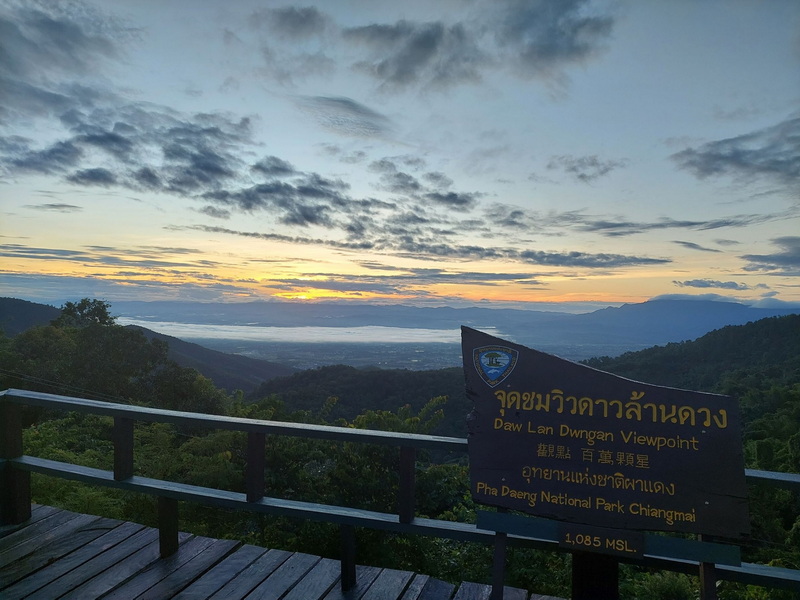
Scenic mountain view with clouds and sunrise from a viewpoint with a sign at Pha Daeng National Park.

The park also features eco-friendly camping areas designed to minimize environmental footprints. Visitors are encouraged to use these facilities and follow strict guidelines regarding fire safety, waste disposal, and noise control. These efforts help maintain the park’s tranquility and reduce human disturbance to wildlife.

By choosing Pha Daeng National Park for eco trekking, travelers engage with one of Chiang Mai Thailand’s most important natural areas in a way that supports ongoing preservation and educates about responsible tourism.

Sustainable Trekking Practices at Tham Chiang Dao

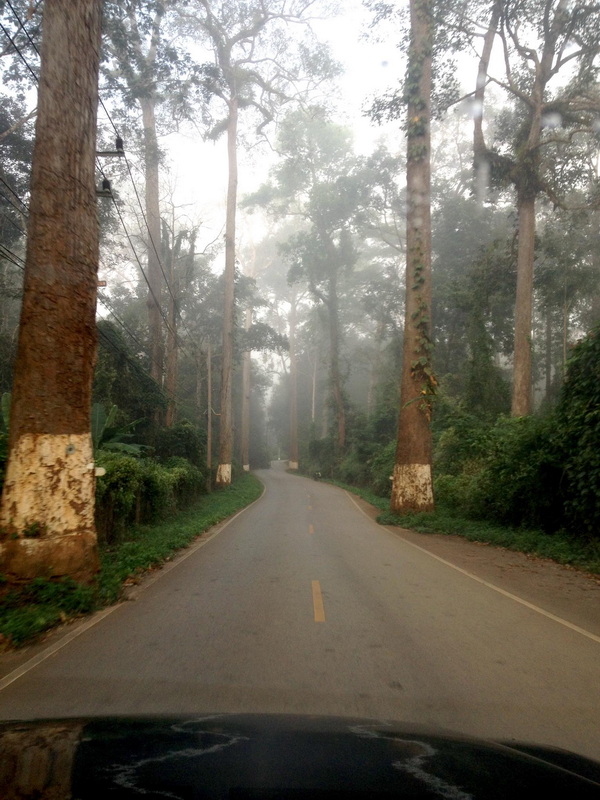
A forested road lined with tall trees and fog in the air at Tham Chiang Dao.

Nearby Tham Chiang Dao complements the eco trekking experience at Pha Daeng National Park with its remarkable cave systems and surrounding forest trails. This area is managed with sustainability in mind to protect its geological features and biodiversity.

Visitors are advised to use established paths and avoid touching delicate rock formations inside the caves to prevent damage. Lighting and visitor access are carefully controlled to preserve the fragile cave ecosystem. Outside the caves, the forest trails offer opportunities to observe endemic plant species and hill tribe villages respectfully.

Local guides play a crucial role in promoting sustainable trekking at Tham Chiang Dao by educating visitors on environmental stewardship and cultural sensitivity. Their involvement ensures that tourism benefits local communities while minimizing negative impacts.

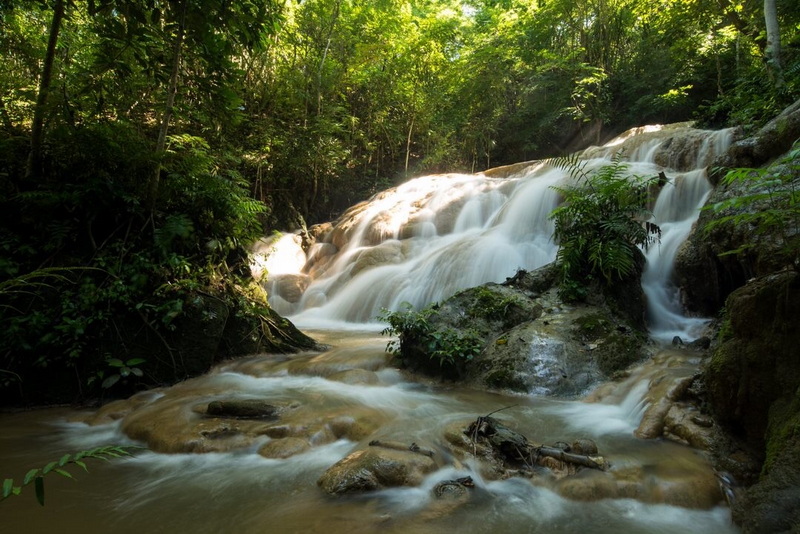
A waterfall cascading over rocks amid dense forest foliage at Pha Daeng National Park.

Together with Pha Daeng National Park, Tham Chiang Dao represents a model of how natural and cultural heritage can be preserved through responsible trekking practices in northern Thailand.

Environmental Considerations and Best Practices for Visitors

When trekking in protected areas like Pha Daeng National Park and Tham Chiang Dao, visitors must be aware of their environmental responsibilities. This includes understanding the fragility of ecosystems and the importance of maintaining biodiversity.

Avoiding littering and properly disposing of waste is fundamental. Plastic pollution is a significant threat to wildlife and water quality. Carrying reusable water bottles and bags reduces single-use plastics. Visitors should also avoid feeding wildlife, which can disrupt natural behaviors and diets.

Respecting local flora is equally important. Picking flowers or plants can diminish natural regeneration and harm plant populations. Staying on designated trails prevents habitat destruction and soil erosion. Noise pollution should be minimized to avoid disturbing animals and other visitors seeking tranquility.

Visitors should also be mindful of cultural sensitivity, especially regarding hill tribe communities living near these parks. Engaging respectfully, without exoticizing or intruding on their way of life, supports ethical tourism and community well-being.

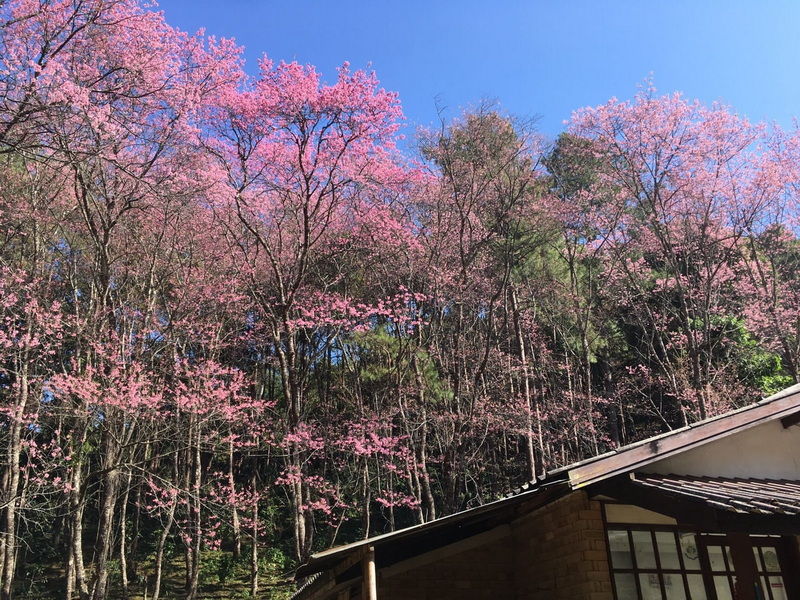
Pink and purple blooming trees with a grassy area and small wooden building under a blue sky at Pha Daeng National Park.

By adhering to these best practices, trekkers contribute to the long-term health of northern Thailand’s ecosystems and its people.

The Future of Eco Trekking in Northern Thailand’s National Parks

Northern Thailand’s national parks, including Pha Daeng National Park, are increasingly recognized for their potential to offer sustainable tourism that balances nature conservation with visitor enjoyment. Eco trekking is a growing movement that aligns with this vision by promoting low-impact travel and environmental education.

As more travelers seek authentic and responsible experiences, parks in Chiang Mai Thailand are enhancing facilities and training guides to support eco trekking principles. This development helps safeguard natural and cultural resources while providing meaningful opportunities for nature connection.

Visitors who embrace eco trekking contribute to a positive cycle: their respectful behavior helps preserve the parks, which in turn maintain their appeal and ecological integrity. This sustainable approach is essential for the future of northern Thailand’s treasured natural landscapes.

Ultimately, eco trekking at Pha Daeng National Park and surrounding areas exemplifies how tourism can be a force for conservation and community empowerment when practiced thoughtfully.

Nearby Attractions

Pha Daeng National Park

Pha Daeng National Park is a vast protected area in Chiang Dao Chiang Mai known for its lush forests, mountainous terrain, and rich biodiversity. The park’s name translates to “Red Forest,” reflecting the distinctive coloration of some of its tree species during certain seasons.

This national park is a sanctuary for numerous plant and animal species, many of which are endemic to northern Thailand. It offers several trekking routes that vary in difficulty, allowing visitors to explore waterfalls, viewpoints, and diverse ecosystems while practicing eco trekking principles.

The park’s management emphasizes sustainability, with efforts to maintain trails, regulate visitor numbers, and educate tourists on conservation. These measures help protect the park’s natural resources and promote responsible tourism.

Visitors to Pha Daeng can also learn about the local hill tribe communities who have lived in harmony with the environment for generations. Respectful interaction and cultural sensitivity are encouraged to support their dignity and heritage.

Tham Chiang Dao

Tham Chiang Dao is a famous cave complex located near Pha Daeng National Park, renowned for its impressive limestone formations and spiritual significance. The caves extend deep into the mountains, offering adventurous exploration opportunities for eco trekkers.

The surrounding area features forest trails and hill tribe villages, creating a rich cultural and natural landscape. Sustainable tourism practices are enforced to preserve the delicate cave environment and maintain the integrity of the local ecosystems.

Visitors are encouraged to explore the caves with knowledgeable guides who emphasize environmental protection and cultural respect. The combination of geological wonders and traditional lifestyles makes Tham Chiang Dao a valuable complement to eco trekking itineraries in northern Thailand.

Together with Pha Daeng National Park, Tham Chiang Dao represents a key destination for travelers seeking meaningful, low-impact experiences that celebrate nature and culture responsibly.

Bringing the Experience Together

Pha Daeng National Park and its neighboring attraction, Tham Chiang Dao, offer exceptional opportunities for eco trekking in Chiang Mai Thailand. By adopting sustainable trekking practices, visitors not only experience the breathtaking natural beauty of northern Thailand but also contribute to the preservation of these must visit national parks northern Thailand. Respect for the environment and local communities is essential to ensuring these landscapes remain vibrant and accessible for future generations. Eco trekking here is more than a journey through nature; it is a commitment to responsible travel that nurtures conservation and cultural appreciation.

Thursday, July 30, 2026

Ban Yang Pu Toh Trekking and Village Sightseeing in Chiang Mai

Ban Yang Pu Toh Trekking and Village Sightseeing in Chiang Mai

Discover immersive trekking routes and authentic village life near Chiang Dao with enriching natural and cultural experiences

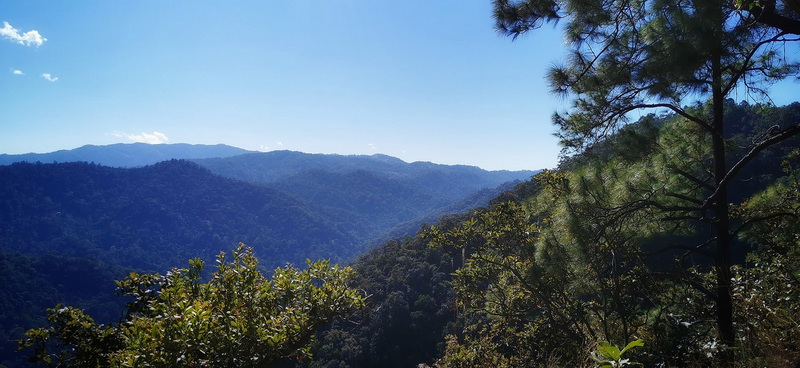
Expansive mountain landscape with forested slopes and a blue sky at Ban Yang Pu Toh.

Nestled in the scenic landscapes of Chiang Dao Chiang Mai, Ban Yang Pu Toh offers an exceptional blend of trekking adventure and cultural immersion. This destination is ideal for travelers seeking a rewarding one-day trekking experience that combines invigorating nature trails with authentic village attractions. The trails around Ban Yang Pu Toh weave through lush jungle terrain, offering a glimpse of the region’s rich biodiversity and stunning mountain views. Along the way, visitors engage with local communities, gaining insight into traditional lifestyles and customs that have been preserved over generations. This area is not only a trekking hotspot but also a gateway to meaningful Chiang Mai sightseeing beyond the usual tourist paths. The village attractions in Chiang Mai around Ban Yang Pu Toh provide a window into rural life and the harmonious relationship between people and their natural environment. Complementing the trekking and village experiences are nearby natural parks like Pha Daeng National Park and Tham Chiang Dao, which add variety and depth to any visitor’s itinerary. Together, these elements create a uniquely balanced day trip that satisfies both adventure seekers and culture enthusiasts.

Exploring the 1 Day Trekking Ban Yang Pu Toh Chiang Dao

The trekking routes around Ban Yang Pu Toh are designed to accommodate a full-day excursion that highlights the best of Chiang Dao’s jungle and mountain environment. The terrain is a mix of moderate ascents, forest trails, and occasional river crossings, making it suitable for trekkers with a reasonable level of fitness. As you progress, the trails reveal diverse flora and fauna, from towering hardwood trees to vibrant orchids and the calls of native bird species. The path leads through dense jungle and open clearings, offering panoramic views of the surrounding valleys and limestone peaks that define this part of northern Thailand. Travelers researching 1 Day Trekking Ban Yang Pu Toh Chiang Dao can use these details when planning the trip.

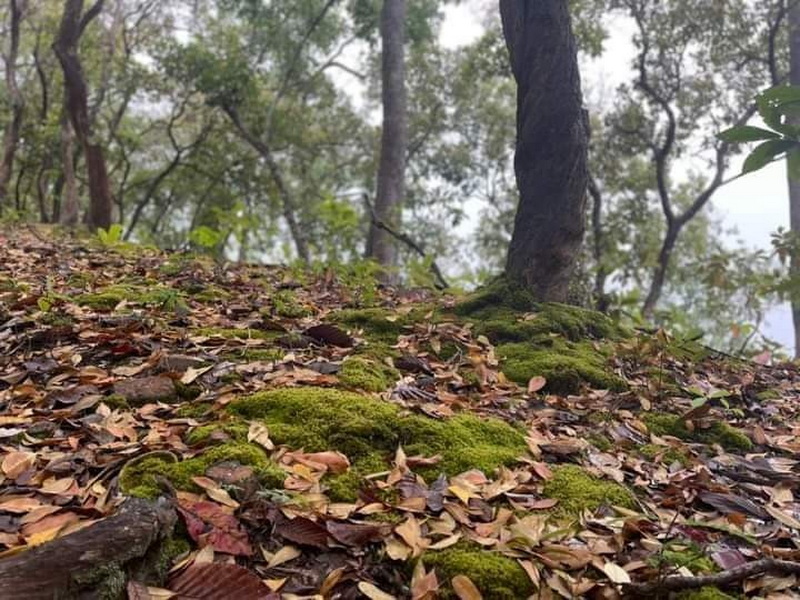
Forest floor with fallen leaves, moss, and tree roots amid tall trees at Ban Yang Pu Toh.

Guided or self-led trekking options allow travelers to tailor their experience, focusing on either a more nature-centric hike or incorporating stops at local points of interest. The village of Ban Yang Pu Toh itself serves as a cultural waypoint where trekkers can observe traditional agricultural practices and engage with hill tribe communities. This interaction enriches the journey, providing context and connection beyond the natural scenery. The trail network also connects to smaller offshoot paths that explore lesser-known areas, adding a sense of discovery for those who wish to venture a bit further.

Chiang Mai Sightseeing Beyond the Trek

While trekking forms the core of the experience, Chiang Mai sightseeing around Ban Yang Pu Toh extends to several noteworthy natural and cultural landmarks. The region is characterized by its striking limestone mountains and caves that have attracted visitors for decades. The nearby Tham Chiang Dao cave complex is a prime example, offering fascinating spelunking opportunities and spiritual sites within its vast chambers. Exploring such landmarks complements the trekking day, providing a varied itinerary that balances physical activity with moments of reflection and wonder.

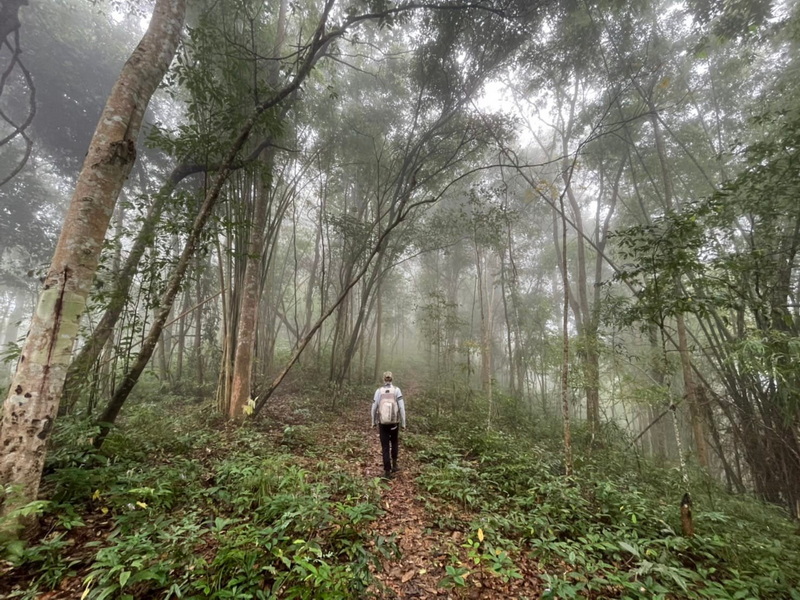
A person walking through a foggy forest trail surrounded by tall trees and green plants at Ban Yang Pu Toh.

The scenic beauty of Pha Daeng National Park, located a short distance from Ban Yang Pu Toh, further enhances the sightseeing options. This park is known for its rich biodiversity, including rare bird species and unique plant life. Visitors can enjoy short nature walks or simply take in the serene atmosphere of the park’s forested hills and streams. These nearby attractions make it easy to extend a day of trekking into a broader exploration of the Chiang Dao area’s natural wonders.

Village Attractions in Chiang Mai Around Ban Yang Pu Toh

The cultural heart of the area lies in its villages, where traditional lifestyles continue with minimal disruption from modern tourism. Ban Yang Pu Toh and neighboring settlements offer authentic glimpses into daily life, including rice farming, weaving, and local crafts. Visitors can witness age-old techniques passed down through generations and sometimes participate in hands-on activities that deepen appreciation for these customs.

Panoramic view of green mountains with clouds in the sky at Ban Yang Pu Toh.

Respectful engagement with local communities is essential. The villages maintain a strong sense of identity and hospitality, welcoming travelers who approach with genuine interest and sensitivity. This aspect of the journey highlights the importance of sustainable and ethical tourism practices, ensuring that the cultural heritage and livelihoods of the residents are preserved. The village attractions stand as a meaningful counterpoint to the natural exploration, providing a well-rounded experience that honors both people and place.

Nearby Attractions

Pha Daeng National Park

Waterfall cascading over rocks in a dense forest with sunlight filtering through trees at Pha Daeng National Park.

Pha Daeng National Park is a verdant expanse of forested hills and river valleys that showcases the ecological richness of the Chiang Dao region. The park offers a peaceful retreat with well-maintained trails suitable for casual hiking and wildlife observation. It is a sanctuary for numerous bird species and endemic plants, making it a favorite spot for nature lovers and photographers alike. The park’s natural beauty complements the trekking experience at Ban Yang Pu Toh by providing additional opportunities to connect with the environment.

Tham Chiang Dao

A winding forest road surrounded by tall trees and misty atmosphere at Tham Chiang Dao.

Tham Chiang Dao is a renowned limestone cave complex famous for its impressive stalactites, stalagmites, and underground chambers. The caves hold spiritual significance and contain several Buddhist shrines, attracting both pilgrims and tourists. Exploring Tham Chiang Dao offers a striking contrast to the jungle trekking, inviting visitors to discover the geological wonders beneath the surface. Its proximity to Ban Yang Pu Toh makes it a convenient and enriching addition to any itinerary focused on natural and cultural exploration.

Bringing the Experience Together

Ban Yang Pu Toh stands out as a destination where trekking and village sightseeing seamlessly blend to offer a fulfilling day trip experience in Chiang Dao Chiang Mai. The carefully balanced combination of invigorating jungle trails, authentic cultural encounters, and access to nearby natural parks provides a comprehensive adventure for travelers who value both active exploration and meaningful connections with local communities. Respect for the environment and the people who call this region home is a guiding principle that enhances every step of the journey. Whether you are drawn by the allure of mountain vistas, the charm of traditional village life, or the rich biodiversity of northern Thailand, Ban Yang Pu Toh invites you to explore with curiosity and care, leaving with lasting memories of a truly immersive experience.

Wednesday, July 29, 2026

Best Tours and Caving Activities Near Tham Chiang Dao

Best Tours and Caving Activities Near Tham Chiang Dao

Discover thrilling caving adventures and scenic trekking opportunities around Chiang Dao Cave in northern Thailand

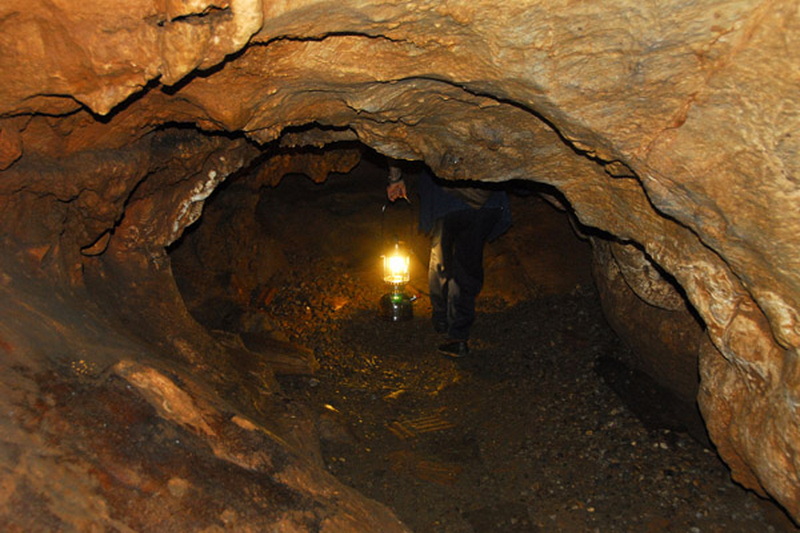
Person exploring a dark underground cave with a lantern inside a narrow tunnel at Tham Chiang Dao.

Nestled within the limestone mountains of northern Thailand, Tham Chiang Dao offers an extraordinary caving experience that draws adventure travelers and nature lovers alike. The expansive Chiang Dao Cave system invites visitors to explore winding passages, impressive stalactites, and underground chambers rich with natural beauty. As one of the most captivating cave attractions in Chiang Mai, it presents a unique opportunity to engage deeply with the region’s geology and wilderness. Beyond caving, the surrounding area presents excellent options for trekking and nature sightseeing, making it a perfect destination for those seeking a blend of underground exploration and scenic outdoor activities. This guide highlights some of the best Chiang Dao Cave tours available, without focusing on specific bookings, while also introducing nearby trekking routes and national parks that complement the caving adventure. Whether you are a seasoned caver or a curious traveler, this overview will help you plan an exciting and memorable visit to Tham Chiang Dao and its natural surroundings.

Immersive Caving Experiences at Chiang Dao Cave

Tham Chiang Dao stands out as a premier destination for caving in northern Thailand, offering a variety of experiences suitable for different adventure levels. The cave system itself is a marvel of limestone formations, with chambers that reveal stunning stalactites and stalagmites, underground rivers, and hidden shrines that speak to the cultural heritage intertwined with this natural wonder. Visitors can explore these vast underground spaces through guided tours that emphasize both safety and education about the cave’s geology and ecology. Travelers researching Chiang Mai Sightseeing can use these details when planning the trip.

The best Chiang Dao Cave tours in Chiang Mai are designed to showcase the cave’s diverse features while catering to different preferences. Some tours focus on lantern-lit explorations that add an atmospheric touch, while others provide more active caving routes for those seeking a physical challenge. Family-friendly options also exist, making it accessible for travelers with children who want to experience the magic of this subterranean world without intense exertion.

Caving in Chiang Mai at Tham Chiang Dao offers more than just a glimpse underground; it’s an opportunity to witness the intricate natural processes that shaped these caves over millennia. The combination of geological wonders and the chance to experience a serene, otherworldly environment makes Chiang Dao Cave a must-visit for anyone interested in adventure travel or nature exploration.

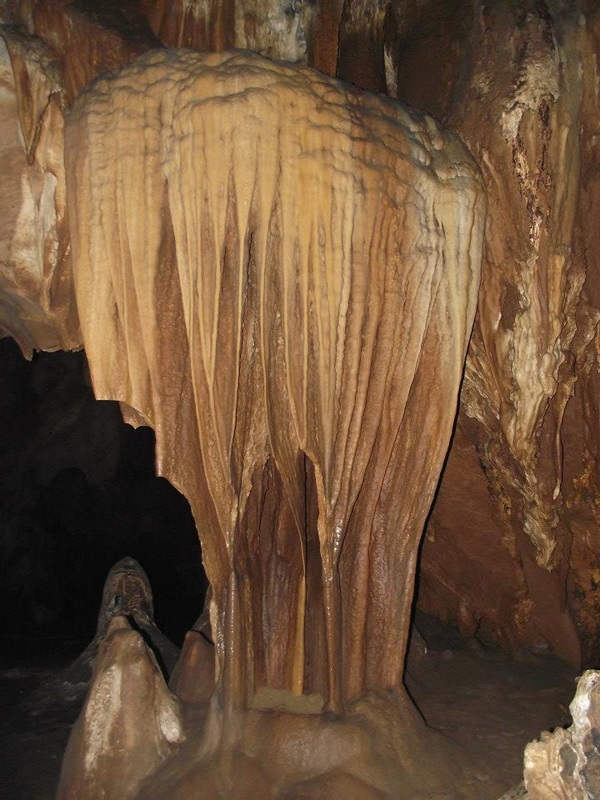
Large stalagmite inside a cave with mineral deposits on the walls at Tham Chiang Dao.

Exploring the Best Chiang Dao Cave Tours in Chiang Mai

When considering tours around Tham Chiang Dao, the focus is often on experiences that highlight the cave’s distinctive features and the surrounding natural landscapes. Many tours are structured to offer half-day or full-day options that combine cave exploration with visits to nearby attractions, providing a well-rounded sightseeing experience in Chiang Dao Chiang Mai.

Popular phrasing for these tours often includes terms like “Best Chiang Dao Cave Tours Chiang Mai” and “Chiang Dao Cave Day Trip,” which emphasize the quality and scope of the experiences without committing to specific operators or itineraries. This approach allows travelers to understand the nature of available adventures while maintaining flexibility in planning.

Some tours incorporate lantern-lit walks through the cave, enhancing the mystical atmosphere and offering unique photographic opportunities. Others may include guided explanations about the cave’s formation, local wildlife, and cultural significance, enriching the visitor’s understanding and appreciation. These tours are excellent for those who want to combine active exploration with educational insights.

For travelers seeking a more personalized experience, private tours offer the chance to tailor the itinerary according to interests and physical ability, though this article refrains from detailing booking specifics. Regardless of the tour style, the core appeal remains the same: engaging deeply with one of the most beautiful cave systems in Chiang Mai.

A winding road surrounded by tall trees and fog in a dense forest at Tham Chiang Dao.

Complementary Trekking and Natural Parks Near Chiang Dao Cave

The adventure does not end at the cave entrance. Chiang Dao’s surrounding region is renowned for its lush landscapes and diverse trekking opportunities that perfectly complement the caving experience. Two standout nearby attractions are Pha Daeng National Park and Ban Yang Pu Toh trekking routes, both offering immersive nature encounters within easy reach of the cave.

Pha Daeng National Park is a protected area featuring dense forests, mountain vistas, and abundant wildlife. It provides a refreshing contrast to the underground environment of Tham Chiang Dao, allowing visitors to reconnect with the natural world above ground. Hiking trails here vary in difficulty and length, making it accessible for a broad range of trekkers.

Ban Yang Pu Toh trekking is another excellent option for those looking to explore the region’s cultural and natural heritage. This route offers a chance to experience local hill tribe villages, serene forest paths, and mineral hot springs nearby, all while enjoying the peaceful atmosphere of northern Thailand’s countryside. These trekking experiences enhance a day spent caving by adding layers of discovery and connection with the local environment.

Together, these natural parks and trekking routes create a comprehensive adventure itinerary, balancing the thrill of caving with the tranquility of mountain landscapes and cultural insights.

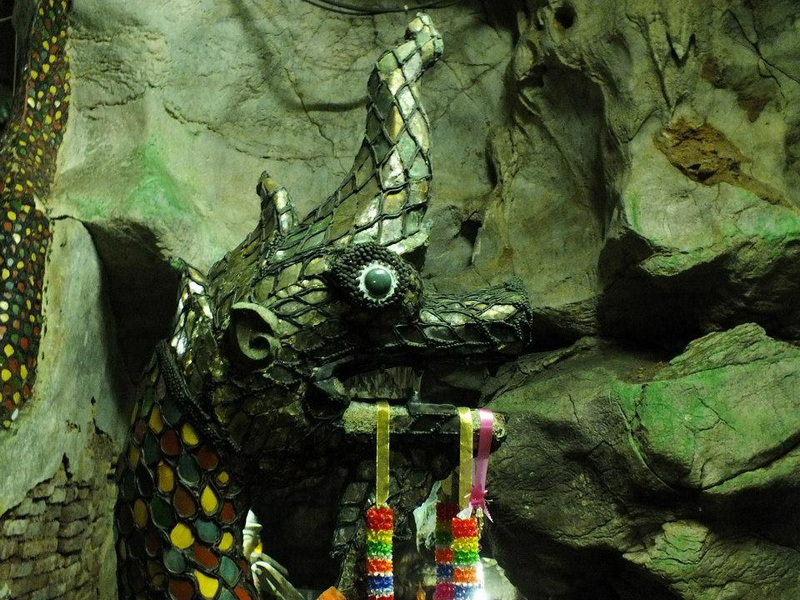
Close-up of a metallic mosaic dragon sculpture inside a cave with rocky walls at Tham Chiang Dao.

Adventure Opportunities Around Tham Chiang Dao

For adventure travelers seeking a blend of geological intrigue and outdoor exploration, Tham Chiang Dao and its environs offer a compelling destination. The cave itself is a highlight for caving enthusiasts, with tours that range from gentle walks to more challenging spelunking routes. The diversity of experiences ensures that visitors can find something suited to their interests and abilities.

Complementing the caving activities are the nearby trekking routes and national parks that provide broader context to the region’s natural beauty. These opportunities invite travelers to engage with the landscape on multiple levels—from the depths of limestone caves to the heights of forested mountains.

Ultimately, visiting Tham Chiang Dao is about embracing the spirit of adventure while respecting the natural and cultural heritage of the area. The combination of caving, trekking, and sightseeing around Chiang Dao Chiang Mai makes for a rich and memorable travel experience.

Nearby Attractions

Pha Daeng National Park

Waterfall flowing over rocks in a dense green forest setting at Pha Daeng National Park.

Pha Daeng National Park is a pristine natural area near Chiang Dao that offers dense forest trails, mountain viewpoints, and abundant wildlife. It serves as an excellent complement to the caving experience by providing an above-ground adventure where visitors can hike through diverse landscapes and enjoy peaceful natural surroundings. The park’s well-maintained paths and scenic vistas attract trekkers and nature enthusiasts looking to explore northern Thailand’s rich biodiversity.

Ban Yang Pu Toh trekking

Close-up of moss and fallen leaves on forest ground with trees in background at Ban Yang Pu Toh trekking.

Ban Yang Pu Toh trekking offers an immersive journey through rural northern Thailand, featuring forest paths, local hill tribe communities, and mineral hot springs. This trekking route near Chiang Dao adds cultural depth to an adventure itinerary, allowing travelers to experience traditional village life alongside natural beauty. The trails vary in difficulty, making it suitable for a range of hikers who wish to extend their outdoor exploration beyond the cave.

Bringing the Experience Together

Exploring Tham Chiang Dao is an invitation to delve into one of northern Thailand’s most fascinating natural wonders. The cave’s intricate formations and mysterious chambers offer a thrilling caving experience, while the surrounding landscapes provide enriching trekking and sightseeing opportunities. Together, these activities create a balanced adventure that appeals to both the curious and the intrepid traveler. By engaging respectfully with the natural environment and local culture, visitors can enjoy a meaningful and exhilarating journey through this remarkable region. Whether descending into the depths of the limestone caves or trekking through lush forests, the experiences near Chiang Dao Cave promise lasting memories and a deep connection to the beauty of Chiang Mai’s wilderness.

Sunday, July 26, 2026

Extended treks and day trips at Doi Luang Chiang Dao

Extended treks and day trips at Doi Luang Chiang Dao

Discover multi-day trekking routes and enriching day trips around Doi Luang Chiang Dao with a focus on nature and responsible travel

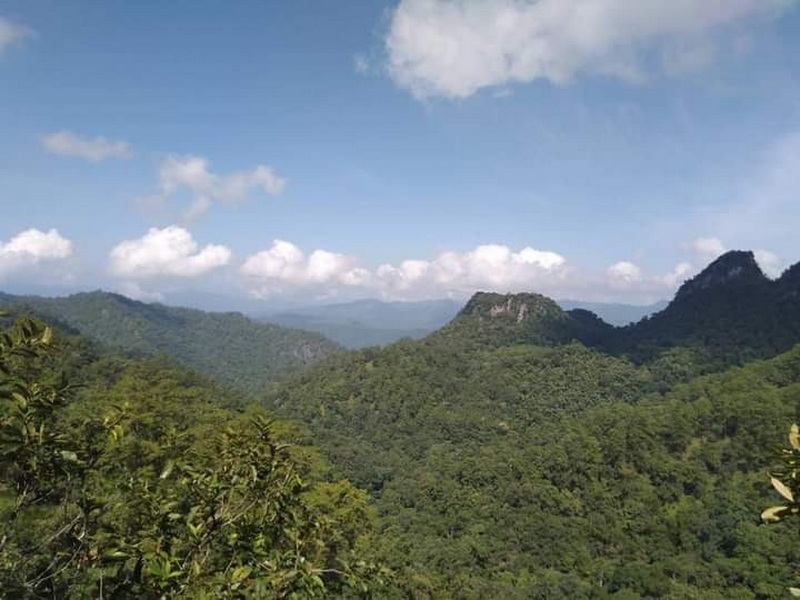
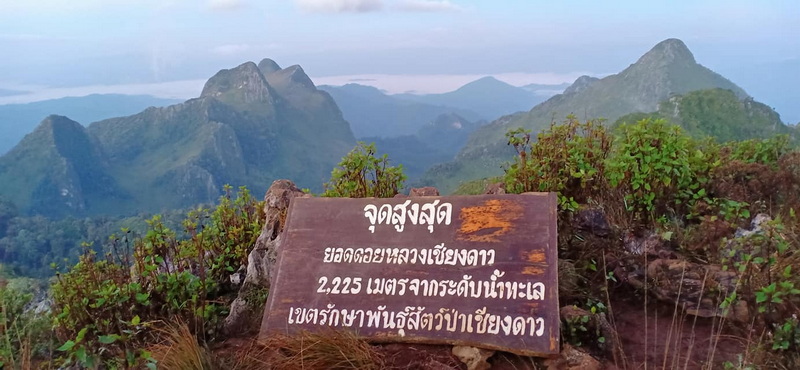
Scenic view of mountains with lush greenery and cloudy sky, foreground with wooden sign at Doi Luang Chiang Dao.

Doi Luang Chiang Dao stands as one of northern Thailand’s most compelling trekking destinations, offering a blend of rugged mountain landscapes, rich biodiversity, and cultural depth. For experienced trekkers seeking more than a simple day hike, this region presents excellent opportunities for extended adventures, including the renowned 2 day Trek Chiang Mai routes that immerse visitors in the heart of the Chiang Dao wildlife sanctuary and surrounding forest parks. Beyond the summit challenges, the area encourages a thoughtful approach to travel, emphasizing respect for local ecosystems and communities. Planning extended treks here involves considering not only the physical challenge but also the ecological and cultural context. The Doi Luang Chiang Dao trek is ideal for those who want to combine physical endurance with an appreciation of the region’s natural heritage. Additionally, a range of day trips from Chiang Mai complements these multi-day hikes, allowing travelers to explore adjacent natural attractions such as Pha Daeng National Park and the Ban Yang Pu Toh trekking routes. These excursions offer varied terrain and unique wildlife encounters, expanding the possibilities for responsible exploration in northern Thailand. This article aims to guide experienced trekkers and day trip planners through the practical considerations of extended trekking around Doi Luang Chiang Dao, highlighting key natural features and nearby attractions while encouraging sustainable travel practices. Whether seeking a challenging multi-day trek or a refreshing day excursion, readers will find insights to help them prepare effectively and deepen their connection with this extraordinary landscape.

Extended Trekking Options Around Doi Luang Chiang Dao

The Doi Luang Chiang Dao region is renowned for its extensive trekking opportunities, particularly the 2 day Trek Chiang Mai routes that offer a balanced mix of challenging ascents and rewarding natural vistas. These multi-day treks typically navigate through dense forest parks, including the doi luang chiang dao forest park, which is part of the larger Chiang Dao wildlife sanctuary. Trekkers can expect to encounter diverse flora and fauna, from rare bird species to endemic plants, making the journey a deeply immersive nature experience.

Trekking in this area requires careful preparation due to the varied terrain and weather conditions. Routes often involve steep climbs and descents, river crossings, and campsite stays within designated areas to minimize environmental impact. The extended nature of these treks allows for a slower pace, encouraging trekkers to observe and appreciate the ecological richness and subtle changes in the landscape as elevation shifts. Guides familiar with the region play an essential role in navigating trails responsibly and sharing knowledge about local ecosystems and conservation efforts.

For those who prefer to combine trekking with cultural encounters, some extended routes offer opportunities to visit nearby hill tribe communities. These interactions, when approached with respect, provide insight into traditional livelihoods and the delicate balance between human activity and natural preservation in the Chiang Dao region.

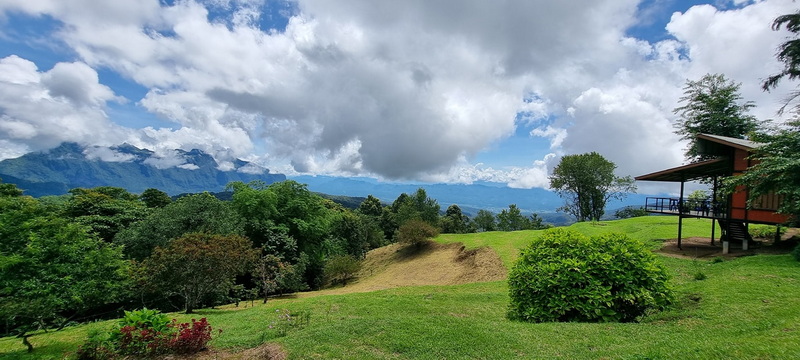
Open grassy area with trees, house on stilts, and mountain view under cloudy sky at Doi Luang Chiang Dao.

Highlights of the Chiang Dao Trek

The Chiang Dao Trek itself is a highlight within the extended trekking options, often serving as the backbone for 2 day Trek Chiang Mai itineraries. It ascends to the peak of Doi Luang Chiang Dao, Thailand’s third highest mountain, where panoramic views reward the effort. The trek route passes through the doi chiang dao forest park, a protected area known for its limestone caves, rich biodiversity, and pristine forest environment.

Along the way, trekkers may encounter unique geological formations and a variety of wildlife, including several species of birds and butterflies endemic to the region. The trek also provides a chance to witness the interplay between tropical forest and mountainous ecosystems, with changes in vegetation becoming apparent as elevation increases.

Environmental awareness is crucial during the Chiang Dao Trek. Visitors are encouraged to follow Leave No Trace principles, avoid disturbing wildlife, and support local conservation initiatives. This approach helps ensure that the natural beauty and ecological integrity of the area remain intact for future generations of trekkers and nature lovers.

Day Trips from Chiang Mai Featuring Nearby Natural Attractions

For travelers who may not have the time or inclination for multi-day trekking, the region around Doi Luang Chiang Dao offers excellent day trip alternatives that still deliver rich natural experiences. Two notable nearby attractions are Pha Daeng National Park and Ban Yang Pu Toh trekking routes, both accessible from Chiang Mai and the Chiang Dao area.

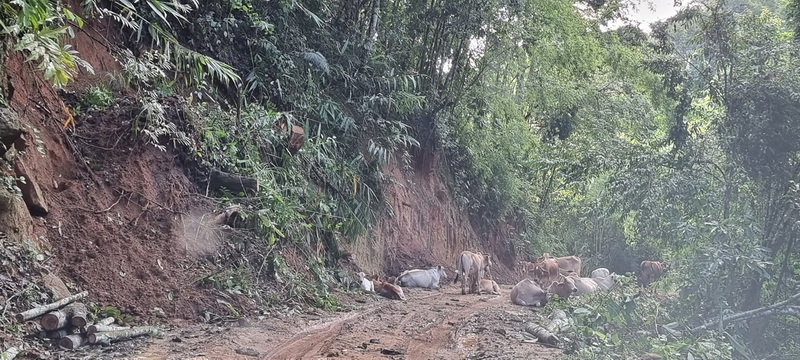
Cows resting on a dirt path surrounded by dense forest greenery at Doi Luang Chiang Dao.

Pha Daeng National Park is a biodiverse reserve characterized by rugged hills, waterfalls, and dense evergreen forests. Day trips here allow visitors to explore well-maintained trails that reveal the park’s ecological diversity, including sightings of native wildlife and rare plant species. The park’s relatively accessible terrain makes it suitable for day hikers seeking immersion in nature without the logistical demands of overnight trekking.

Ban Yang Pu Toh trekking offers a more intimate experience through forested hills and traditional villages. This trekking route is known for its mineral hot springs, which provide a natural opportunity for relaxation after a day of hiking. The trail highlights the region’s geological variety and cultural heritage, inviting travelers to appreciate the harmony between natural features and local community life.

When planning day trips from Chiang Mai to these sites, it is important to consider environmental preservation and cultural respect. Visitors should adhere to park regulations, minimize waste, and engage with local communities in ways that support sustainable tourism.

Planning Considerations and Responsible Travel Practices

Successfully undertaking a 2 day Trek Chiang Mai or any extended trekking around Doi Luang Chiang Dao requires thoughtful planning. Key considerations include physical fitness, appropriate gear for varying weather conditions, and understanding the terrain’s challenges. Engaging experienced local guides enhances safety and enriches the trekking experience through their knowledge of natural and cultural landscapes.

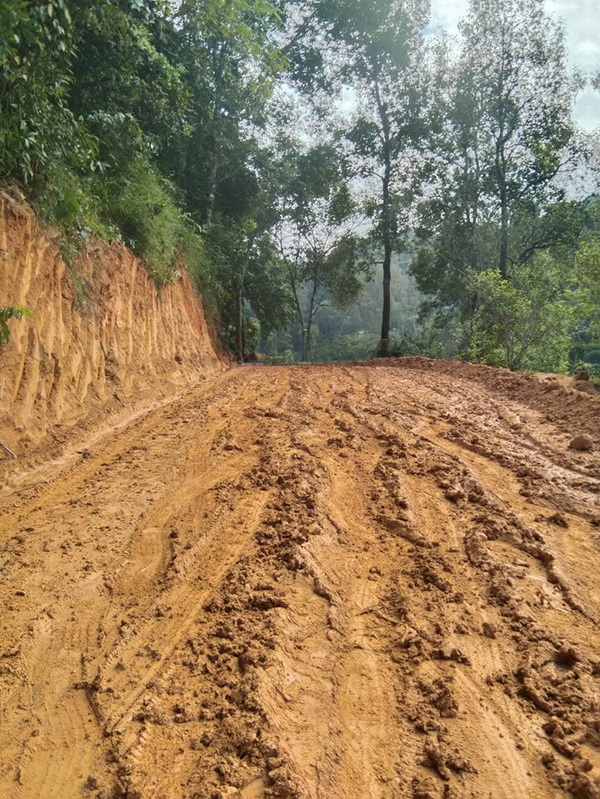
Muddy dirt trail with trees and soil bank on side at Doi Luang Chiang Dao.

Responsible travel is a central theme when exploring this region. Trekkers are encouraged to respect local communities, avoid disruptive behavior, and support conservation efforts by adhering to designated trails and campsites. This responsible approach helps maintain the ecological balance within the doi luang chiang dao forest park and surrounding wildlife sanctuary.

Moreover, travelers should be mindful of the cultural sensitivities of hill tribe communities living in proximity to trekking routes. Avoiding exoticizing or commodifying local cultures ensures that interactions remain respectful and mutually beneficial. Supporting community-led initiatives and purchasing local products can contribute positively to livelihoods without imposing on traditional ways of life.

In summary, planning extended treks and day trips around Doi Luang Chiang Dao involves balancing adventure with stewardship. This mindset ensures that the natural and cultural treasures of the region can be appreciated sustainably and meaningfully.

Nearby Attractions

Pha Daeng National Park

A waterfall surrounded by dense green trees and rocks in a forest setting at Pha Daeng National Park.

Pha Daeng National Park features a diverse landscape of steep hills, waterfalls, and dense forests that provide habitat for numerous wildlife species. The park’s trails offer accessible day hiking opportunities, allowing visitors to experience its ecological richness without extensive trekking. Its proximity to Doi Luang Chiang Dao makes it a valuable complement for those exploring the region’s natural attractions.

The park emphasizes conservation and environmental education, encouraging visitors to engage with the landscape thoughtfully. Waterfalls and viewpoints within the park showcase the dramatic terrain and provide ideal spots for rest and nature observation during day trips.

Ban Yang Pu Toh trekking

Forest floor with fallen leaves and moss, trees in the background at Ban Yang Pu Toh trekking.

Ban Yang Pu Toh trekking offers a more intimate encounter with northern Thailand’s forested hills and local culture. The route passes through areas known for their mineral hot springs, adding a wellness element to the trekking experience. These natural springs offer soothing relief and are a highlight for many day trip visitors.

The trekking trail also provides insight into the traditional lifestyles of nearby villages, where visitors can observe sustainable practices and community life. This combination of natural beauty and cultural context makes Ban Yang Pu Toh trekking a rewarding excursion accessible from Chiang Mai and the Doi Luang Chiang Dao region.

Bringing the Experience Together

Doi Luang Chiang Dao presents a unique destination for trekkers seeking extended adventures that connect deeply with nature and culture. Whether embarking on a 2 day Trek Chiang Mai or exploring day trips to nearby parks and trekking routes, travelers benefit from careful planning and a respectful approach to the environment and local communities. By embracing responsible travel practices and valuing the region’s ecological and cultural heritage, visitors help preserve the integrity of this remarkable area. This stewardship ensures that future generations of trekkers can continue to experience the profound beauty and challenges that Doi Luang Chiang Dao offers, making every journey here both an adventure and a meaningful act of conservation.