Singha Park Travel Guide for a Flexible Chiang Rai Itinerary
Plan a balanced day around countryside scenery, cultural landmarks, and flexible travel choices in Chiang Rai
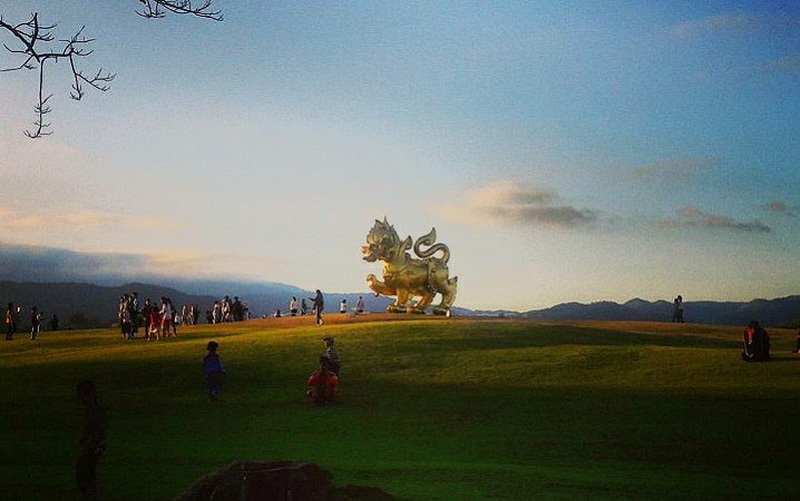
Singha Park is a useful starting point for travelers who want to experience Chiang Rai beyond a sequence of temple visits. In Mueang Chiang Rai District, the park presents a broad countryside setting associated with agricultural landscapes, open viewpoints, tea-growing areas, gardens, and outdoor activities. The experience is less about moving quickly between individual monuments and more about allowing time for scenery, walking, photography, and a change of pace from the city. For a solo traveler, the main planning question is not simply whether to Visit Singha Park, but how to fit it into a day that matches personal interests and energy. A flexible route can combine the park with one or two cultural sites, while a nature-minded itinerary may leave more time for the landscape itself. This approach also makes it easier to respond to weather, seasonal planting, transport conditions, and the amount of walking involved. This guide considers Singha Park Chiang Rai within the wider context of custom travel planning. It explains what a visitor may expect, how a Custom Chiang Rai Tour Package can be shaped without overloading the day, and why nearby cultural attractions deserve separate attention rather than being treated as quick photo stops.
Reading the Landscape at Singha Park
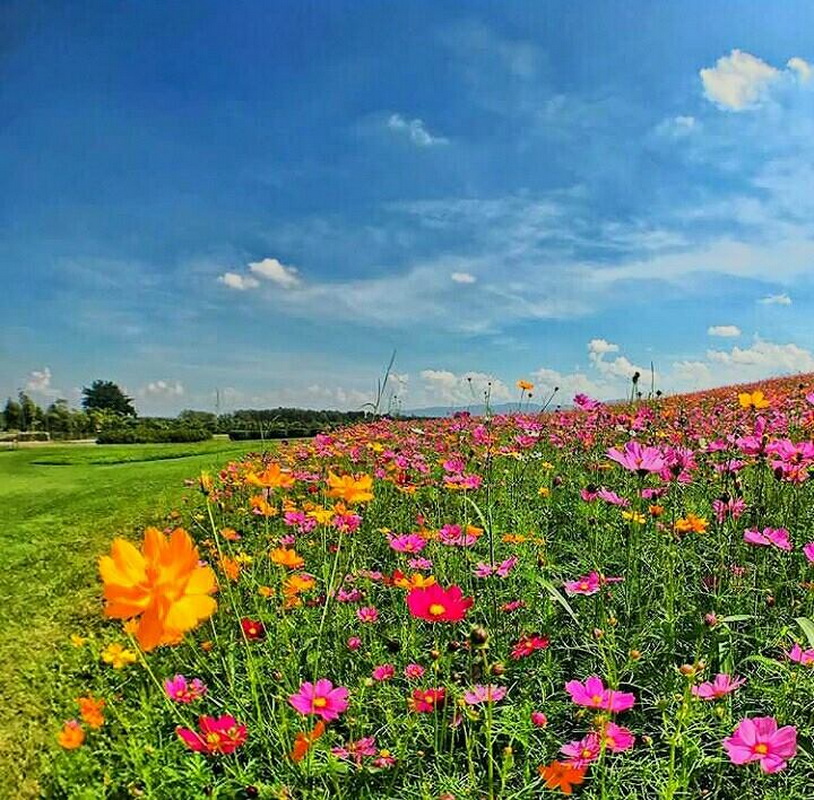
Singha Park is an expansive agricultural and recreational destination rather than a compact attraction that can be understood in half an hour. Visitors may encounter open lawns, cultivated fields, flowering areas, tea landscapes, and views across the surrounding hills. The appearance of the grounds can change with the season, so the visual experience is influenced by planting cycles, rainfall, and maintenance. It is sensible to approach the park as a landscape to explore gradually instead of expecting every feature to look identical throughout the year. Travelers researching Singha Park Travel Guide can use these details when planning the trip.
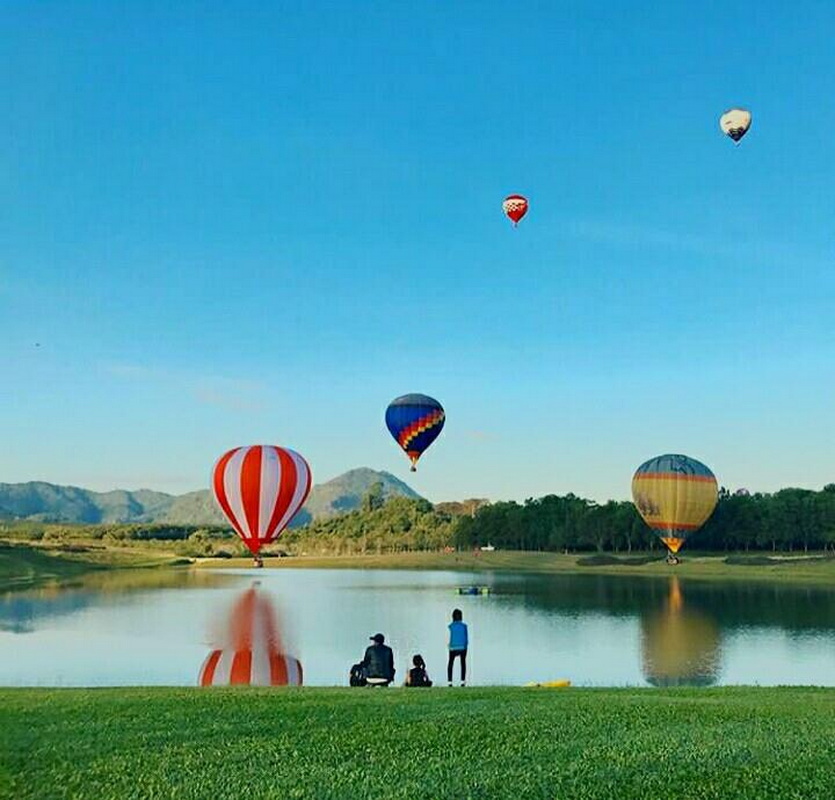
The park’s scale affects how a visit feels. Some travelers may prefer a slow circuit through accessible areas, pausing for photographs and taking in the rural setting. Others may be interested in outdoor activities or particular agricultural features. Available activities and access arrangements can change, so current information should be checked before relying on a specific experience. Comfortable shoes, sun protection, water, and light rain protection are practical additions, especially for anyone intending to spend several hours outdoors.
For a trekker or independent walker, the important distinction is between a scenic outing and a wilderness hike. Singha Park offers cultivated and managed landscapes, not a remote mountain trail system. Paths, roads, and activity areas may involve different surfaces and levels of shade. A visitor who has a knee condition, limited mobility, or a low tolerance for heat should allow flexibility and avoid assuming that the whole property can be covered on foot. Observing the land carefully can be more rewarding than trying to complete every possible stop.
Designing a Custom Day Without Rushing
A custom itinerary in Chiang Rai works best when it is built around priorities rather than a long checklist. Before arranging transport, decide whether the day is mainly for landscapes, architecture, museums, food, photography, or a mixture of these. Singha Park can serve as the spacious outdoor part of the plan, with cultural attractions placed before or after it according to travel distance, opening conditions, and the preferred pace. Leaving unplanned time is useful because countryside visits rarely feel identical from one season or weather pattern to another.
A Custom Chiang Rai Tour Package may be suitable for travelers who want to adjust the length of stops, choose a slower morning, or combine the park with selected Chiang Rai Thailand Attractions. Customization does not necessarily mean adding more locations. It can mean removing unnecessary transfers, allowing time for a meal, selecting a route with fewer stairs, or reserving an afternoon for rest. When discussing an itinerary with a provider or driver, clarify the intended start and finish points, the amount of walking, vehicle access, waiting arrangements, and what happens if rain changes outdoor plans.

Solo travelers should also consider communication and independence. Keep the day’s route, accommodation details, and an emergency contact accessible, and carry sufficient drinking water and basic medication. Rural areas may have fewer convenient services than central Chiang Rai, so it is helpful not to depend entirely on finding a shop at the exact moment it is needed. A phone with offline map information can support orientation, although it should not replace confirming local directions or transport arrangements.
A practical sequence might begin with a cultural site while energy is high, continue to Singha Park for open-air scenery and a slower middle portion of the day, and finish near the city. Another traveler may prefer the opposite order to reach the park when the light is more suitable for photography. Neither pattern is universally correct. The useful principle is to group places logically and protect enough time for the experience that matters most.
Preparing for Weather, Walking, and Seasonal Change
Northern Thailand’s conditions can make a straightforward sightseeing day feel more demanding. Heat, strong sunlight, humidity, and sudden rain all influence comfort in open agricultural areas. A small day bag with water, a hat, sunscreen, insect protection, and a light waterproof layer is practical. Breathable clothing is useful, while footwear with a secure sole is preferable to sandals if the route includes damp ground or uneven paths. Visitors should also be prepared for the possibility that a planned outdoor activity may be less suitable after rain.
Seasonal change is part of the park’s character. Tea fields, flowers, grass, and cultivated areas do not remain visually constant, and the best conditions for one landscape may not coincide with the best conditions for another. Travelers who have a particular photographic goal should treat it as a possibility rather than a guarantee. Checking recent local information before departure can prevent disappointment and can help determine whether more time should be allocated to indoor or cultural stops.
Responsible behavior is straightforward but important. Stay on permitted paths, avoid entering planted areas, do not pick flowers or crops, and follow instructions around activity zones. Agriculture is part of the destination’s working identity, not merely a backdrop. Keeping noise moderate and disposing of waste properly helps maintain the setting for residents, workers, and later visitors. These choices also make the visit more observant: instead of viewing the park only as a recreational space, travelers can notice how cultivated land and tourism operate together.
Building a Wider Chiang Rai Experience
Chiang Rai is often most rewarding when different kinds of places are connected thoughtfully. Singha Park provides an outdoor and agricultural perspective, while temples, museums, and historic urban areas offer other ways to understand the province. A Chiang Rai Travel Guide should therefore distinguish between a park visit and a cultural visit rather than describing every stop with the same language. The contrast between open countryside and carefully designed religious or artistic spaces can give a day greater balance.
A flexible itinerary should account for the character of each stop. A temple may require modest clothing and calm behavior, while a park visit calls for sun protection and walking shoes. Museums may involve concentrated attention and indoor time, whereas agricultural landscapes invite observation over a longer period. Planning these changes in advance reduces practical friction and shows respect for the different purposes of each site. It also helps a solo traveler decide when to take photographs and when to put the camera away.
Travelers comparing Chiang Rai Tour options should ask whether the proposed route leaves meaningful time at each location. A list containing many names can look efficient but may create a day of hurried arrivals and departures. A more useful question is whether the itinerary reflects the traveler’s physical ability, interests, and tolerance for transfers. For someone drawn to nature, Singha Park and a carefully chosen cultural landmark may be enough. For a visitor focused on art and heritage, the park can provide a restorative interlude rather than the central activity.
Choosing the Right Nearby Cultural Stops
Two well-known sites can be considered alongside Singha Park, but they serve different purposes. Wat Rong Khun is a contemporary Buddhist temple complex recognized for its white architectural surfaces and detailed symbolic decoration. It is an active religious and cultural setting as well as a visual landmark. Visitors should dress respectfully, follow any photography guidance, and remember that the site is not simply a themed attraction. Allowing time to look at the details and understand the atmosphere is more appropriate than treating the visit as a rapid photo opportunity.
Black House Museum, also known as Baan Dam in many travel references, presents a very different artistic environment. The complex is associated with the late Thai artist Thawan Duchanee and includes dark-toned buildings, artworks, and objects arranged across a landscaped setting. Its visual language can be intense and unconventional, and individual visitors may respond to it differently. Reading the displays carefully and approaching the work without reducing it to a curiosity allows a more respectful encounter with its artistic and cultural context.
Including either site with Singha Park requires attention to travel time and personal focus. Wat Rong Khun may appeal to travelers interested in religious architecture and contemporary interpretation, while Black House Museum may suit those drawn to art, design, and a more contemplative museum visit. Both can be included in a broader Chiang Rai itinerary, but neither needs to be rushed simply to increase the number of stops. A well-paced route gives each place enough room to remain distinct.
Nearby Attractions
Black House Museum
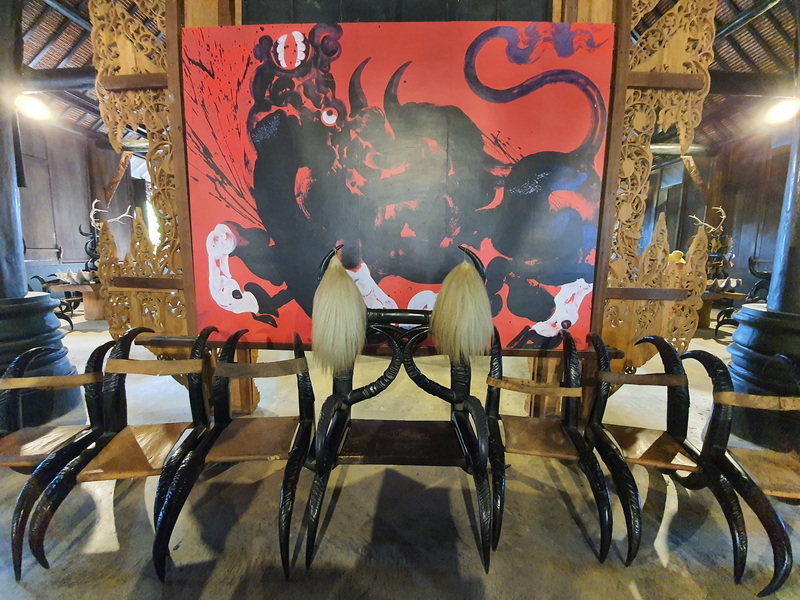
Black House Museum offers an art-focused counterpoint to the open agricultural setting of Singha Park. Its collection and buildings are connected with Thawan Duchanee’s distinctive artistic practice, using dark architectural forms, natural materials, and symbolic objects to create a complex visual atmosphere. The visit may feel more reflective than conventional sightseeing, so travelers should allow time to look closely rather than expecting a single viewpoint to explain the entire site.
As with any museum or cultural compound, current access arrangements and visitor guidance should be confirmed before setting the day’s schedule. Respectful behavior, careful photography, and attention to posted instructions are appropriate. Its inclusion in a custom route is particularly useful for travelers who want to balance outdoor scenery with art and cultural interpretation.
Wat Rong Khun

Wat Rong Khun is a contemporary Buddhist temple complex distinguished by white architecture, reflective details, and elaborate ornament. Its imagery contains religious and moral symbolism, while the design also reflects modern artistic interpretation. Visitors can appreciate the craftsmanship while remembering that the complex remains a place of religious significance. Modest clothing, quiet conduct, and compliance with local instructions help preserve a respectful atmosphere.
The site pairs naturally with Singha Park for travelers seeking both cultural architecture and a rural landscape, but the two experiences should not be collapsed into one. A temple visit benefits from attentive observation of its forms and symbols; the park invites a slower engagement with fields, gardens, and open views. Checking current conditions before travel helps determine how much time can be allocated to each without making the day unnecessarily hurried.
A Last Look at the Journey
Singha Park can anchor a flexible Chiang Rai day when travelers treat it as a landscape experience rather than a brief checklist stop. Combine its agricultural scenery with one or two carefully selected cultural sites, prepare for heat and changing weather, and leave enough time for walking at a comfortable pace. A thoughtful Custom Chiang Rai Tour Package should adapt to interests and practical needs, not simply add more destinations. With that planning approach, Singha Park becomes a useful part of understanding Chiang Rai through its countryside, creative traditions, and living places of worship.
