Thursday, November 5, 2026

Chiang Rai Khon Muan Street and Custom Routes Beyond the Usual Sights

Chiang Rai Khon Muan Street and Custom Routes Beyond the Usual Sights

A thoughtful guide to tailoring a market visit with quieter cultural and nature experiences around northern Thailand
Travel photograph selected for Chiang Rai Khon Muan Street destination guide.

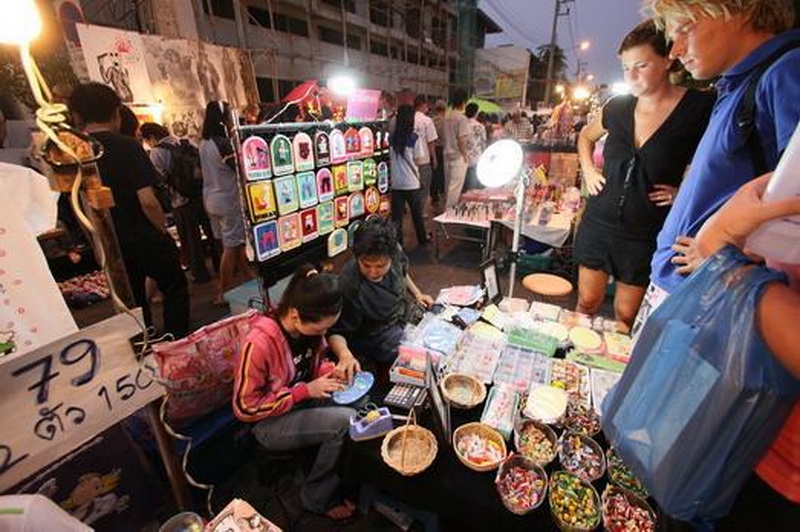
A visit to Chiang Rai Walking Street can be more than an evening spent browsing stalls. In Mueang Chiang Rai District, Chiang Rai, the street offers a setting where local food, handmade goods, music, and everyday social life meet in a walkable public space. The experience is best approached with curiosity rather than a checklist: the appeal lies in noticing how residents use the street, how vendors present regional products, and how the atmosphere changes from one part of the market to another. For travelers who do not want a fixed sightseeing sequence, Chiangrai Khon Muan Street can become one part of a personalized northern Thailand journey. A custom itinerary may leave room for the market, a nature stop, a cultural visit, or an unhurried meal, depending on interests and available time. This approach is especially useful for visitors traveling from Chiang Mai who want to combine Chiang Rai’s familiar landmarks with less commonly discussed places. The goal is not to collect as many stops as possible, but to create a balanced day that respects local communities and allows each place to be experienced at an appropriate pace.

Reading the Character of Chiang Rai Walking Street

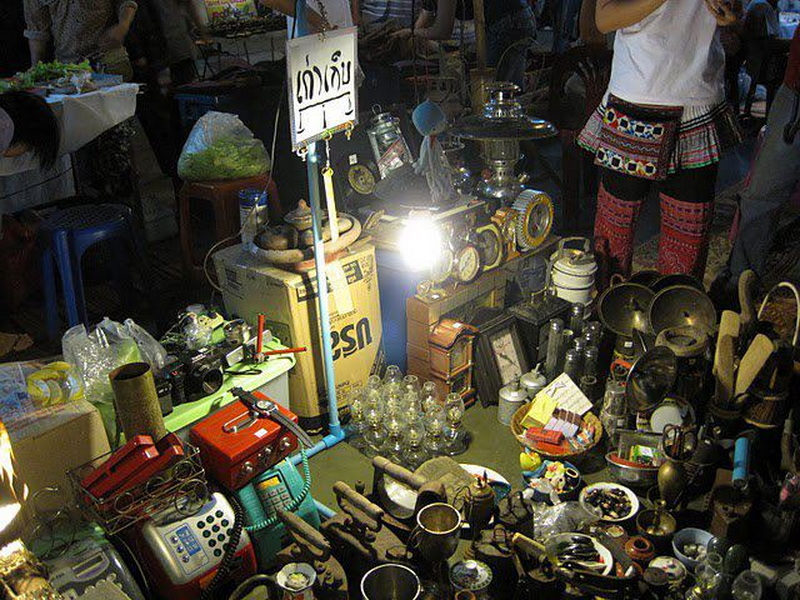
Chiang Rai Walking Street is a local market environment rather than a single monument with one prescribed way to visit. Its cultural value comes from ordinary encounters: food being prepared, products being displayed, families and friends spending time together, and creative work finding a public audience. Travelers should treat these details as part of the destination’s living culture, not as a performance arranged solely for visitors. Asking before photographing people or their products is a simple way to show consideration.
Travel photograph selected for Chiang Rai Tour Packages destination guide.

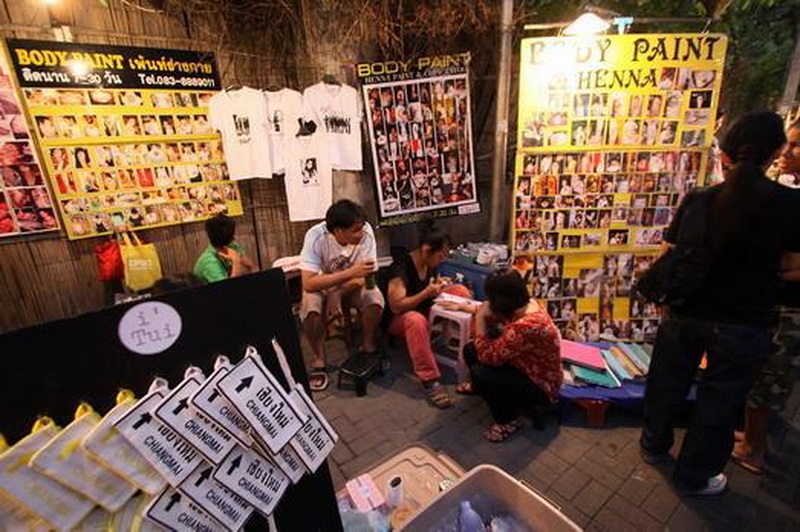
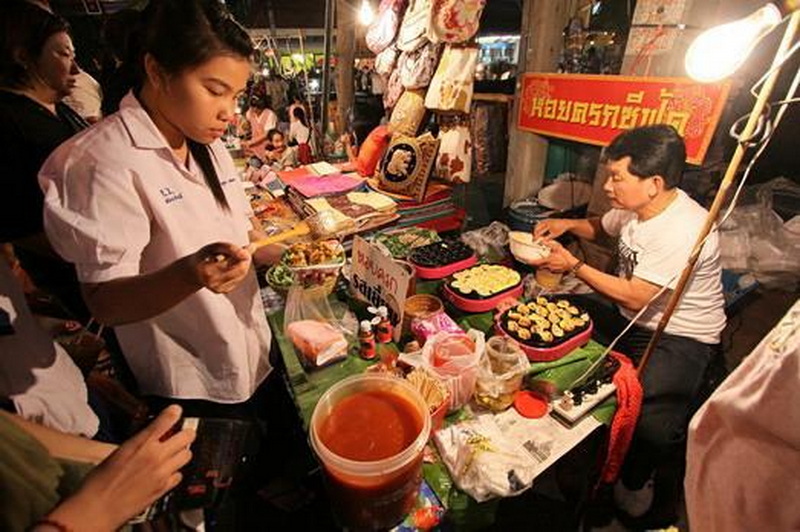
The name Chiangrai Khon Muan Street is often used alongside Chiang Rai Walking Street when discussing this attraction. For a first visit, it helps to think in terms of atmosphere and observation rather than a strict list of purchases. Regional snacks may introduce unfamiliar flavors, while craft stalls can offer insight into materials, patterns, and practical traditions. Even when nothing is bought, respectful browsing and leaving space for local shoppers help maintain the street’s community character.

A useful Chiang Rai Walking Street Travel Guide should therefore include cultural awareness as well as navigation. Visitors may wish to note which foods suit their preferences, carry reusable bags, and avoid assuming that every stall welcomes close inspection. The market is more rewarding when travelers slow down, make considerate choices, and accept that the most memorable details may be small ones rather than headline attractions.

Building a Custom Route Around Personal Interests

The strongest reason to choose a flexible route is that travelers rarely share the same idea of an ideal Chiang Rai experience. One person may be interested in regional food and craft traditions, another in landscape, and another in photography or local history. A Custom Chiang Rai Tour Package can reflect those differences by giving priority to selected themes instead of attempting to include every well-known stop. The important planning question is not how many places fit into a day, but which experiences belong together.

A market-centered route could begin with cultural context and finish with time for Chiang Rai Walking Street, allowing the street to serve as an informal point of reflection after visits elsewhere. A nature-focused route might pair the market with a park or riverside setting, while a slower plan could reserve more time for conversation, food tasting, and independent browsing. Travelers should discuss mobility needs, dietary concerns, photography preferences, and the desired pace before confirming arrangements with a tour provider or local guide.

Customization also means leaving realistic space between experiences. Northern Thai destinations can be more enjoyable when the schedule is not crowded with short stops. A traveler interested in crafts may gain more from one thoughtful market visit than from several rushed attractions. Likewise, visitors should ask whether a proposed activity supports local communities respectfully and whether the description reflects what can reasonably be experienced, rather than relying on exaggerated promises.
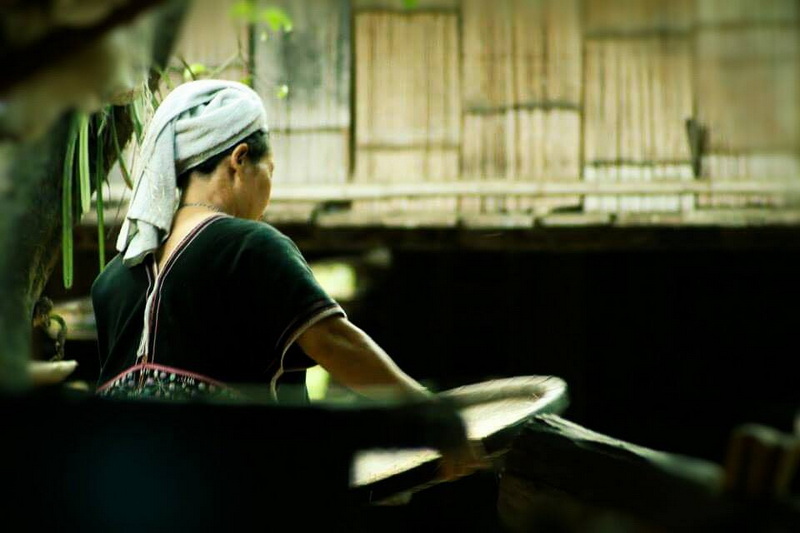
Travel photograph selected for Chiang Rai Khon Muan Street destination guide, Chiang Rai Khon Muan Street main article view 2 2

Connecting Chiang Mai with Less-Familiar Ideas

Travelers beginning in Chiang Mai often search for Unseen Attractions In Chiang Mai because they want to move beyond the city’s most repeated highlights. The phrase can describe a travel preference rather than a guarantee that a place is completely unknown. Lesser-visited community spaces, small cultural sites, gardens, craft areas, and quiet viewpoints may be meaningful when approached with proper context, but their value should not be measured only by how few tourists appear there.

A customized Chiang Mai to Chiang Rai journey can use this preference as a planning principle. Rather than treating Chiang Mai and Chiang Rai as unrelated destinations, a route can compare how communities express food, craft, religious practice, and public life in different settings. The contrast may be subtle, and that is part of the appeal. Travelers should avoid entering residential or religious spaces without guidance, and they should follow local rules concerning dress, silence, photography, and donations.

For visitors considering a Visit Chiang Rai Walking Street plan from Chiang Mai, the main practical decision is how much time to dedicate to the market itself. A rushed arrival followed by an immediate departure may technically include the attraction but leave little room to understand it. A better custom plan can protect time for observing stalls, choosing food carefully, and considering how the street relates to the wider city. This makes the market a cultural experience rather than merely a shopping stop.

Choosing a More Responsible Custom Experience

Personalized travel works best when the traveler’s preferences are balanced with the needs of the places being visited. A guide or tour planner can help identify suitable themes, but visitors should still ask clear questions about group size, walking demands, cultural etiquette, and what is included in broad descriptions. Exact schedules and availability may change, so flexible language is more reliable than assuming every proposed activity will operate in the same way throughout the year.

Responsible behavior is especially important in markets and community areas. Bargaining, where it is customary, should remain courteous rather than confrontational. Travelers can support vendors by purchasing only what they genuinely want, handling merchandise carefully, and avoiding intrusive photographs. Food choices should also be made with awareness of personal allergies and local conditions. These small decisions help ensure that a custom route benefits from local character without turning community life into a spectacle.
Travel photograph selected for Chiang Rai Khon Muan Street destination guide, Chiang Rai Khon Muan Street main article view 3 2

A personalized itinerary can also include quiet time. Sitting with a drink, noticing regional ingredients, or discussing a craft’s practical use may provide more understanding than moving rapidly between photo opportunities. This slower approach suits travelers who value discovery, and it gives local hosts and vendors room to present their work on their own terms. The result is a more grounded experience of Chiang Rai Walking Street Thailand.

Practical Questions Before Confirming the Route

Before arranging a custom tour, travelers should identify the experience they want to remember. Is the priority regional food, handcrafts, cultural interpretation, nature, photography, or a mixture of these? A clear answer helps a guide suggest a coherent route instead of a collection of disconnected stops. It is also useful to explain whether the group includes older travelers, children, people with limited mobility, or anyone with dietary restrictions.

Travelers should confirm the general meeting point, expected walking level, language support, and the amount of independent time available. They can also ask how cultural visits are handled and whether permission is sought before entering sensitive spaces or photographing people. These questions are not merely administrative; they help establish respectful expectations between visitors, guides, and communities.

Finally, allow the plan to remain adaptable. Weather, local activities, personal energy, and community circumstances can affect the day. A route that has one central purpose and a few flexible elements is often more satisfying than an overpacked itinerary. For Chiang Rai Khon Muan Street, that central purpose might be to understand the relationship between a public market, local creativity, and the broader cultural landscape of Mueang Chiang Rai District.

Nearby Attractions

Lam Nam Kok National Park
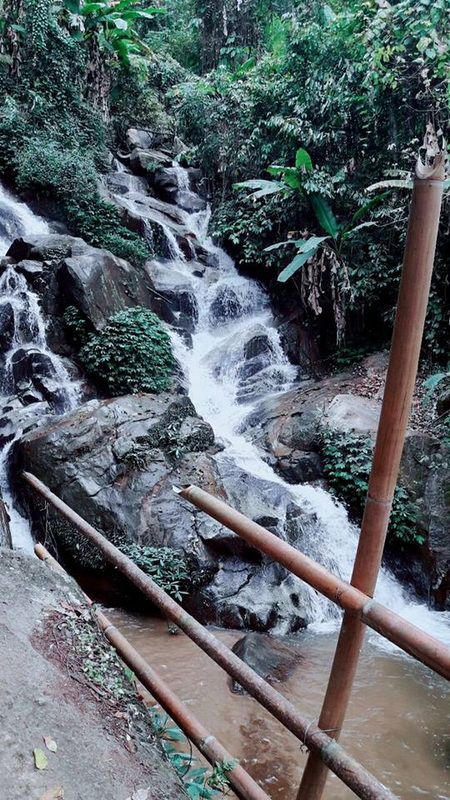
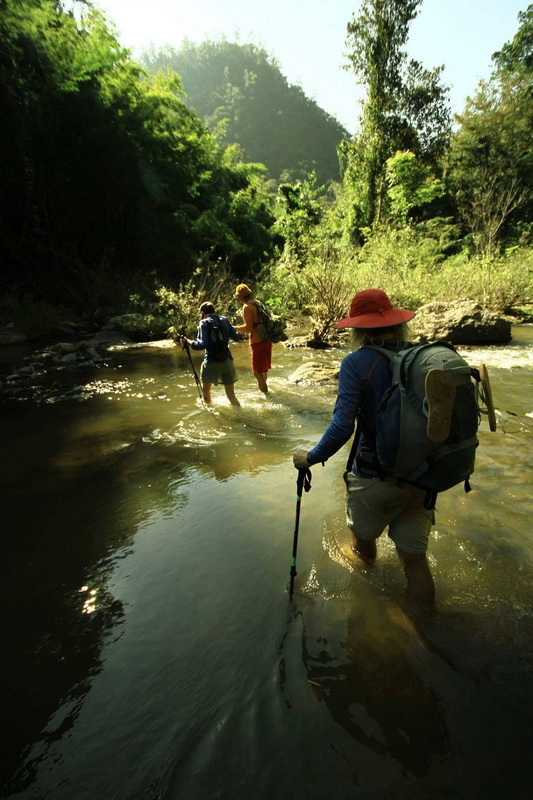
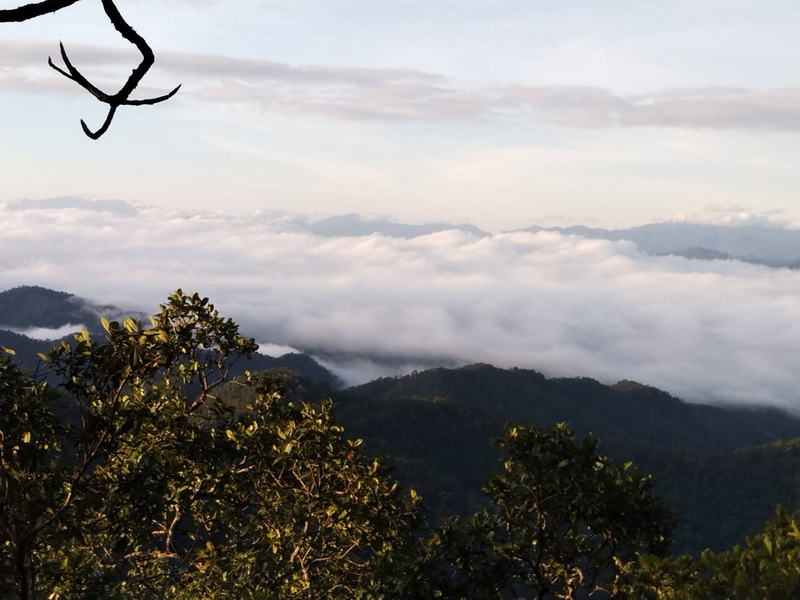
Travel photograph selected for Lam Nam Kok National Park destination guide.

Lam Nam Kok National Park offers a nature-oriented complement to a market visit in Chiang Rai. Its forests, waterways, and varied landscapes provide a different pace from the urban atmosphere of Chiang Rai Walking Street. The park is suitable for travelers who want a custom route with time for scenery and quiet observation, although outdoor conditions and access can vary. Visitors should follow marked guidance, carry out rubbish, avoid disturbing plants or animals, and respect local rules.

Pairing the park with the market works best when the itinerary does not treat nature as a hurried photo stop. Travelers can discuss the level of walking and outdoor activity in advance, then leave enough time to appreciate the change from city streets to a more natural setting. This combination gives a custom tour both cultural and environmental dimensions without claiming that every trail or activity is always available.

Singha Park
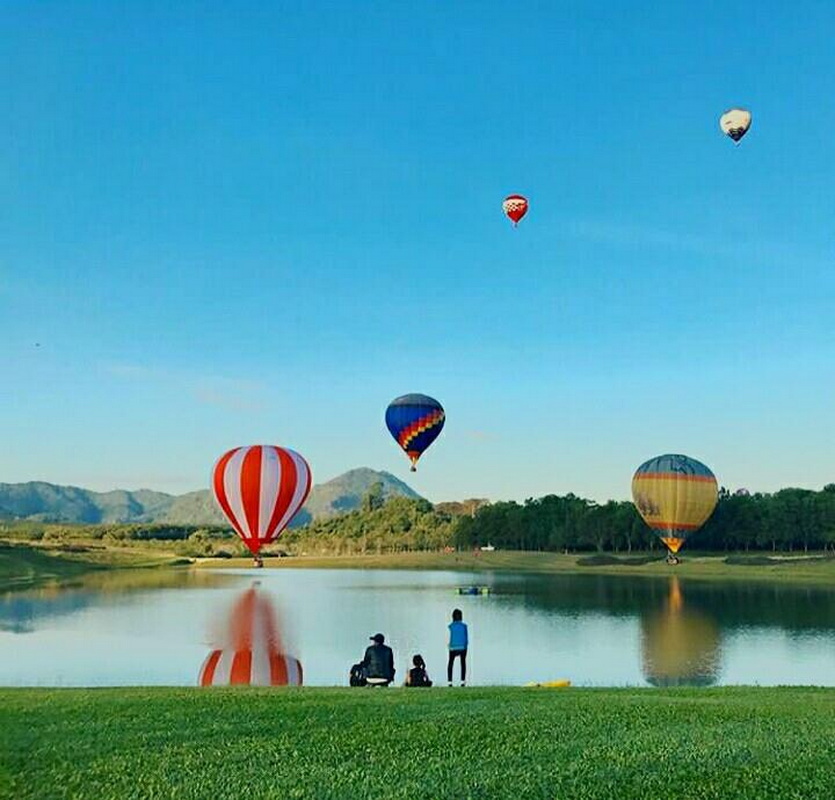
Travel photograph selected for Singha Park destination guide.

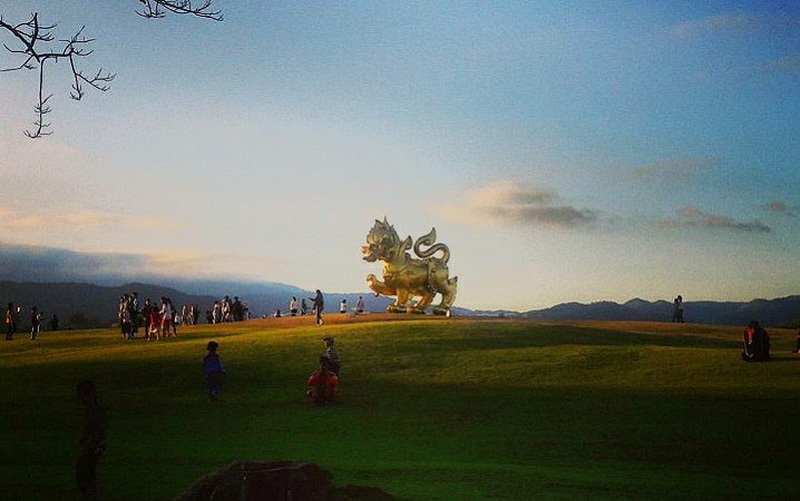
Singha Park provides another possible addition for travelers seeking open landscapes alongside a visit to Chiang Rai Khon Muan Street. Its broad agricultural and recreational setting can appeal to visitors who enjoy scenery, cultivated spaces, and a break from dense urban areas. Because conditions and visitor services may change, travelers should verify current information before building a detailed plan around the site.

A thoughtful route treats Singha Park as a distinct experience rather than simply another location to tick off. It can suit a custom itinerary that balances the market’s social energy with time outdoors, while still leaving room for local food and cultural observation. Visitors should use designated areas, respect staff guidance, and avoid presenting the landscape or local community as a backdrop without context.

A Last Look at the Journey

Chiang Rai Walking Street becomes especially rewarding when it is given room to be understood rather than hurried through. A flexible route can connect the market’s food, crafts, and community atmosphere with nature-based experiences and lesser-known ideas from Chiang Mai. By choosing a manageable pace, asking respectful questions, and avoiding unsupported promises about what a tour will provide, travelers can create a journey that feels personal without losing sight of local dignity. The most distinctive custom experience may be one that leaves space for observation, conversation, and the unexpected details of northern Thai everyday life.

Wednesday, November 4, 2026

Baan Huai Kung and the Cultural Setting of Mae Hong Son Trekking

Baan Huai Kung and the Cultural Setting of Mae Hong Son Trekking

A respectful look at Karen culture, trekking providers, and the landscapes surrounding Ban Huay Kung Village

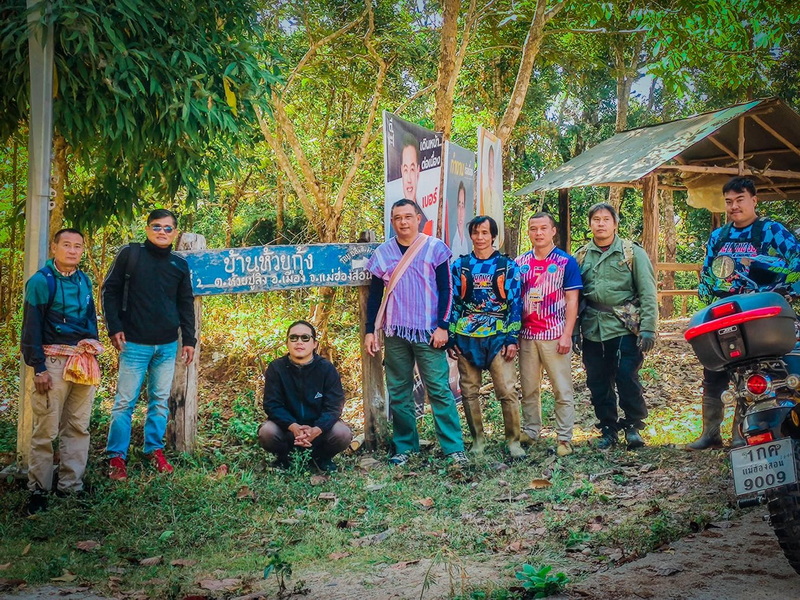
Travel photograph selected for Baan Huai Kung destination guide.

In the mountainous country of Mae Hong Son, Baan Huai Kung is best understood not as a staged attraction but as a living village setting connected to Karen community life, forest landscapes, and regional travel routes. Visitors researching the area often encounter several spellings, including Ban Huai Kung, Ban Huay Kung, and Huai Kung Village. These names can refer to the same general cultural destination, so checking local context is important when planning a visit. The village also appears in searches for trekking providers. That connection reflects Mae Hong Son’s wider walking culture, where local knowledge can help visitors understand paths, weather, forests, farms, and communities. However, the phrase Best Trekking Companies Mae Hong Son should not be treated as an automatic ranking. A responsible choice depends less on advertising language than on clear communication, respect for residents, appropriate group behavior, and a willingness to follow local guidance. This focused guide considers the cultural background around Ban Huay Kung Village, explains how trekking companies fit into the region, and places two nearby points of interest—Wat Phra That Chom Mon and Salawin National Park—within the same travel picture. The emphasis is on context rather than a fixed itinerary, allowing the village and its residents to remain more than a backdrop for photographs.

Karen culture as a living community context

The Karen are one of the established ethnic communities of mainland Southeast Asia, with communities in Thailand and neighboring countries. Karen identity is expressed through language, family relationships, local history, religious practice, farming traditions, weaving, clothing, and other forms of everyday life. These features should be approached as parts of a living culture rather than as decorative symbols arranged for visitors.

Around Huai Kung Village, cultural understanding begins with ordinary observation. Homes, cultivated land, paths, forest edges, and community spaces may all have practical meanings that are not immediately visible to an outsider. A traveler may notice woven garments or distinctive patterns, but it is better to see them as connected to identity, skill, and continuity instead of treating them as costumes created for tourism.

The term Karen Hilltribe is widely used in travel writing, although some people prefer more specific community or ethnic names depending on personal identity and context. Visitors should avoid assuming that every Karen community has the same customs, history, or religious life. Asking permission before photographing people, especially children or people engaged in work or ceremonies, is a basic sign of respect. Purchasing locally made goods directly and accepting a polite refusal without pressure can also support a more balanced encounter.

Cultural sensitivity is particularly important in villages that receive visitors because repeated outside attention can influence how communities are represented. Travelers should not enter private areas, handle household objects, or interrupt work simply to obtain a photograph. Listening carefully, using an interpreter when appropriate, and allowing residents to decide what they wish to share create a more dignified exchange.

What trekking companies contribute in Mae Hong Son

Trekking companies in Mae Hong Son generally sit between visitors and a complex local environment. Their role may include helping travelers understand rural paths, coordinating local knowledge, explaining safety considerations, and creating communication between guests and communities. The quality of that relationship matters more than the size or visibility of a company. A provider that treats residents as partners is more valuable than one that presents villages as scenery.

Travel photograph selected for Mae Hong Son destination guide.

Searches for the Best Trekking Companies Mae Hong Son can therefore be misleading if they encourage travelers to choose only by promotional claims. There is no universal definition of “best,” and a responsible provider should be assessed through questions about conduct rather than exaggerated promises. Travelers can look for transparent descriptions of cultural visits, respect for photography consent, sensible group behavior, appropriate waste practices, and acknowledgment of local guides or community contributors.

A trekking provider should also communicate honestly about the nature of the experience. Mae Hong Son’s terrain can involve uneven ground, steep sections, heat, rain, and changing trail conditions. Ethical information does not need to promise an effortless adventure or guaranteed wildlife sightings. It should help visitors form realistic expectations while recognizing that local conditions may change.

Travel photograph selected for Baan Huai Kung destination guide, Baan Huai Kung main article view 2 2

For Ban Huay Kung, the most appropriate trekking relationship is one that keeps the village’s priorities visible. Visitors should be prepared to walk quietly, follow instructions about where they may go, avoid leaving litter, and refrain from turning personal interactions into performances. If a community does not wish to receive visitors at a particular time, that decision should be accepted. Responsible trekking is not simply movement through a landscape; it is an agreement to behave carefully within someone else’s home region.

Reading Ban Huay Kung Village beyond the viewpoint

Ban Huay Kung Village can be approached as a place where cultural and environmental questions meet. The surrounding uplands are shaped by rainfall, forest cover, farming, streams, roads, and settlement patterns. A walk through this kind of landscape may reveal how people depend on nearby natural resources, but a short visit cannot explain every aspect of local life. Visitors should resist drawing broad conclusions from a single conversation or a brief visual impression.

The spelling Baan Hauy Kung may appear in search results alongside Huay Kung Village and Ban Huai Kung Village. Such variation is common when Thai place names are rendered in English. Using more than one spelling can help with research, but travelers should confirm the intended location through current local information before setting out. Place-name variation should not be confused with evidence that each spelling represents a separate attraction.

The village experience is strongest when travelers leave room for unplanned observation without demanding entertainment. A resident tending crops, preparing food, weaving, or traveling between homes is not automatically available for explanation or photography. A respectful visitor can learn through a guide’s interpretation, notice the relationship between settlement and terrain, and understand that silence and privacy are also meaningful parts of community life.

This approach changes the purpose of trekking. Instead of collecting images or claiming an “authentic” encounter, visitors can pay attention to relationships: between people and land, between local guides and guests, and between conservation needs and daily livelihoods. That perspective makes the experience less extractive and more educational.

Questions to consider before selecting a provider

Travelers comparing trekking companies can begin with practical questions that reveal how a provider works. Does it explain cultural etiquette before a village visit? Does it identify who leads the walk and whose local knowledge is being used? Does it ask permission for photographs and describe how visitors should behave around homes, ceremonies, or community areas? Clear answers suggest that cultural encounters are being treated as relationships rather than as guaranteed products.

Travel photograph selected for Baan Huai Kung destination guide, Baan Huai Kung main article view 3 2

Environmental responsibility is equally relevant. Visitors can ask how groups handle rubbish, whether trails are used with care, and how the provider responds to weather or route changes. A responsible company should not pressure guides or guests to continue when conditions are unsafe. It should also avoid promising rare animals, untouched landscapes, or private access that could encourage unrealistic expectations.

Travelers should be cautious about language that ranks communities, labels people as exotic, or suggests that a village exists primarily for tourist discovery. Descriptions centered on dignity, local participation, and informed consent are more trustworthy. The same principle applies to photographs and online reviews: images should not be used to imply access or intimacy that residents did not grant.

These considerations are useful whether a traveler is comparing established operators, local guides, or community-connected arrangements. The aim is not to identify a single winner, but to choose an approach compatible with the values of the destination. Around Ban Huay Kung Village, a slower and more respectful experience may teach more than a highly packaged visit.

Preparing for a respectful visit

Preparation can be simple. Wear practical clothing suitable for walking and changing weather, carry reusable water and personal essentials, and keep noise low near homes and religious places. Ask before photographing people or buildings, avoid unsolicited physical contact, and do not distribute sweets or gifts to children without guidance from a responsible local intermediary. These habits reduce the chance that a well-intentioned visit will create discomfort.

It is also helpful to learn a few basic facts about the area without assuming that reading about Karen culture makes someone an expert. Listen to local explanations, accept corrections, and recognize that beliefs and practices may differ between families. If conversation is limited by language, patience and respectful body language remain valuable. The goal is not to force a deep personal exchange but to leave people with control over their own participation.

Nearby religious and natural sites can broaden the visit, yet they should not be treated as interchangeable photo stops. Wat Phra That Chom Mon calls for quiet, modest behavior and attention to religious boundaries. Salawin National Park represents a wider landscape whose ecological value and local significance deserve care. Together, these places show why a trip near Huai Kung is best understood through several connected settings rather than one isolated attraction.

Nearby Attractions

Wat Phra That Chom Mon

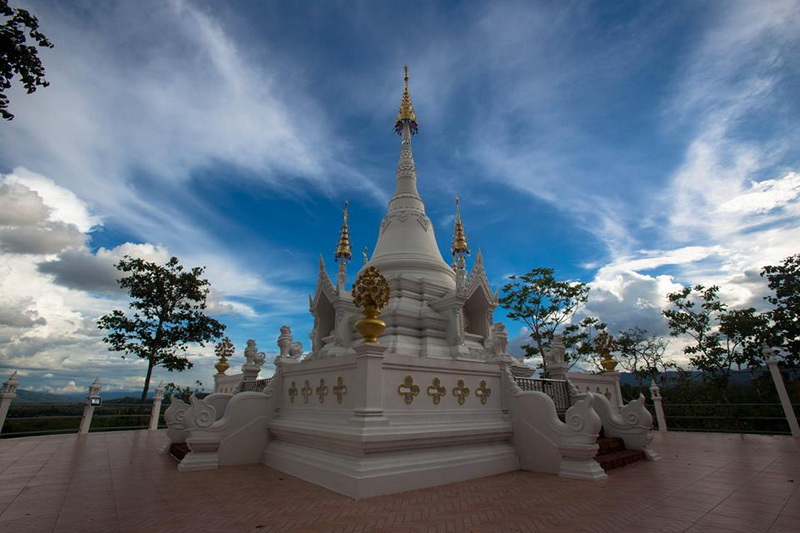
Travel photograph selected for Wat Phra That Chom Mon destination guide.

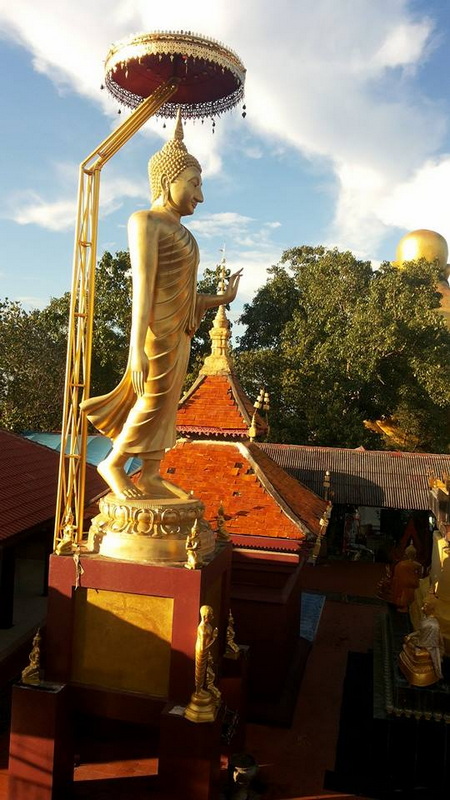
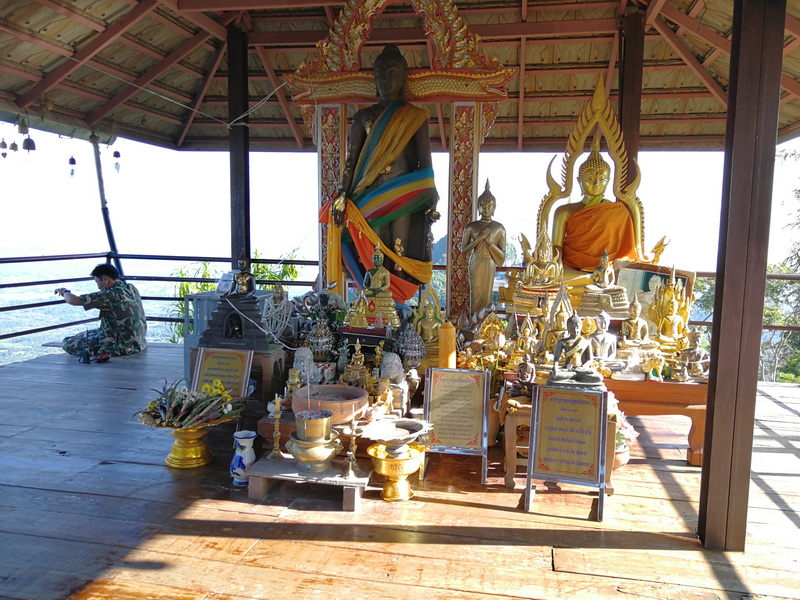
Wat Phra That Chom Mon is a nearby religious site that adds a spiritual dimension to the cultural landscape around Ban Huay Kung. As at any Buddhist temple, visitors should dress modestly, keep their voices low, and observe signs or local instructions about entry and photography. The temple should be approached as a place of worship and community significance, not simply as a scenic pause during a trek.

For travelers, the value of visiting lies in noticing how religious spaces are maintained and respected within the wider region. A calm visit can complement cultural learning in the village, provided that visitors do not compare communities as attractions or interrupt worshippers. Photography should remain secondary to respectful conduct.

Salawin National Park

Travel photograph selected for Salawin National Park destination guide.

Salawin National Park provides a broader natural setting for understanding the forested borderland of Mae Hong Son. The park is associated with rugged terrain, river landscapes, woodland, and habitats that require careful management. Conditions in protected areas can vary, so travelers should follow current local guidance, remain on appropriate routes, and avoid disturbing plants, animals, or watercourses.

Its presence near the village helps explain why trekking in this region is more than a recreational walk. Forest protection, local livelihoods, travel access, and cultural geography overlap. Visitors should carry out their rubbish, avoid collecting natural objects, and recognize that a national park is a managed environment rather than an unlimited wilderness available for personal use.

A Last Look at the Journey

Ban Huai Kung offers a meaningful setting for travelers who want to connect cultural understanding with the landscapes of Mae Hong Son. The Karen Hilltribe context deserves patience, consent, and attention to everyday community life, while trekking providers should be judged by responsible conduct rather than promotional rankings. By visiting Wat Phra That Chom Mon respectfully, treating Salawin National Park with care, and allowing local people to set the terms of engagement, travelers can approach Ban Huay Kung Village with greater humility. The most valuable experience may be not what a visitor collects, but how thoughtfully they move through the place.

Tuesday, November 3, 2026

Queen Cham Dhavi Monument and the Cultural Heart of Lamphun

Queen Cham Dhavi Monument and the Cultural Heart of Lamphun

A respectful heritage visit connecting Queen Camadevi, Lamphun Thailand, and northern cultural travel

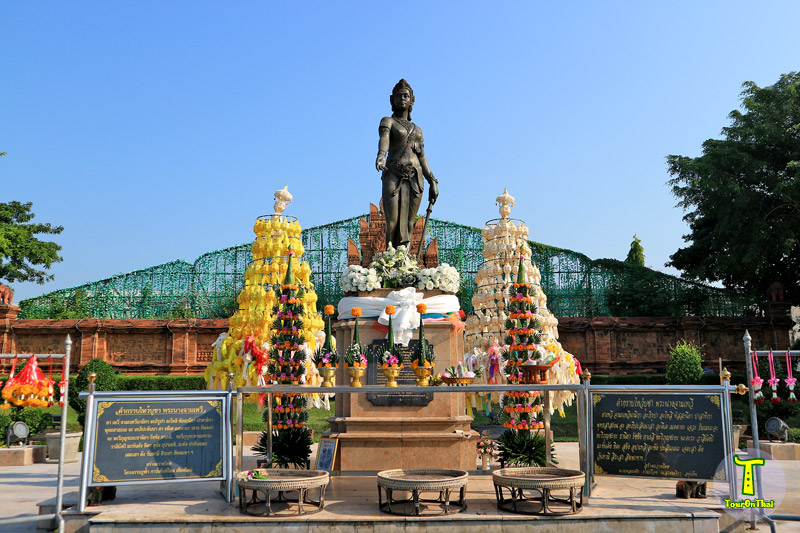
Travel photograph selected for Cham Dhavi Monument destination guide.

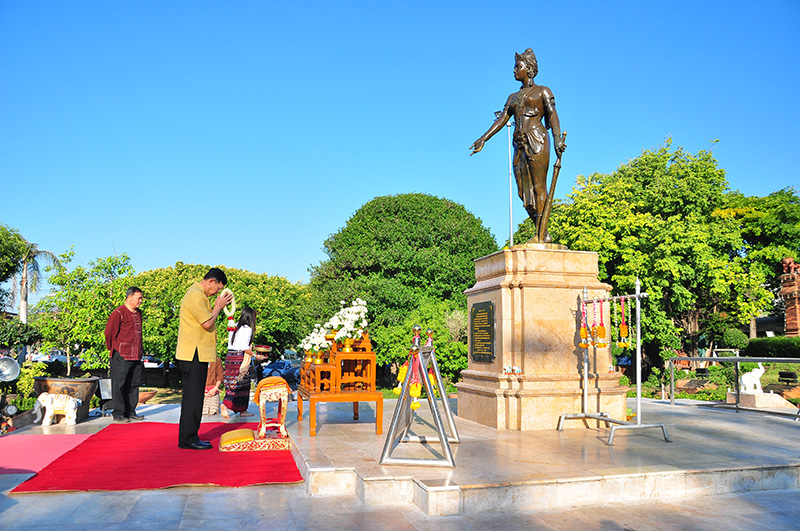
In Mueang Lamphun District, Lamphun, the Queen Cham Dhavi Monument provides a meaningful starting point for understanding one of northern Thailand’s oldest urban communities. The monument commemorates Queen Camadevi, a central figure in the traditional history of Hariphunchai, the ancient kingdom associated with present-day Lamphun. For visitors, the site is not simply a statue to photograph. It is a place where memory, local identity, and the wider story of the Ping River region come together. A visit here suits travelers who want cultural context rather than a hurried checklist of sights. The monument can be considered alongside temples, public spaces, and historic landmarks that show how Lamphun has preserved links to its past while remaining a living provincial city. Travelers comparing a Chiang Mai Tour Package with a more focused northern Thailand experience may find that Lamphun adds depth to a regional journey. Its quieter atmosphere encourages observation: the respectful gestures made before the statue, the flowers offered by visitors, and the continuing presence of Queen Camadevi in local heritage all give the visit its character.

Queen Camadevi and the Meaning of the Monument

Queen Camadevi is traditionally remembered as the founding queen of Hariphunchai, a Mon polity that flourished in the Lamphun area. Accounts of her life combine historical tradition, religious narratives, and local legend, so individual details should be approached with care. What remains clear in the cultural memory of Lamphun is her importance as a respected female ruler connected with the establishment and early development of the city. The monument gives that memory a visible and dignified form.

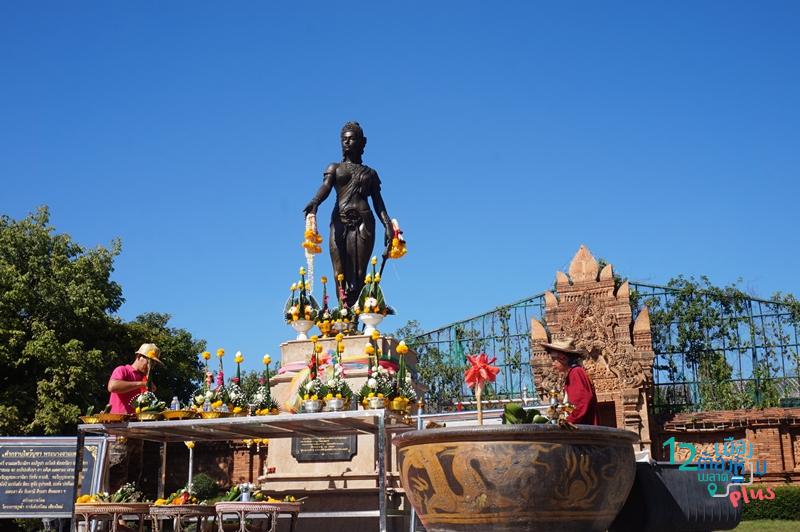
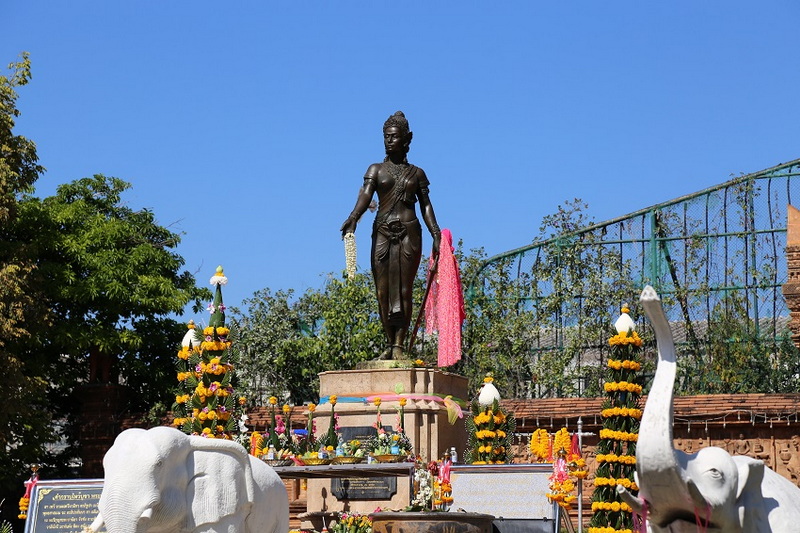
The statue is commonly known through several names, including Camadevi Monument, Phra Nang Chamthewi Statue, and Queen Camadevi Statue. These variations reflect differences in transliteration and local usage rather than separate historical figures. Visitors may see offerings and quiet acts of respect around the monument, illustrating that Queen Camadevi remains more than a subject in a history book. She represents leadership, civic beginnings, and the continuity of Lamphun’s cultural identity.

The Chamthewi Statue also invites reflection on how communities preserve the memory of important figures. Its significance lies not only in the artistic representation of a royal woman, but also in the relationship between the monument and the people who visit it. A thoughtful observer can notice how heritage is practiced through gestures, flowers, incense, and moments of stillness. These expressions should be viewed respectfully, without treating them as a performance created solely for tourists.

Lamphun Thailand as a Heritage Destination

Lamphun Thailand is often associated with its ancient history, Buddhist temples, and compact urban setting. The province sits close to Chiang Mai, yet its identity is distinct. The old Hariphunchai tradition gives the area a historical depth that predates many modern assumptions about northern travel. A visit to the monument therefore works best when considered as part of a wider cultural landscape rather than as an isolated stop.

Travel photograph selected for Lamphun destination guide.

The city’s heritage can be understood through layers. Early Hariphunchai traditions form one layer; later Lanna influence forms another; and contemporary community life provides the present-day setting. Architecture, religious practice, local festivals, and stories about respected leaders all contribute to this layered identity. The monument helps visitors begin with a human figure before looking outward toward the city and the region that shaped her legacy.

For culture-focused travelers, Lamphun offers a slower complement to the busier attractions of Chiang Mai. This does not mean the province is frozen in the past. Markets, roads, homes, schools, and places of worship show an active community continuing its everyday life. The value of visiting is found in noticing how historical memory coexists with ordinary routines. That balance can make Lamphun more rewarding than a destination approached only through a list of famous landmarks.

Travel photograph selected for Cham Dhavi Monument destination guide, Cham Dhavi Monument main article view 2 2

A Chiang Mai Tour Package may use Chiang Mai as a convenient regional base or gateway, but the phrase should not limit the journey’s cultural scope. Travelers can regard Lamphun as an important part of northern Thailand’s heritage story, especially when their interests include early kingdoms, Buddhist traditions, and local interpretations of history. Even without planning a detailed itinerary, setting aside time for the monument and its surrounding cultural context can make a broader trip feel more connected.

How to Observe the Site Thoughtfully

The most useful way to approach the Queen Cham Dhavi Monument is with patience. Begin by observing the setting and the way local visitors conduct themselves. If people are making offerings or praying, allow them space and avoid interrupting private moments. Clothing that is comfortable yet respectful is appropriate, particularly when the monument visit is combined with time at religious sites. The goal is not to imitate rituals without understanding, but to recognize that the place has meaning beyond its value as a travel photograph.

Visitors may also consider what the statue communicates through posture, clothing, and royal symbols. Such details present an idealized image of authority and dignity, while the surrounding acts of devotion connect that image to living community memory. The monument does not provide every answer about Queen Camadevi’s life, and it should not be treated as a complete historical record. Instead, it is one important interpretation within a larger network of oral traditions, written accounts, religious narratives, and local heritage.

Photography can be part of a visit, but attention should remain on the site itself. A brief pause to read any available local information, watch the rhythm of visitors, and consider the monument’s civic position can reveal more than taking repeated images. Cultural travel becomes stronger when observation is paired with humility. This approach is especially valuable in Lamphun, where historic places remain connected to worship, remembrance, and community identity.

Linking the Monument with Regional Memory

The monument gains further meaning when placed beside other local landmarks associated with religious and civic history. Nearby sites can show different forms of remembrance: one may honor a queen linked with the beginnings of a city, while another may commemorate a revered Buddhist teacher or express the continuing importance of temple life. This comparison helps visitors see that Lamphun’s heritage is not represented by one period or one kind of building.

Travel photograph selected for Cham Dhavi Monument destination guide, Cham Dhavi Monument main article view 3 2

The nearby attractions listed below are especially useful for extending the visit without turning it into a rushed tour. The Kruba Sri Wichai Monument introduces the memory of a modern religious figure whose influence is important across northern Thailand. Wat San Pa Yang Luang, meanwhile, offers a temple setting in which architecture, devotion, and local continuity can be considered together. Each place encourages a different perspective on the region’s cultural landscape.

Rather than asking which landmark is the most impressive, travelers can ask what each site preserves. The Queen Camadevi monument preserves the memory of a foundational ruler; a revered monk’s monument preserves spiritual influence; and a temple preserves religious practice expressed through place, art, and community use. This regional-flow perspective makes a short visit more educational and avoids reducing Lamphun to a single royal legend.

Placing Lamphun in a Northern Thailand Journey

Lamphun can fit naturally into travel planning that begins in Chiang Mai, but the experience should be shaped by cultural interest rather than by the label of a package. Someone researching Chiang Mai Tour Package options may use the term to describe a wider northern journey, while another traveler may visit independently as part of a personal exploration of Hariphunchai heritage. In either case, the Queen Cham Dhavi Monument provides a clear historical anchor.

A useful mental map is to move from person to place, and then from place to living tradition. Start with Queen Camadevi and the stories associated with her. Next, consider Lamphun Thailand as an old urban and religious center. Finally, look at nearby monuments and temples as evidence that remembrance continues in different forms. This sequence avoids an overloaded schedule and gives each location time to make sense.

Travelers should also allow room for the unexpected details of a provincial city: a quiet public space, a local offering, an architectural feature, or a conversation about the name Camadevi. These moments may not appear in a standard itinerary, but they can deepen appreciation. The monument’s value is therefore both historical and interpretive. It opens a path into Lamphun’s identity while leaving space for visitors to form their own informed impressions.

Nearby Attractions

Kruba Sri Wichai Monument

Travel photograph selected for Kruba Sri Wichai Monument destination guide.

The Kruba Sri Wichai Monument honors Kruba Sri Wichai, a highly revered northern Thai Buddhist monk remembered for his religious leadership and influence on temple communities. His name is strongly connected with devotion, pilgrimage, and the preservation of Buddhist traditions in the north. Visiting this monument after Queen Camadevi’s statue creates an interesting contrast between royal memory and spiritual memory.

The site is best approached as a place of respect rather than as a decorative landmark. Observe how visitors pay homage, and allow the setting to guide the pace of the visit. Together, the two monuments show how Lamphun and the surrounding region remember figures who have shaped communal identity in different historical periods.

Wat San Pa Yang Luang

Travel photograph selected for Wat San Pa Yang Luang destination guide.

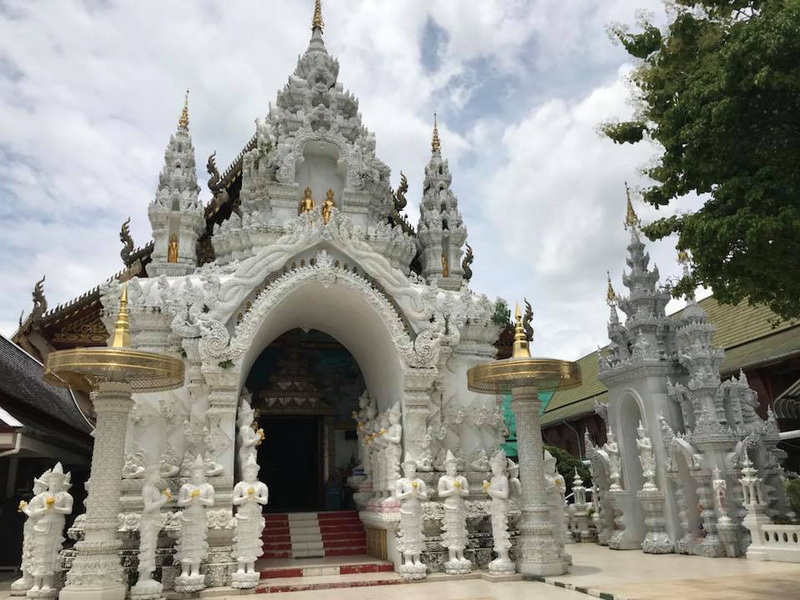
Wat San Pa Yang Luang adds a religious dimension to a cultural visit around Lamphun. As a temple associated with local Buddhist life, it encourages attention to the relationship between architecture, worship, and community continuity. Visitors can look quietly at the temple’s design and atmosphere while remembering that an active religious site is first a place for practitioners, not simply a sightseeing backdrop.

The temple complements the Queen Cham Dhavi Monument by shifting the focus from a commemorated ruler to living religious tradition. Together, these locations help explain why Lamphun is valuable to heritage travelers: its story is carried through statues, sacred spaces, acts of devotion, and the ongoing life of the community. A respectful visit should prioritize calm observation and appropriate conduct.

A Last Look at the Journey

The Queen Cham Dhavi Monument offers more than an introduction to a celebrated figure. It provides a way to understand Lamphun through memory, leadership, religious respect, and local continuity. Queen Camadevi’s traditional story gives the city a distinctive historical starting point, while nearby monuments and temples reveal how northern communities continue to honor influential people and places. For travelers considering a Chiang Mai Tour Package or planning a broader visit to Lamphun Thailand, this monument can add purpose to the journey. A quiet, attentive visit is enough to begin appreciating the depth of the region.

Monday, November 2, 2026

Wat Chalermprakiat Lampang and the Meaning of a Northern Temple Visit

Wat Chalermprakiat Lampang and the Meaning of a Northern Temple Visit

A thoughtful guide to mountain views, sacred spaces, and planning a culturally respectful journey from Chiang Mai

Travel photograph selected for Wat Chalermprakiat destination guide.

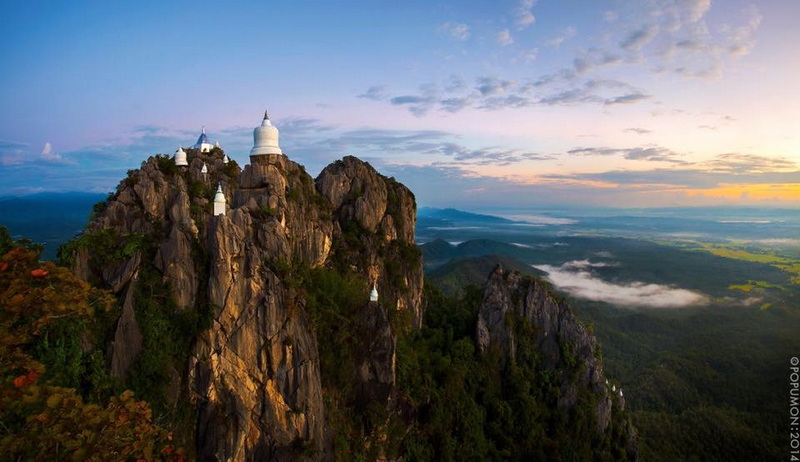
In the hills of Chae Hom District, Lampang, Wat Chaloemprakiat offers a temple visit shaped as much by landscape as by architecture. White pagodas and religious structures appear on rocky mountain summits, creating a distinctive setting that has made the site widely known beyond Lampang. The destination is often referred to in English as Wat Chaloemprakiat Lampang, while longer naming forms include Wat Chaloem Phra Kiat Phrachomklao Rachanusorn. For travelers studying Famous Temples In Northern Thailand, this place is especially useful to understand as a living religious site rather than simply a viewpoint. Its appeal combines Buddhist devotion, local care, elevated terrain, and the effort involved in reaching the upper areas. A visit therefore benefits from patience and practical preparation. Travelers searching for a Chiang Mai Tour Package may also encounter the temple in wider northern itineraries, although the journey requires attention to distance, transport, weather, and time spent on site. This focused guide looks at the temple’s cultural setting, the experience of approaching it, and ways to assess an itinerary without relying on exaggerated claims. It also considers two nearby experiences that can broaden a Lampang visit: the Elephant Conservation Center and Horse Carriage in Lampang.

A Temple Shaped by Mountain and Community

Wat Chaloemprakiat is located in Lampang Province’s Chae Hom District, a rural area where forested hills and limestone formations create a very different atmosphere from the urban center of Chiang Mai. The temple is associated with a royal commemoration and is known for religious structures placed on elevated limestone outcrops. From a distance, the white elements can appear to rest lightly above the surrounding green landscape, but the setting is the result of deliberate construction, maintenance, and access arrangements.

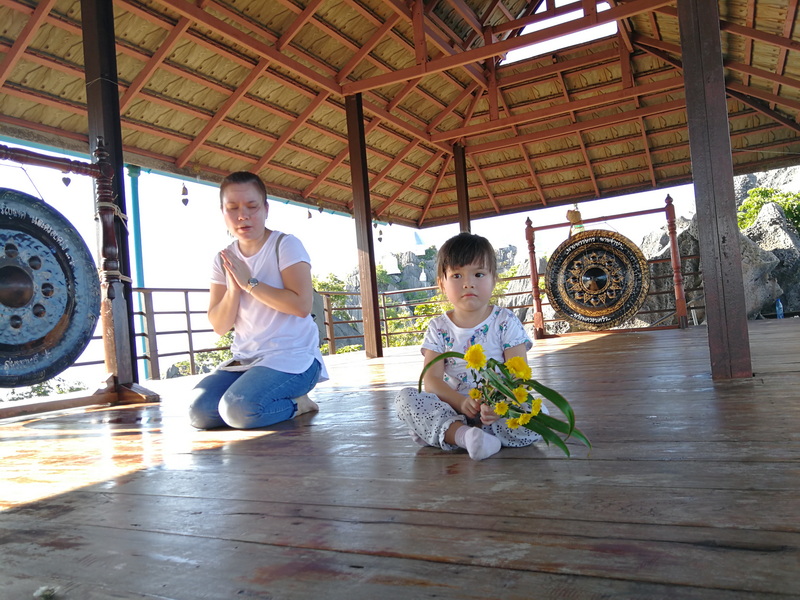
The site’s significance is not limited to its visual appearance. It remains a Buddhist place of worship, and visitors should remember that monks, local residents, and pilgrims may use the grounds for prayer and religious observance. Photography can be appropriate in many outdoor areas, but it should never interrupt worship or treat sacred objects as decorative props. Quiet behavior, modest clothing, and attention to posted guidance help preserve the dignity of the place.

The mountain setting also explains why the visit feels different from seeing a temple in a town center. The approach, changes in elevation, and open views encourage visitors to slow down. Rather than measuring the destination only by how many structures can be photographed, it is more meaningful to notice the relationship between the temple, the hills, and the people who sustain it.

What the Visit Involves

A visit to Wat Chaloemprakiat generally involves reaching a lower access area before continuing toward the elevated temple zone. Local transport arrangements may be used for part of the approach, and some walking or stair climbing is likely to be required. Conditions can vary with weather, maintenance, visitor levels, and individual mobility, so travelers should confirm current arrangements locally rather than assume that every part of the route will operate in the same way throughout the year.

The upper structures are the visual focus, but the journey between areas is part of the experience. Steps, uneven surfaces, heat, and changing weather can make the climb more demanding than photographs suggest. Comfortable footwear, drinking water, sun protection, and sufficient time are sensible preparations. Older visitors or anyone with limited mobility may wish to ask about the current route before committing to the ascent.

Travel photograph selected for Wat Chalermprakiat destination guide, Wat Chalermprakiat main article view 2 2

At the summit areas, the architecture is best appreciated at a respectful pace. Small pagodas, religious images, and other features should be observed according to local rules. The panoramic views are memorable because the structures occupy a high natural setting, yet visitors should avoid climbing onto restricted rocks or unstable edges for photographs. A careful visitor leaves the site as it was found and allows others room to experience it quietly.

How to Assess a Chiang Mai Tour Package

Travelers searching for a Chiang Mai Tour Package may find Wat Chaloemprakiat included in broader northern Thailand programs, but inclusion should never be assumed from a general itinerary label. The temple is in Lampang Province, not central Chiang Mai, so the practical question is how the route connects the two destinations and how much time is reserved for the temple itself. A suitable plan should make the travel distance clear and avoid presenting the visit as a quick stop when the approach and mountain access require more time.

When comparing packages, look for a transparent outline of transport, free time, entrance or local access arrangements, and any walking involved. It is also useful to ask whether the itinerary allows visitors to enter respectfully without rushing through worship areas. A schedule that combines several distant attractions may appear efficient, but it can reduce the temple visit to a brief photograph. Travelers who value cultural understanding may prefer fewer stops and a calmer pace.

Independent visitors can apply the same questions when arranging transport between Chiang Mai and Lampang. Check the route, seasonal conditions, and return options before departure, particularly if the temple is one part of a larger day. The phrase Chiang Mai Tour Package is a useful starting point for research, but it does not replace checking the actual route, inclusions, physical demands, and responsibilities of the operator or traveler.

Because travel services can change, current information should be confirmed with an official tourism source, accommodation provider, or established local operator. Avoid relying solely on old social media posts for opening conditions or access details. Flexible planning is valuable in mountainous areas, where rain and road conditions can affect timing.

Travel photograph selected for Wat Chalermprakiat destination guide, Wat Chalermprakiat main article view 3 2

Cultural Etiquette for a Living Religious Site

Temple etiquette begins with clothing that covers shoulders and knees where required, especially when entering worship areas. Shoes may need to be removed in designated buildings, and hats or sunglasses can be set aside when appropriate. Visitors should keep voices low, avoid blocking paths, and follow signs or instructions from temple staff. These actions are simple, but they show that the destination is not merely a scenic attraction.

Images of Buddha should be treated with respect. Do not pose in ways that mock religious imagery, sit higher than sacred images, or touch objects unless invited. When photographing monks or worshippers, ask permission where possible and accept a refusal without argument. Children can enjoy the landscape and architecture while learning that quiet observation is part of visiting a temple.

A modest contribution to a donation box may support temple upkeep, but giving should be voluntary and should follow local arrangements. Visitors should also dispose of waste responsibly and avoid damaging plants, rocks, railings, or structures. Respect extends beyond the central shrine to the surrounding communities whose work makes access and maintenance possible.

Making the Temple Part of a Wider Lampang Day

Wat Chaloemprakiat Lampang works best in an itinerary that recognizes its location and physical setting. The temple can anchor a day focused on the relationship between religion, mountain landscapes, and local travel, but it should not be treated as an interchangeable stop among many. Allowing time for arrival, the ascent, observation, and the return journey creates a more realistic rhythm.

Travel photograph selected for Lampang destination guide.

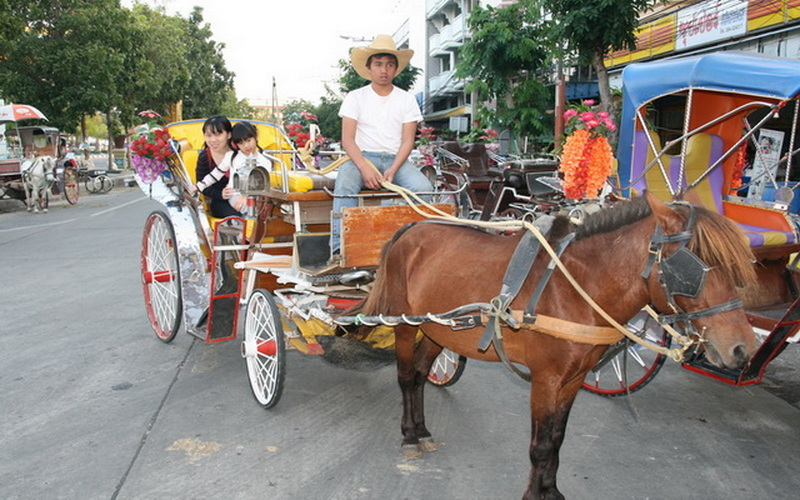
A balanced plan can add a cultural or conservation-oriented experience elsewhere in the province, provided the connections are practical. The Elephant Conservation Center offers a different perspective on Thailand’s relationship with elephants, while Horse Carriage in Lampang reflects a long-associated form of local urban transport and sightseeing. These experiences should be approached with the same care applied to the temple: ask how animals and communities are treated, listen to local guidance, and avoid expecting staged or intrusive encounters.

The result is a journey with more variety but not necessarily more speed. Visitors can begin with the temple’s elevated religious landscape, continue to an attraction connected with conservation, and consider a slower look at Lampang’s local character. The precise order depends on current access and transport conditions, so a flexible schedule is more reliable than a tightly packed promise of seeing everything.

Nearby Attractions

Elephant Conservation Center

Travel photograph selected for Elephant Conservation Center destination guide.

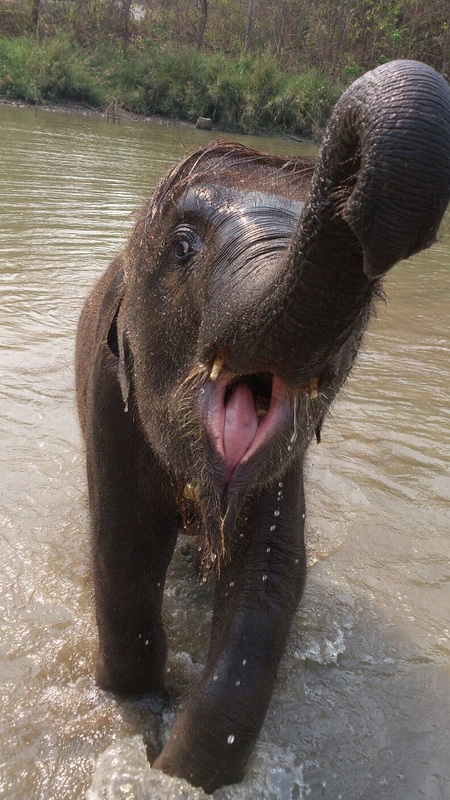
The Elephant Conservation Center provides a context for learning about elephant care, conservation work, and the long relationship between elephants and people in Thailand. Its focus is different from that of Wat Chaloemprakiat, making it a useful companion for travelers interested in how cultural, environmental, and working traditions overlap. Visitors should review current programs and welfare policies before going, since activities and operating arrangements can change.

A responsible visit means observing animals without encouraging stressful behavior, respecting barriers and staff instructions, and choosing experiences that prioritize welfare over spectacle. Including the center in a Lampang itinerary can add substance to a temple-focused day, especially for travelers who want to understand the region through more than architecture.

Horse Carriage in Lampang

Travel photograph selected for Horse Carriage in Lampang destination guide.

Horse Carriage in Lampang is associated with the city’s distinctive transport tradition and offers a slower way to notice streets, buildings, and everyday urban surroundings. It provides a contrast with the elevated landscape of Wat Chaloemprakiat and can help visitors experience Lampang at a gentler pace rather than viewing it only as a transit point.

Before booking or boarding, travelers should confirm the route, duration, current conditions, and animal-welfare practices. Keep voices calm, follow the driver’s guidance, and avoid treating the horse or carriage as a prop for intrusive photographs. When approached thoughtfully, the experience can complement a temple visit by connecting a well-known local tradition with the contemporary life of the city.

A Last Look at the Journey

Wat Chaloemprakiat brings together religious practice, mountain terrain, and the care of a local community. Its white pagodas and wide views may draw travelers first, but preparation and respectful conduct determine the quality of the visit. Whether reached independently or considered within a Chiang Mai Tour Package, the temple deserves enough time for a calm approach and quiet observation. Pairing it with the Elephant Conservation Center or Horse Carriage in Lampang can broaden the journey without losing its cultural focus. For anyone researching Wat Chalermprakiat and the Famous Temples In Northern Thailand, the most rewarding plan is one that values understanding as much as scenery.

Sunday, November 1, 2026

Singha Park Travel Guide for a Flexible Chiang Rai Itinerary

Singha Park Travel Guide for a Flexible Chiang Rai Itinerary

Plan a balanced day around countryside scenery, cultural landmarks, and flexible travel choices in Chiang Rai

Travel photograph selected for Singha Park destination guide.

Singha Park is a useful starting point for travelers who want to experience Chiang Rai beyond a sequence of temple visits. In Mueang Chiang Rai District, the park presents a broad countryside setting associated with agricultural landscapes, open viewpoints, tea-growing areas, gardens, and outdoor activities. The experience is less about moving quickly between individual monuments and more about allowing time for scenery, walking, photography, and a change of pace from the city. For a solo traveler, the main planning question is not simply whether to Visit Singha Park, but how to fit it into a day that matches personal interests and energy. A flexible route can combine the park with one or two cultural sites, while a nature-minded itinerary may leave more time for the landscape itself. This approach also makes it easier to respond to weather, seasonal planting, transport conditions, and the amount of walking involved. This guide considers Singha Park Chiang Rai within the wider context of custom travel planning. It explains what a visitor may expect, how a Custom Chiang Rai Tour Package can be shaped without overloading the day, and why nearby cultural attractions deserve separate attention rather than being treated as quick photo stops.

Reading the Landscape at Singha Park

Singha Park is an expansive agricultural and recreational destination rather than a compact attraction that can be understood in half an hour. Visitors may encounter open lawns, cultivated fields, flowering areas, tea landscapes, and views across the surrounding hills. The appearance of the grounds can change with the season, so the visual experience is influenced by planting cycles, rainfall, and maintenance. It is sensible to approach the park as a landscape to explore gradually instead of expecting every feature to look identical throughout the year. Travelers researching Singha Park Travel Guide can use these details when planning the trip.

The park’s scale affects how a visit feels. Some travelers may prefer a slow circuit through accessible areas, pausing for photographs and taking in the rural setting. Others may be interested in outdoor activities or particular agricultural features. Available activities and access arrangements can change, so current information should be checked before relying on a specific experience. Comfortable shoes, sun protection, water, and light rain protection are practical additions, especially for anyone intending to spend several hours outdoors.

For a trekker or independent walker, the important distinction is between a scenic outing and a wilderness hike. Singha Park offers cultivated and managed landscapes, not a remote mountain trail system. Paths, roads, and activity areas may involve different surfaces and levels of shade. A visitor who has a knee condition, limited mobility, or a low tolerance for heat should allow flexibility and avoid assuming that the whole property can be covered on foot. Observing the land carefully can be more rewarding than trying to complete every possible stop.

Designing a Custom Day Without Rushing

A custom itinerary in Chiang Rai works best when it is built around priorities rather than a long checklist. Before arranging transport, decide whether the day is mainly for landscapes, architecture, museums, food, photography, or a mixture of these. Singha Park can serve as the spacious outdoor part of the plan, with cultural attractions placed before or after it according to travel distance, opening conditions, and the preferred pace. Leaving unplanned time is useful because countryside visits rarely feel identical from one season or weather pattern to another.

A Custom Chiang Rai Tour Package may be suitable for travelers who want to adjust the length of stops, choose a slower morning, or combine the park with selected Chiang Rai Thailand Attractions. Customization does not necessarily mean adding more locations. It can mean removing unnecessary transfers, allowing time for a meal, selecting a route with fewer stairs, or reserving an afternoon for rest. When discussing an itinerary with a provider or driver, clarify the intended start and finish points, the amount of walking, vehicle access, waiting arrangements, and what happens if rain changes outdoor plans.

Travel photograph selected for Singha Park destination guide, Singha Park main article view 2 2

Solo travelers should also consider communication and independence. Keep the day’s route, accommodation details, and an emergency contact accessible, and carry sufficient drinking water and basic medication. Rural areas may have fewer convenient services than central Chiang Rai, so it is helpful not to depend entirely on finding a shop at the exact moment it is needed. A phone with offline map information can support orientation, although it should not replace confirming local directions or transport arrangements.

A practical sequence might begin with a cultural site while energy is high, continue to Singha Park for open-air scenery and a slower middle portion of the day, and finish near the city. Another traveler may prefer the opposite order to reach the park when the light is more suitable for photography. Neither pattern is universally correct. The useful principle is to group places logically and protect enough time for the experience that matters most.

Preparing for Weather, Walking, and Seasonal Change

Northern Thailand’s conditions can make a straightforward sightseeing day feel more demanding. Heat, strong sunlight, humidity, and sudden rain all influence comfort in open agricultural areas. A small day bag with water, a hat, sunscreen, insect protection, and a light waterproof layer is practical. Breathable clothing is useful, while footwear with a secure sole is preferable to sandals if the route includes damp ground or uneven paths. Visitors should also be prepared for the possibility that a planned outdoor activity may be less suitable after rain.

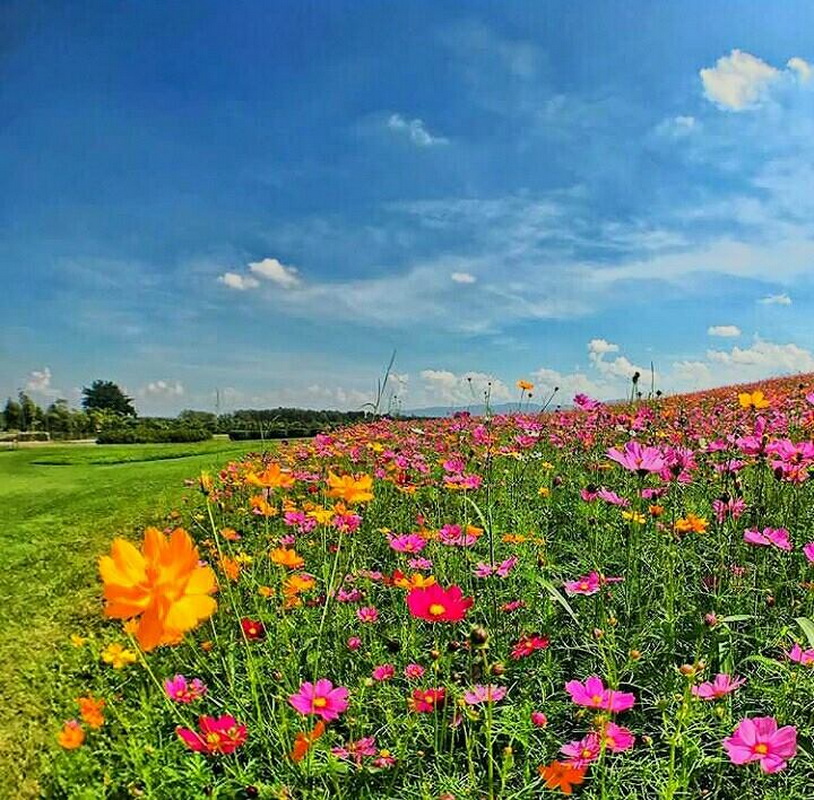
Seasonal change is part of the park’s character. Tea fields, flowers, grass, and cultivated areas do not remain visually constant, and the best conditions for one landscape may not coincide with the best conditions for another. Travelers who have a particular photographic goal should treat it as a possibility rather than a guarantee. Checking recent local information before departure can prevent disappointment and can help determine whether more time should be allocated to indoor or cultural stops.

Responsible behavior is straightforward but important. Stay on permitted paths, avoid entering planted areas, do not pick flowers or crops, and follow instructions around activity zones. Agriculture is part of the destination’s working identity, not merely a backdrop. Keeping noise moderate and disposing of waste properly helps maintain the setting for residents, workers, and later visitors. These choices also make the visit more observant: instead of viewing the park only as a recreational space, travelers can notice how cultivated land and tourism operate together.

Travel photograph selected for Singha Park destination guide, Singha Park main article view 3 2

Building a Wider Chiang Rai Experience

Chiang Rai is often most rewarding when different kinds of places are connected thoughtfully. Singha Park provides an outdoor and agricultural perspective, while temples, museums, and historic urban areas offer other ways to understand the province. A Chiang Rai Travel Guide should therefore distinguish between a park visit and a cultural visit rather than describing every stop with the same language. The contrast between open countryside and carefully designed religious or artistic spaces can give a day greater balance.

Travel photograph selected for Chiang Rai Tour Packages destination guide.

A flexible itinerary should account for the character of each stop. A temple may require modest clothing and calm behavior, while a park visit calls for sun protection and walking shoes. Museums may involve concentrated attention and indoor time, whereas agricultural landscapes invite observation over a longer period. Planning these changes in advance reduces practical friction and shows respect for the different purposes of each site. It also helps a solo traveler decide when to take photographs and when to put the camera away.

Travelers comparing Chiang Rai Tour options should ask whether the proposed route leaves meaningful time at each location. A list containing many names can look efficient but may create a day of hurried arrivals and departures. A more useful question is whether the itinerary reflects the traveler’s physical ability, interests, and tolerance for transfers. For someone drawn to nature, Singha Park and a carefully chosen cultural landmark may be enough. For a visitor focused on art and heritage, the park can provide a restorative interlude rather than the central activity.

Choosing the Right Nearby Cultural Stops

Two well-known sites can be considered alongside Singha Park, but they serve different purposes. Wat Rong Khun is a contemporary Buddhist temple complex recognized for its white architectural surfaces and detailed symbolic decoration. It is an active religious and cultural setting as well as a visual landmark. Visitors should dress respectfully, follow any photography guidance, and remember that the site is not simply a themed attraction. Allowing time to look at the details and understand the atmosphere is more appropriate than treating the visit as a rapid photo opportunity.

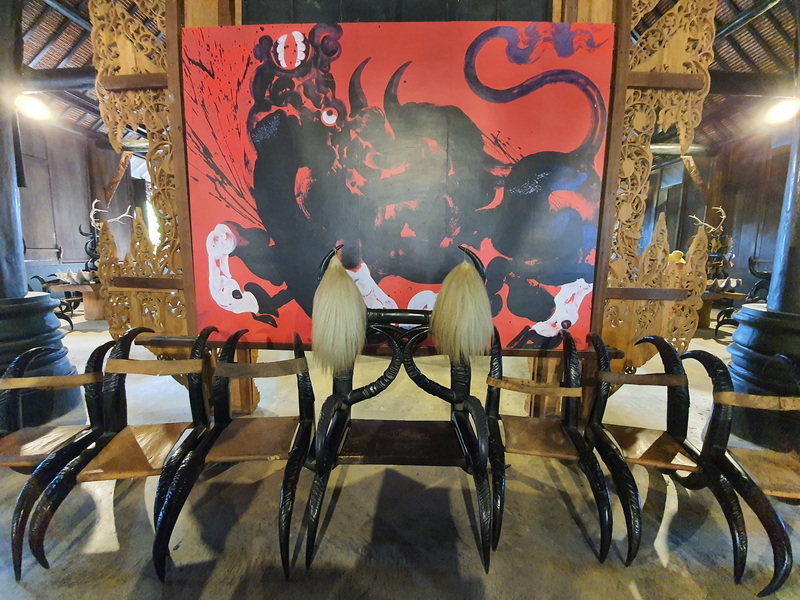
Black House Museum, also known as Baan Dam in many travel references, presents a very different artistic environment. The complex is associated with the late Thai artist Thawan Duchanee and includes dark-toned buildings, artworks, and objects arranged across a landscaped setting. Its visual language can be intense and unconventional, and individual visitors may respond to it differently. Reading the displays carefully and approaching the work without reducing it to a curiosity allows a more respectful encounter with its artistic and cultural context.

Including either site with Singha Park requires attention to travel time and personal focus. Wat Rong Khun may appeal to travelers interested in religious architecture and contemporary interpretation, while Black House Museum may suit those drawn to art, design, and a more contemplative museum visit. Both can be included in a broader Chiang Rai itinerary, but neither needs to be rushed simply to increase the number of stops. A well-paced route gives each place enough room to remain distinct.

Nearby Attractions

Black House Museum

Travel photograph selected for Black House Museum destination guide.

Black House Museum offers an art-focused counterpoint to the open agricultural setting of Singha Park. Its collection and buildings are connected with Thawan Duchanee’s distinctive artistic practice, using dark architectural forms, natural materials, and symbolic objects to create a complex visual atmosphere. The visit may feel more reflective than conventional sightseeing, so travelers should allow time to look closely rather than expecting a single viewpoint to explain the entire site.

As with any museum or cultural compound, current access arrangements and visitor guidance should be confirmed before setting the day’s schedule. Respectful behavior, careful photography, and attention to posted instructions are appropriate. Its inclusion in a custom route is particularly useful for travelers who want to balance outdoor scenery with art and cultural interpretation.

Wat Rong Khun

Travel photograph selected for Wat Rong Khun destination guide.

Wat Rong Khun is a contemporary Buddhist temple complex distinguished by white architecture, reflective details, and elaborate ornament. Its imagery contains religious and moral symbolism, while the design also reflects modern artistic interpretation. Visitors can appreciate the craftsmanship while remembering that the complex remains a place of religious significance. Modest clothing, quiet conduct, and compliance with local instructions help preserve a respectful atmosphere.

The site pairs naturally with Singha Park for travelers seeking both cultural architecture and a rural landscape, but the two experiences should not be collapsed into one. A temple visit benefits from attentive observation of its forms and symbols; the park invites a slower engagement with fields, gardens, and open views. Checking current conditions before travel helps determine how much time can be allocated to each without making the day unnecessarily hurried.

A Last Look at the Journey

Singha Park can anchor a flexible Chiang Rai day when travelers treat it as a landscape experience rather than a brief checklist stop. Combine its agricultural scenery with one or two carefully selected cultural sites, prepare for heat and changing weather, and leave enough time for walking at a comfortable pace. A thoughtful Custom Chiang Rai Tour Package should adapt to interests and practical needs, not simply add more destinations. With that planning approach, Singha Park becomes a useful part of understanding Chiang Rai through its countryside, creative traditions, and living places of worship.