Wat Chalermprakiat Lampang and the Meaning of a Northern Temple Visit
A thoughtful guide to mountain views, sacred spaces, and planning a culturally respectful journey from Chiang Mai
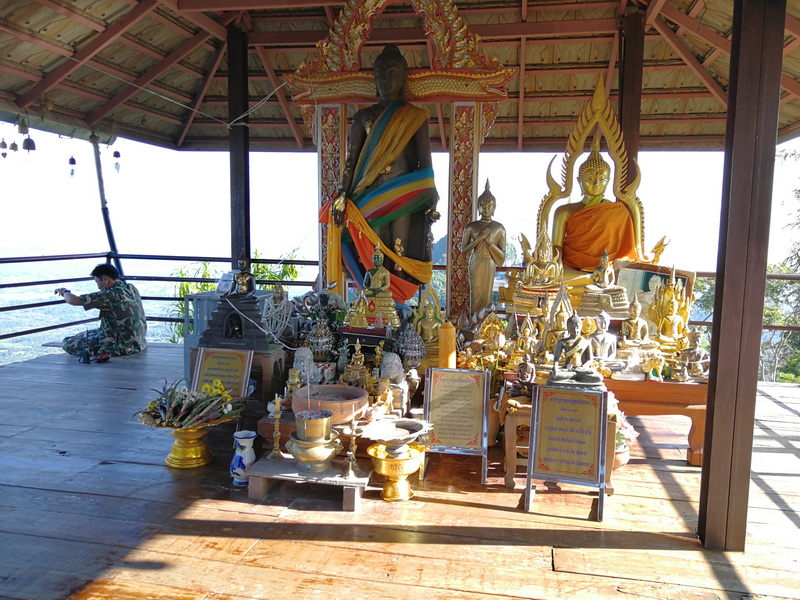
In the hills of Chae Hom District, Lampang, Wat Chaloemprakiat offers a temple visit shaped as much by landscape as by architecture. White pagodas and religious structures appear on rocky mountain summits, creating a distinctive setting that has made the site widely known beyond Lampang. The destination is often referred to in English as Wat Chaloemprakiat Lampang, while longer naming forms include Wat Chaloem Phra Kiat Phrachomklao Rachanusorn. For travelers studying Famous Temples In Northern Thailand, this place is especially useful to understand as a living religious site rather than simply a viewpoint. Its appeal combines Buddhist devotion, local care, elevated terrain, and the effort involved in reaching the upper areas. A visit therefore benefits from patience and practical preparation. Travelers searching for a Chiang Mai Tour Package may also encounter the temple in wider northern itineraries, although the journey requires attention to distance, transport, weather, and time spent on site. This focused guide looks at the temple’s cultural setting, the experience of approaching it, and ways to assess an itinerary without relying on exaggerated claims. It also considers two nearby experiences that can broaden a Lampang visit: the Elephant Conservation Center and Horse Carriage in Lampang.
A Temple Shaped by Mountain and Community
Wat Chaloemprakiat is located in Lampang Province’s Chae Hom District, a rural area where forested hills and limestone formations create a very different atmosphere from the urban center of Chiang Mai. The temple is associated with a royal commemoration and is known for religious structures placed on elevated limestone outcrops. From a distance, the white elements can appear to rest lightly above the surrounding green landscape, but the setting is the result of deliberate construction, maintenance, and access arrangements.
The site’s significance is not limited to its visual appearance. It remains a Buddhist place of worship, and visitors should remember that monks, local residents, and pilgrims may use the grounds for prayer and religious observance. Photography can be appropriate in many outdoor areas, but it should never interrupt worship or treat sacred objects as decorative props. Quiet behavior, modest clothing, and attention to posted guidance help preserve the dignity of the place.
The mountain setting also explains why the visit feels different from seeing a temple in a town center. The approach, changes in elevation, and open views encourage visitors to slow down. Rather than measuring the destination only by how many structures can be photographed, it is more meaningful to notice the relationship between the temple, the hills, and the people who sustain it.
What the Visit Involves
A visit to Wat Chaloemprakiat generally involves reaching a lower access area before continuing toward the elevated temple zone. Local transport arrangements may be used for part of the approach, and some walking or stair climbing is likely to be required. Conditions can vary with weather, maintenance, visitor levels, and individual mobility, so travelers should confirm current arrangements locally rather than assume that every part of the route will operate in the same way throughout the year.
The upper structures are the visual focus, but the journey between areas is part of the experience. Steps, uneven surfaces, heat, and changing weather can make the climb more demanding than photographs suggest. Comfortable footwear, drinking water, sun protection, and sufficient time are sensible preparations. Older visitors or anyone with limited mobility may wish to ask about the current route before committing to the ascent.
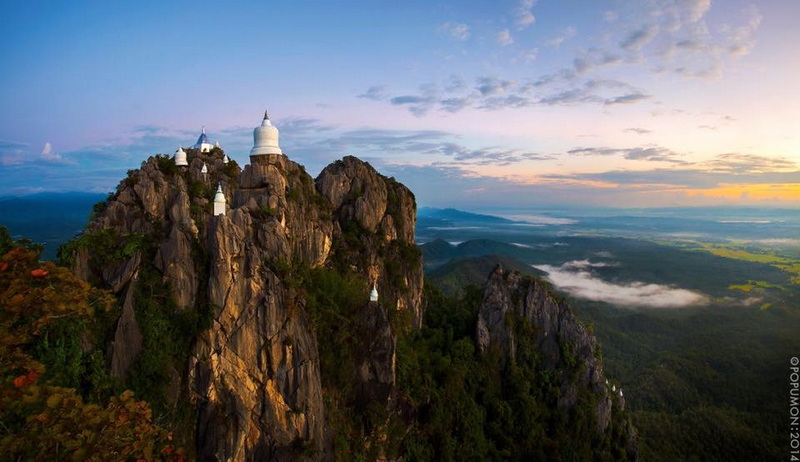
At the summit areas, the architecture is best appreciated at a respectful pace. Small pagodas, religious images, and other features should be observed according to local rules. The panoramic views are memorable because the structures occupy a high natural setting, yet visitors should avoid climbing onto restricted rocks or unstable edges for photographs. A careful visitor leaves the site as it was found and allows others room to experience it quietly.
How to Assess a Chiang Mai Tour Package
Travelers searching for a Chiang Mai Tour Package may find Wat Chaloemprakiat included in broader northern Thailand programs, but inclusion should never be assumed from a general itinerary label. The temple is in Lampang Province, not central Chiang Mai, so the practical question is how the route connects the two destinations and how much time is reserved for the temple itself. A suitable plan should make the travel distance clear and avoid presenting the visit as a quick stop when the approach and mountain access require more time.
When comparing packages, look for a transparent outline of transport, free time, entrance or local access arrangements, and any walking involved. It is also useful to ask whether the itinerary allows visitors to enter respectfully without rushing through worship areas. A schedule that combines several distant attractions may appear efficient, but it can reduce the temple visit to a brief photograph. Travelers who value cultural understanding may prefer fewer stops and a calmer pace.
Independent visitors can apply the same questions when arranging transport between Chiang Mai and Lampang. Check the route, seasonal conditions, and return options before departure, particularly if the temple is one part of a larger day. The phrase Chiang Mai Tour Package is a useful starting point for research, but it does not replace checking the actual route, inclusions, physical demands, and responsibilities of the operator or traveler.
Because travel services can change, current information should be confirmed with an official tourism source, accommodation provider, or established local operator. Avoid relying solely on old social media posts for opening conditions or access details. Flexible planning is valuable in mountainous areas, where rain and road conditions can affect timing.
Cultural Etiquette for a Living Religious Site
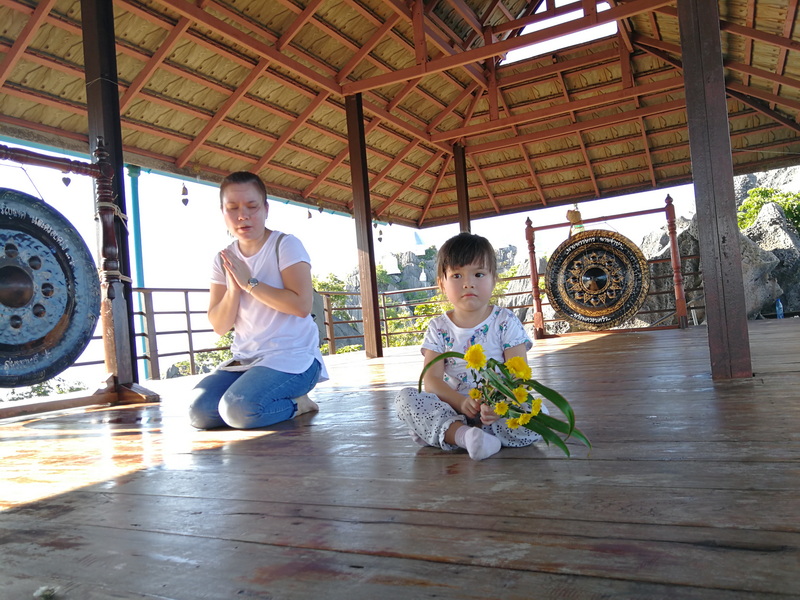
Temple etiquette begins with clothing that covers shoulders and knees where required, especially when entering worship areas. Shoes may need to be removed in designated buildings, and hats or sunglasses can be set aside when appropriate. Visitors should keep voices low, avoid blocking paths, and follow signs or instructions from temple staff. These actions are simple, but they show that the destination is not merely a scenic attraction.
Images of Buddha should be treated with respect. Do not pose in ways that mock religious imagery, sit higher than sacred images, or touch objects unless invited. When photographing monks or worshippers, ask permission where possible and accept a refusal without argument. Children can enjoy the landscape and architecture while learning that quiet observation is part of visiting a temple.
A modest contribution to a donation box may support temple upkeep, but giving should be voluntary and should follow local arrangements. Visitors should also dispose of waste responsibly and avoid damaging plants, rocks, railings, or structures. Respect extends beyond the central shrine to the surrounding communities whose work makes access and maintenance possible.
Making the Temple Part of a Wider Lampang Day
Wat Chaloemprakiat Lampang works best in an itinerary that recognizes its location and physical setting. The temple can anchor a day focused on the relationship between religion, mountain landscapes, and local travel, but it should not be treated as an interchangeable stop among many. Allowing time for arrival, the ascent, observation, and the return journey creates a more realistic rhythm.
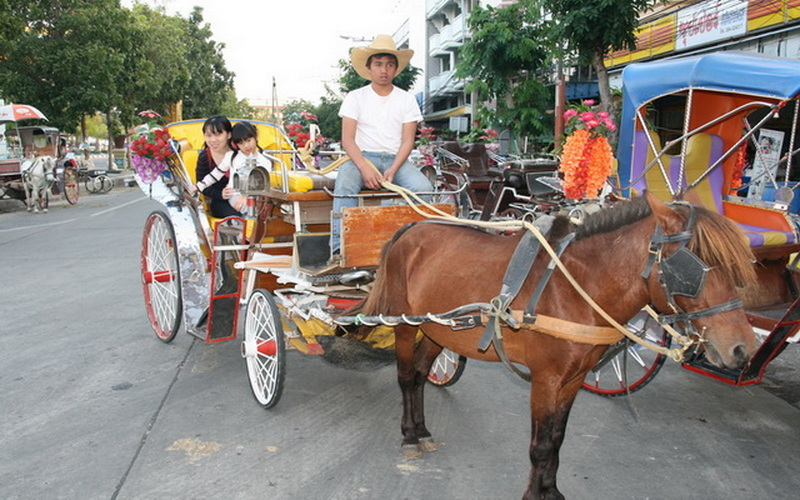
A balanced plan can add a cultural or conservation-oriented experience elsewhere in the province, provided the connections are practical. The Elephant Conservation Center offers a different perspective on Thailand’s relationship with elephants, while Horse Carriage in Lampang reflects a long-associated form of local urban transport and sightseeing. These experiences should be approached with the same care applied to the temple: ask how animals and communities are treated, listen to local guidance, and avoid expecting staged or intrusive encounters.
The result is a journey with more variety but not necessarily more speed. Visitors can begin with the temple’s elevated religious landscape, continue to an attraction connected with conservation, and consider a slower look at Lampang’s local character. The precise order depends on current access and transport conditions, so a flexible schedule is more reliable than a tightly packed promise of seeing everything.
Nearby Attractions
Elephant Conservation Center
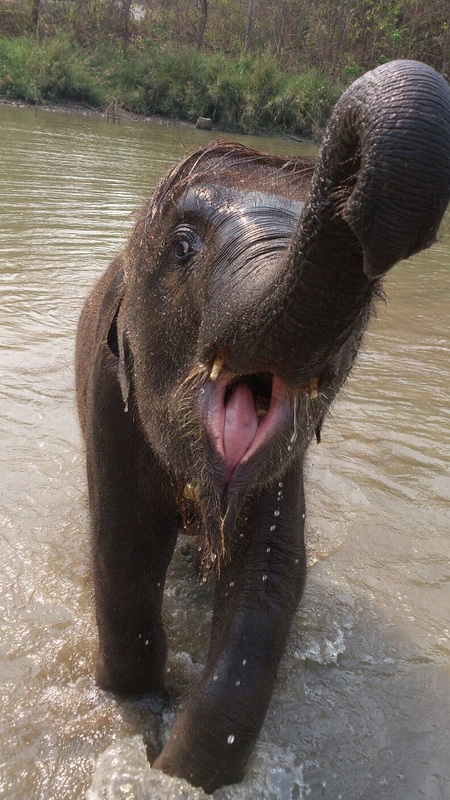
The Elephant Conservation Center provides a context for learning about elephant care, conservation work, and the long relationship between elephants and people in Thailand. Its focus is different from that of Wat Chaloemprakiat, making it a useful companion for travelers interested in how cultural, environmental, and working traditions overlap. Visitors should review current programs and welfare policies before going, since activities and operating arrangements can change.
A responsible visit means observing animals without encouraging stressful behavior, respecting barriers and staff instructions, and choosing experiences that prioritize welfare over spectacle. Including the center in a Lampang itinerary can add substance to a temple-focused day, especially for travelers who want to understand the region through more than architecture.
Horse Carriage in Lampang
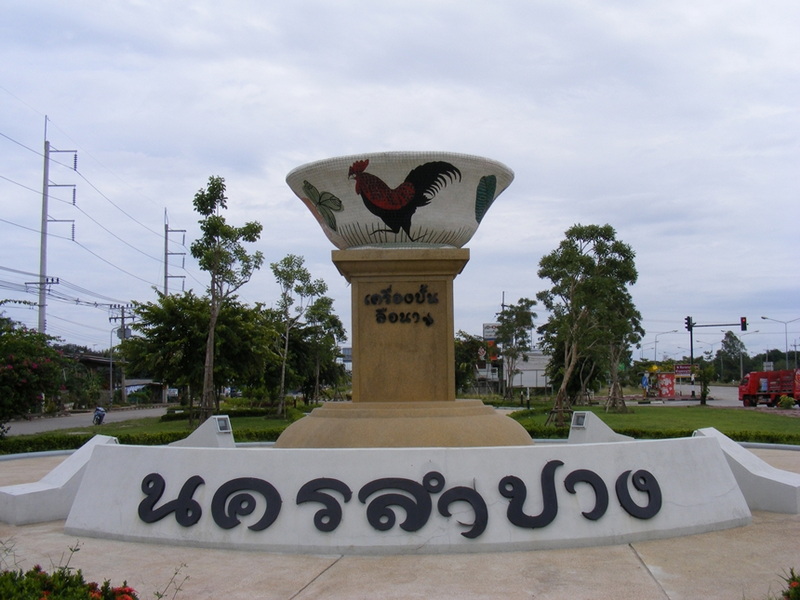
Horse Carriage in Lampang is associated with the city’s distinctive transport tradition and offers a slower way to notice streets, buildings, and everyday urban surroundings. It provides a contrast with the elevated landscape of Wat Chaloemprakiat and can help visitors experience Lampang at a gentler pace rather than viewing it only as a transit point.
Before booking or boarding, travelers should confirm the route, duration, current conditions, and animal-welfare practices. Keep voices calm, follow the driver’s guidance, and avoid treating the horse or carriage as a prop for intrusive photographs. When approached thoughtfully, the experience can complement a temple visit by connecting a well-known local tradition with the contemporary life of the city.
A Last Look at the Journey
Wat Chaloemprakiat brings together religious practice, mountain terrain, and the care of a local community. Its white pagodas and wide views may draw travelers first, but preparation and respectful conduct determine the quality of the visit. Whether reached independently or considered within a Chiang Mai Tour Package, the temple deserves enough time for a calm approach and quiet observation. Pairing it with the Elephant Conservation Center or Horse Carriage in Lampang can broaden the journey without losing its cultural focus. For anyone researching Wat Chalermprakiat and the Famous Temples In Northern Thailand, the most rewarding plan is one that values understanding as much as scenery.
