Queen Cham Dhavi Monument and the Cultural Heart of Lamphun
A respectful heritage visit connecting Queen Camadevi, Lamphun Thailand, and northern cultural travel
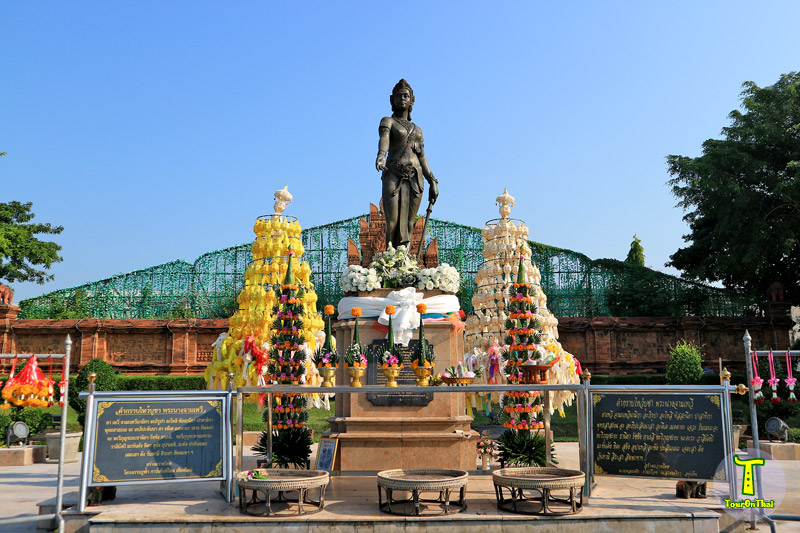
In Mueang Lamphun District, Lamphun, the Queen Cham Dhavi Monument provides a meaningful starting point for understanding one of northern Thailand’s oldest urban communities. The monument commemorates Queen Camadevi, a central figure in the traditional history of Hariphunchai, the ancient kingdom associated with present-day Lamphun. For visitors, the site is not simply a statue to photograph. It is a place where memory, local identity, and the wider story of the Ping River region come together. A visit here suits travelers who want cultural context rather than a hurried checklist of sights. The monument can be considered alongside temples, public spaces, and historic landmarks that show how Lamphun has preserved links to its past while remaining a living provincial city. Travelers comparing a Chiang Mai Tour Package with a more focused northern Thailand experience may find that Lamphun adds depth to a regional journey. Its quieter atmosphere encourages observation: the respectful gestures made before the statue, the flowers offered by visitors, and the continuing presence of Queen Camadevi in local heritage all give the visit its character.
Queen Camadevi and the Meaning of the Monument
Queen Camadevi is traditionally remembered as the founding queen of Hariphunchai, a Mon polity that flourished in the Lamphun area. Accounts of her life combine historical tradition, religious narratives, and local legend, so individual details should be approached with care. What remains clear in the cultural memory of Lamphun is her importance as a respected female ruler connected with the establishment and early development of the city. The monument gives that memory a visible and dignified form.
The statue is commonly known through several names, including Camadevi Monument, Phra Nang Chamthewi Statue, and Queen Camadevi Statue. These variations reflect differences in transliteration and local usage rather than separate historical figures. Visitors may see offerings and quiet acts of respect around the monument, illustrating that Queen Camadevi remains more than a subject in a history book. She represents leadership, civic beginnings, and the continuity of Lamphun’s cultural identity.
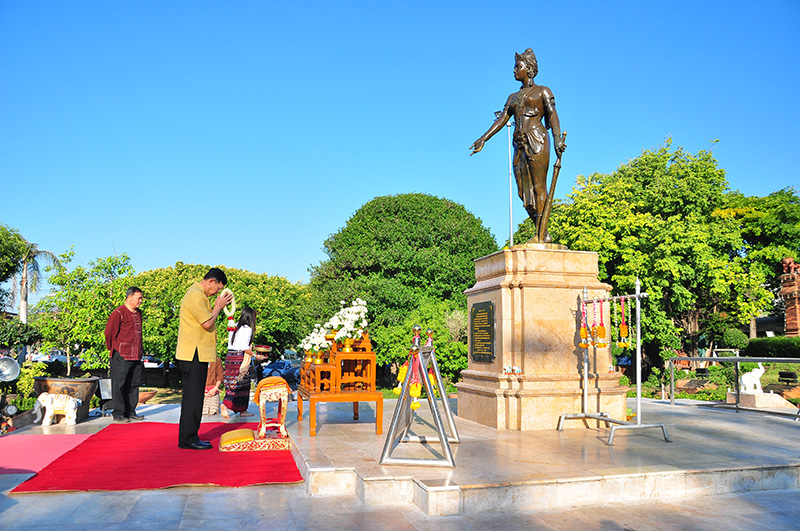
The Chamthewi Statue also invites reflection on how communities preserve the memory of important figures. Its significance lies not only in the artistic representation of a royal woman, but also in the relationship between the monument and the people who visit it. A thoughtful observer can notice how heritage is practiced through gestures, flowers, incense, and moments of stillness. These expressions should be viewed respectfully, without treating them as a performance created solely for tourists.
Lamphun Thailand as a Heritage Destination
Lamphun Thailand is often associated with its ancient history, Buddhist temples, and compact urban setting. The province sits close to Chiang Mai, yet its identity is distinct. The old Hariphunchai tradition gives the area a historical depth that predates many modern assumptions about northern travel. A visit to the monument therefore works best when considered as part of a wider cultural landscape rather than as an isolated stop.
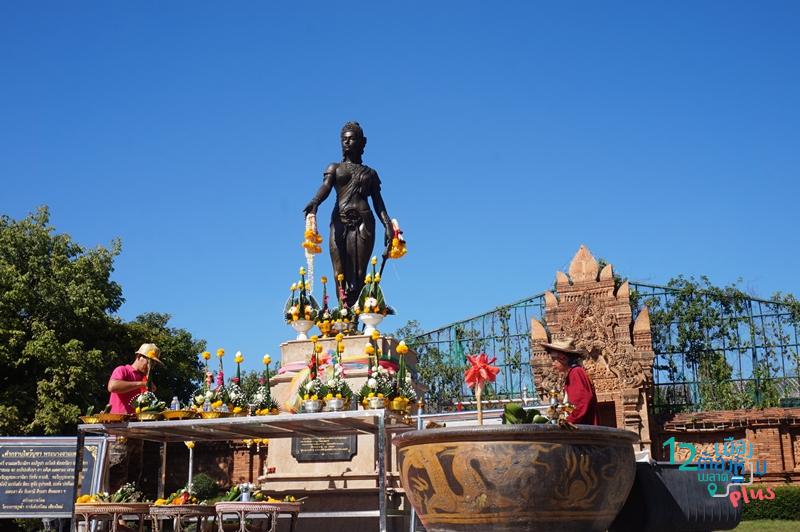
The city’s heritage can be understood through layers. Early Hariphunchai traditions form one layer; later Lanna influence forms another; and contemporary community life provides the present-day setting. Architecture, religious practice, local festivals, and stories about respected leaders all contribute to this layered identity. The monument helps visitors begin with a human figure before looking outward toward the city and the region that shaped her legacy.
For culture-focused travelers, Lamphun offers a slower complement to the busier attractions of Chiang Mai. This does not mean the province is frozen in the past. Markets, roads, homes, schools, and places of worship show an active community continuing its everyday life. The value of visiting is found in noticing how historical memory coexists with ordinary routines. That balance can make Lamphun more rewarding than a destination approached only through a list of famous landmarks.
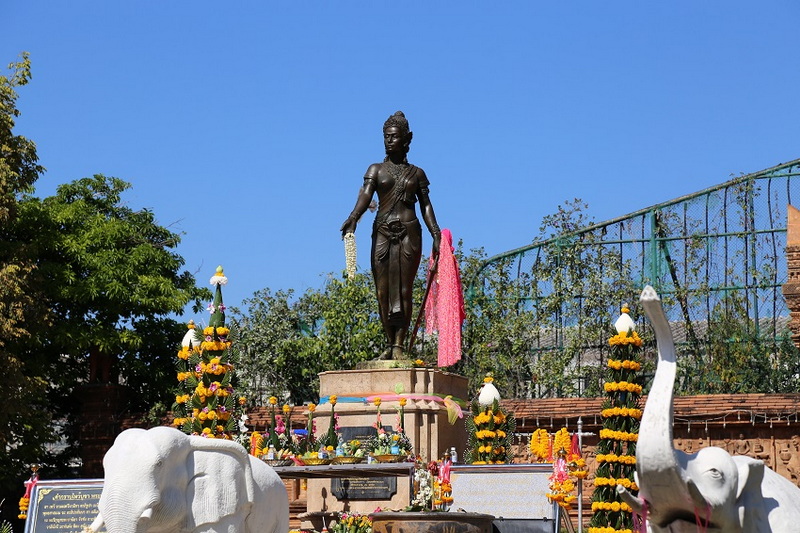
A Chiang Mai Tour Package may use Chiang Mai as a convenient regional base or gateway, but the phrase should not limit the journey’s cultural scope. Travelers can regard Lamphun as an important part of northern Thailand’s heritage story, especially when their interests include early kingdoms, Buddhist traditions, and local interpretations of history. Even without planning a detailed itinerary, setting aside time for the monument and its surrounding cultural context can make a broader trip feel more connected.
How to Observe the Site Thoughtfully
The most useful way to approach the Queen Cham Dhavi Monument is with patience. Begin by observing the setting and the way local visitors conduct themselves. If people are making offerings or praying, allow them space and avoid interrupting private moments. Clothing that is comfortable yet respectful is appropriate, particularly when the monument visit is combined with time at religious sites. The goal is not to imitate rituals without understanding, but to recognize that the place has meaning beyond its value as a travel photograph.
Visitors may also consider what the statue communicates through posture, clothing, and royal symbols. Such details present an idealized image of authority and dignity, while the surrounding acts of devotion connect that image to living community memory. The monument does not provide every answer about Queen Camadevi’s life, and it should not be treated as a complete historical record. Instead, it is one important interpretation within a larger network of oral traditions, written accounts, religious narratives, and local heritage.
Photography can be part of a visit, but attention should remain on the site itself. A brief pause to read any available local information, watch the rhythm of visitors, and consider the monument’s civic position can reveal more than taking repeated images. Cultural travel becomes stronger when observation is paired with humility. This approach is especially valuable in Lamphun, where historic places remain connected to worship, remembrance, and community identity.
Linking the Monument with Regional Memory
The monument gains further meaning when placed beside other local landmarks associated with religious and civic history. Nearby sites can show different forms of remembrance: one may honor a queen linked with the beginnings of a city, while another may commemorate a revered Buddhist teacher or express the continuing importance of temple life. This comparison helps visitors see that Lamphun’s heritage is not represented by one period or one kind of building.
The nearby attractions listed below are especially useful for extending the visit without turning it into a rushed tour. The Kruba Sri Wichai Monument introduces the memory of a modern religious figure whose influence is important across northern Thailand. Wat San Pa Yang Luang, meanwhile, offers a temple setting in which architecture, devotion, and local continuity can be considered together. Each place encourages a different perspective on the region’s cultural landscape.
Rather than asking which landmark is the most impressive, travelers can ask what each site preserves. The Queen Camadevi monument preserves the memory of a foundational ruler; a revered monk’s monument preserves spiritual influence; and a temple preserves religious practice expressed through place, art, and community use. This regional-flow perspective makes a short visit more educational and avoids reducing Lamphun to a single royal legend.
Placing Lamphun in a Northern Thailand Journey
Lamphun can fit naturally into travel planning that begins in Chiang Mai, but the experience should be shaped by cultural interest rather than by the label of a package. Someone researching Chiang Mai Tour Package options may use the term to describe a wider northern journey, while another traveler may visit independently as part of a personal exploration of Hariphunchai heritage. In either case, the Queen Cham Dhavi Monument provides a clear historical anchor.
A useful mental map is to move from person to place, and then from place to living tradition. Start with Queen Camadevi and the stories associated with her. Next, consider Lamphun Thailand as an old urban and religious center. Finally, look at nearby monuments and temples as evidence that remembrance continues in different forms. This sequence avoids an overloaded schedule and gives each location time to make sense.
Travelers should also allow room for the unexpected details of a provincial city: a quiet public space, a local offering, an architectural feature, or a conversation about the name Camadevi. These moments may not appear in a standard itinerary, but they can deepen appreciation. The monument’s value is therefore both historical and interpretive. It opens a path into Lamphun’s identity while leaving space for visitors to form their own informed impressions.
Nearby Attractions
Kruba Sri Wichai Monument
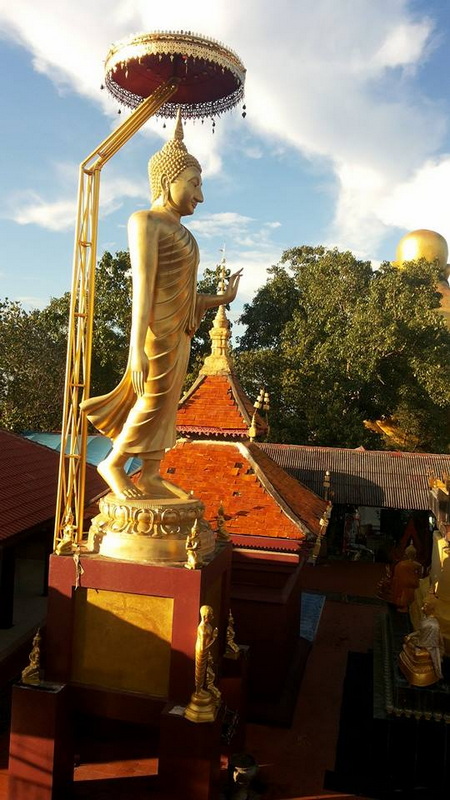
The Kruba Sri Wichai Monument honors Kruba Sri Wichai, a highly revered northern Thai Buddhist monk remembered for his religious leadership and influence on temple communities. His name is strongly connected with devotion, pilgrimage, and the preservation of Buddhist traditions in the north. Visiting this monument after Queen Camadevi’s statue creates an interesting contrast between royal memory and spiritual memory.
The site is best approached as a place of respect rather than as a decorative landmark. Observe how visitors pay homage, and allow the setting to guide the pace of the visit. Together, the two monuments show how Lamphun and the surrounding region remember figures who have shaped communal identity in different historical periods.
Wat San Pa Yang Luang
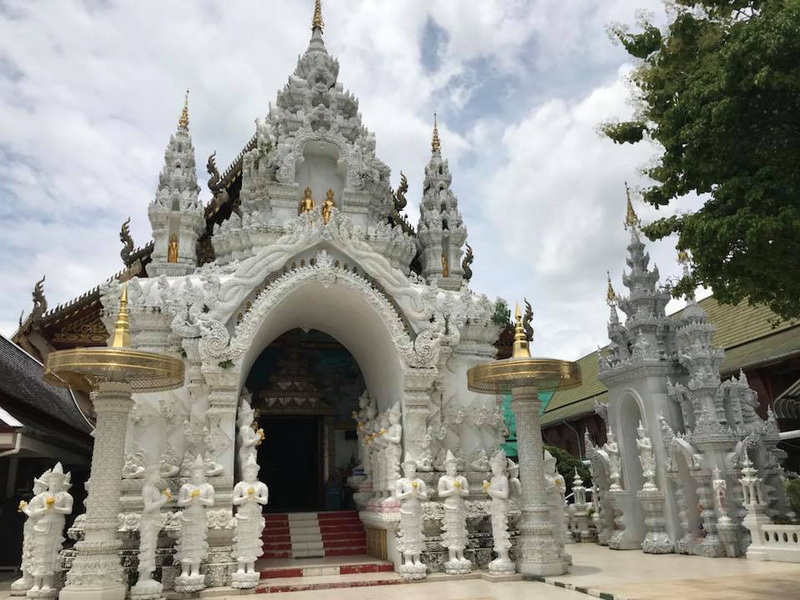
Wat San Pa Yang Luang adds a religious dimension to a cultural visit around Lamphun. As a temple associated with local Buddhist life, it encourages attention to the relationship between architecture, worship, and community continuity. Visitors can look quietly at the temple’s design and atmosphere while remembering that an active religious site is first a place for practitioners, not simply a sightseeing backdrop.
The temple complements the Queen Cham Dhavi Monument by shifting the focus from a commemorated ruler to living religious tradition. Together, these locations help explain why Lamphun is valuable to heritage travelers: its story is carried through statues, sacred spaces, acts of devotion, and the ongoing life of the community. A respectful visit should prioritize calm observation and appropriate conduct.
A Last Look at the Journey
The Queen Cham Dhavi Monument offers more than an introduction to a celebrated figure. It provides a way to understand Lamphun through memory, leadership, religious respect, and local continuity. Queen Camadevi’s traditional story gives the city a distinctive historical starting point, while nearby monuments and temples reveal how northern communities continue to honor influential people and places. For travelers considering a Chiang Mai Tour Package or planning a broader visit to Lamphun Thailand, this monument can add purpose to the journey. A quiet, attentive visit is enough to begin appreciating the depth of the region.
