Chiang Rai Khon Muan Street and Custom Routes Beyond the Usual Sights
A thoughtful guide to tailoring a market visit with quieter cultural and nature experiences around northern Thailand
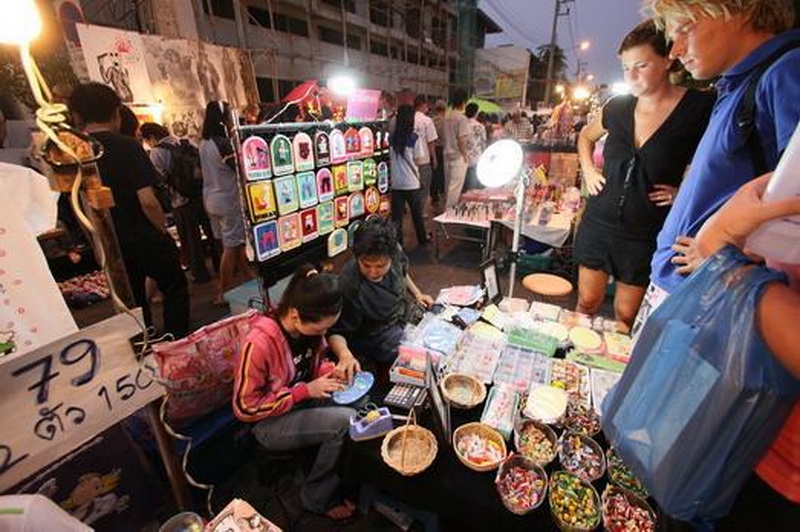
A visit to Chiang Rai Walking Street can be more than an evening spent browsing stalls. In Mueang Chiang Rai District, Chiang Rai, the street offers a setting where local food, handmade goods, music, and everyday social life meet in a walkable public space. The experience is best approached with curiosity rather than a checklist: the appeal lies in noticing how residents use the street, how vendors present regional products, and how the atmosphere changes from one part of the market to another. For travelers who do not want a fixed sightseeing sequence, Chiangrai Khon Muan Street can become one part of a personalized northern Thailand journey. A custom itinerary may leave room for the market, a nature stop, a cultural visit, or an unhurried meal, depending on interests and available time. This approach is especially useful for visitors traveling from Chiang Mai who want to combine Chiang Rai’s familiar landmarks with less commonly discussed places. The goal is not to collect as many stops as possible, but to create a balanced day that respects local communities and allows each place to be experienced at an appropriate pace.
Reading the Character of Chiang Rai Walking Street
Chiang Rai Walking Street is a local market environment rather than a single monument with one prescribed way to visit. Its cultural value comes from ordinary encounters: food being prepared, products being displayed, families and friends spending time together, and creative work finding a public audience. Travelers should treat these details as part of the destination’s living culture, not as a performance arranged solely for visitors. Asking before photographing people or their products is a simple way to show consideration.
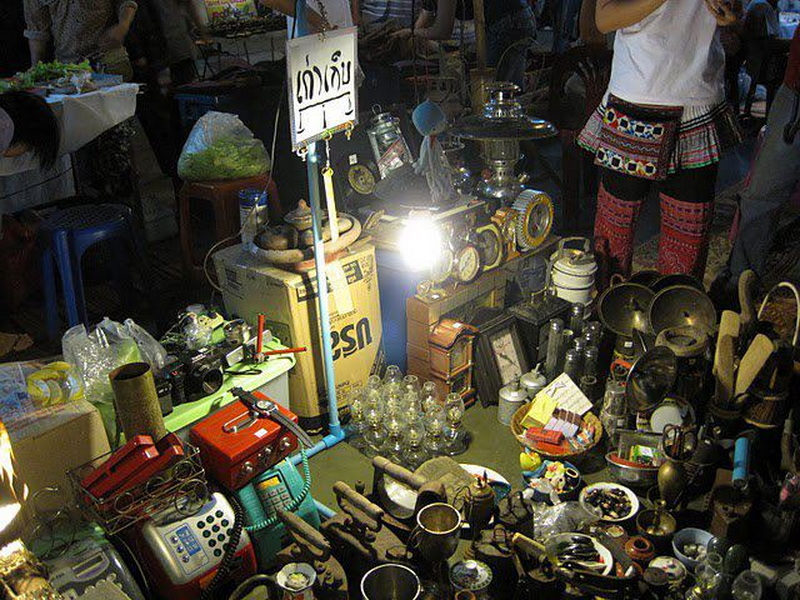
The name Chiangrai Khon Muan Street is often used alongside Chiang Rai Walking Street when discussing this attraction. For a first visit, it helps to think in terms of atmosphere and observation rather than a strict list of purchases. Regional snacks may introduce unfamiliar flavors, while craft stalls can offer insight into materials, patterns, and practical traditions. Even when nothing is bought, respectful browsing and leaving space for local shoppers help maintain the street’s community character.
A useful Chiang Rai Walking Street Travel Guide should therefore include cultural awareness as well as navigation. Visitors may wish to note which foods suit their preferences, carry reusable bags, and avoid assuming that every stall welcomes close inspection. The market is more rewarding when travelers slow down, make considerate choices, and accept that the most memorable details may be small ones rather than headline attractions.
Building a Custom Route Around Personal Interests
The strongest reason to choose a flexible route is that travelers rarely share the same idea of an ideal Chiang Rai experience. One person may be interested in regional food and craft traditions, another in landscape, and another in photography or local history. A Custom Chiang Rai Tour Package can reflect those differences by giving priority to selected themes instead of attempting to include every well-known stop. The important planning question is not how many places fit into a day, but which experiences belong together.
A market-centered route could begin with cultural context and finish with time for Chiang Rai Walking Street, allowing the street to serve as an informal point of reflection after visits elsewhere. A nature-focused route might pair the market with a park or riverside setting, while a slower plan could reserve more time for conversation, food tasting, and independent browsing. Travelers should discuss mobility needs, dietary concerns, photography preferences, and the desired pace before confirming arrangements with a tour provider or local guide.
Customization also means leaving realistic space between experiences. Northern Thai destinations can be more enjoyable when the schedule is not crowded with short stops. A traveler interested in crafts may gain more from one thoughtful market visit than from several rushed attractions. Likewise, visitors should ask whether a proposed activity supports local communities respectfully and whether the description reflects what can reasonably be experienced, rather than relying on exaggerated promises.
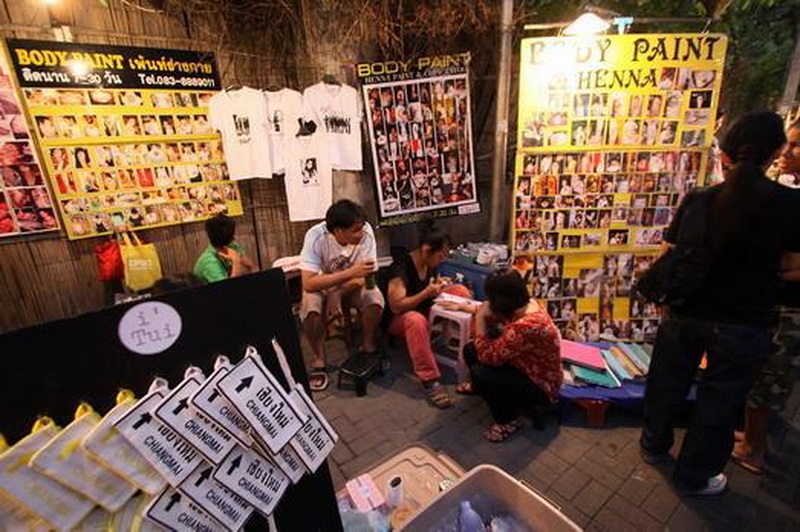
Connecting Chiang Mai with Less-Familiar Ideas
Travelers beginning in Chiang Mai often search for Unseen Attractions In Chiang Mai because they want to move beyond the city’s most repeated highlights. The phrase can describe a travel preference rather than a guarantee that a place is completely unknown. Lesser-visited community spaces, small cultural sites, gardens, craft areas, and quiet viewpoints may be meaningful when approached with proper context, but their value should not be measured only by how few tourists appear there.
A customized Chiang Mai to Chiang Rai journey can use this preference as a planning principle. Rather than treating Chiang Mai and Chiang Rai as unrelated destinations, a route can compare how communities express food, craft, religious practice, and public life in different settings. The contrast may be subtle, and that is part of the appeal. Travelers should avoid entering residential or religious spaces without guidance, and they should follow local rules concerning dress, silence, photography, and donations.
For visitors considering a Visit Chiang Rai Walking Street plan from Chiang Mai, the main practical decision is how much time to dedicate to the market itself. A rushed arrival followed by an immediate departure may technically include the attraction but leave little room to understand it. A better custom plan can protect time for observing stalls, choosing food carefully, and considering how the street relates to the wider city. This makes the market a cultural experience rather than merely a shopping stop.
Choosing a More Responsible Custom Experience
Personalized travel works best when the traveler’s preferences are balanced with the needs of the places being visited. A guide or tour planner can help identify suitable themes, but visitors should still ask clear questions about group size, walking demands, cultural etiquette, and what is included in broad descriptions. Exact schedules and availability may change, so flexible language is more reliable than assuming every proposed activity will operate in the same way throughout the year.
Responsible behavior is especially important in markets and community areas. Bargaining, where it is customary, should remain courteous rather than confrontational. Travelers can support vendors by purchasing only what they genuinely want, handling merchandise carefully, and avoiding intrusive photographs. Food choices should also be made with awareness of personal allergies and local conditions. These small decisions help ensure that a custom route benefits from local character without turning community life into a spectacle.
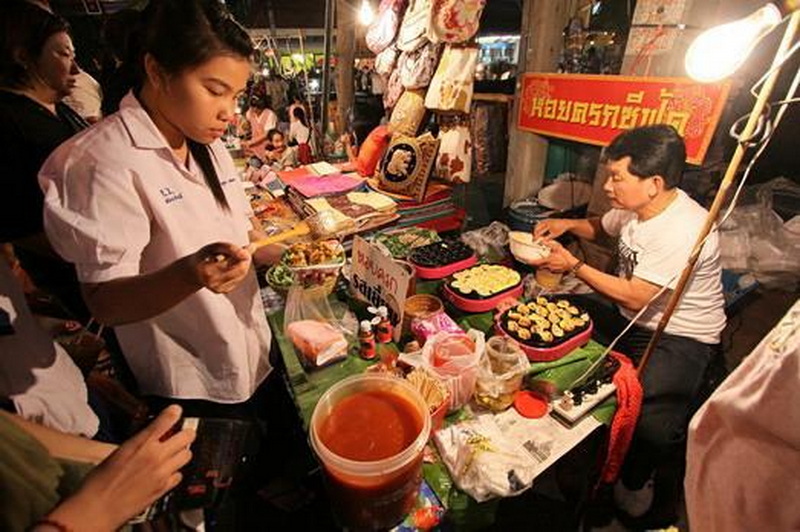
A personalized itinerary can also include quiet time. Sitting with a drink, noticing regional ingredients, or discussing a craft’s practical use may provide more understanding than moving rapidly between photo opportunities. This slower approach suits travelers who value discovery, and it gives local hosts and vendors room to present their work on their own terms. The result is a more grounded experience of Chiang Rai Walking Street Thailand.
Practical Questions Before Confirming the Route
Before arranging a custom tour, travelers should identify the experience they want to remember. Is the priority regional food, handcrafts, cultural interpretation, nature, photography, or a mixture of these? A clear answer helps a guide suggest a coherent route instead of a collection of disconnected stops. It is also useful to explain whether the group includes older travelers, children, people with limited mobility, or anyone with dietary restrictions.
Travelers should confirm the general meeting point, expected walking level, language support, and the amount of independent time available. They can also ask how cultural visits are handled and whether permission is sought before entering sensitive spaces or photographing people. These questions are not merely administrative; they help establish respectful expectations between visitors, guides, and communities.
Finally, allow the plan to remain adaptable. Weather, local activities, personal energy, and community circumstances can affect the day. A route that has one central purpose and a few flexible elements is often more satisfying than an overpacked itinerary. For Chiang Rai Khon Muan Street, that central purpose might be to understand the relationship between a public market, local creativity, and the broader cultural landscape of Mueang Chiang Rai District.
Nearby Attractions
Lam Nam Kok National Park
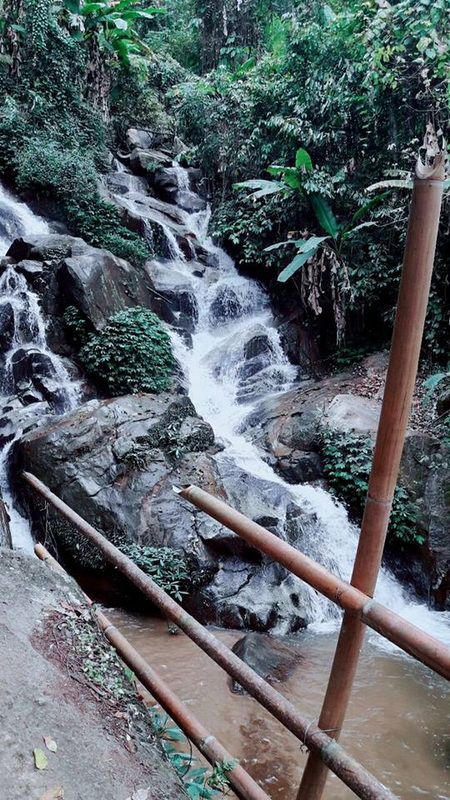
Lam Nam Kok National Park offers a nature-oriented complement to a market visit in Chiang Rai. Its forests, waterways, and varied landscapes provide a different pace from the urban atmosphere of Chiang Rai Walking Street. The park is suitable for travelers who want a custom route with time for scenery and quiet observation, although outdoor conditions and access can vary. Visitors should follow marked guidance, carry out rubbish, avoid disturbing plants or animals, and respect local rules.
Pairing the park with the market works best when the itinerary does not treat nature as a hurried photo stop. Travelers can discuss the level of walking and outdoor activity in advance, then leave enough time to appreciate the change from city streets to a more natural setting. This combination gives a custom tour both cultural and environmental dimensions without claiming that every trail or activity is always available.
Singha Park

Singha Park provides another possible addition for travelers seeking open landscapes alongside a visit to Chiang Rai Khon Muan Street. Its broad agricultural and recreational setting can appeal to visitors who enjoy scenery, cultivated spaces, and a break from dense urban areas. Because conditions and visitor services may change, travelers should verify current information before building a detailed plan around the site.
A thoughtful route treats Singha Park as a distinct experience rather than simply another location to tick off. It can suit a custom itinerary that balances the market’s social energy with time outdoors, while still leaving room for local food and cultural observation. Visitors should use designated areas, respect staff guidance, and avoid presenting the landscape or local community as a backdrop without context.
A Last Look at the Journey
Chiang Rai Walking Street becomes especially rewarding when it is given room to be understood rather than hurried through. A flexible route can connect the market’s food, crafts, and community atmosphere with nature-based experiences and lesser-known ideas from Chiang Mai. By choosing a manageable pace, asking respectful questions, and avoiding unsupported promises about what a tour will provide, travelers can create a journey that feels personal without losing sight of local dignity. The most distinctive custom experience may be one that leaves space for observation, conversation, and the unexpected details of northern Thai everyday life.
