Baan Huai Kung and the Cultural Setting of Mae Hong Son Trekking
A respectful look at Karen culture, trekking providers, and the landscapes surrounding Ban Huay Kung Village
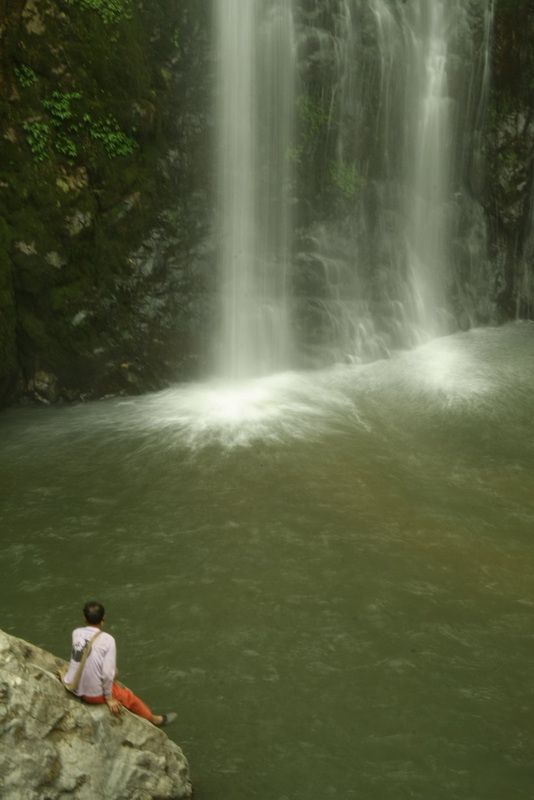
In the mountainous country of Mae Hong Son, Baan Huai Kung is best understood not as a staged attraction but as a living village setting connected to Karen community life, forest landscapes, and regional travel routes. Visitors researching the area often encounter several spellings, including Ban Huai Kung, Ban Huay Kung, and Huai Kung Village. These names can refer to the same general cultural destination, so checking local context is important when planning a visit. The village also appears in searches for trekking providers. That connection reflects Mae Hong Son’s wider walking culture, where local knowledge can help visitors understand paths, weather, forests, farms, and communities. However, the phrase Best Trekking Companies Mae Hong Son should not be treated as an automatic ranking. A responsible choice depends less on advertising language than on clear communication, respect for residents, appropriate group behavior, and a willingness to follow local guidance. This focused guide considers the cultural background around Ban Huay Kung Village, explains how trekking companies fit into the region, and places two nearby points of interest—Wat Phra That Chom Mon and Salawin National Park—within the same travel picture. The emphasis is on context rather than a fixed itinerary, allowing the village and its residents to remain more than a backdrop for photographs.
Karen culture as a living community context
The Karen are one of the established ethnic communities of mainland Southeast Asia, with communities in Thailand and neighboring countries. Karen identity is expressed through language, family relationships, local history, religious practice, farming traditions, weaving, clothing, and other forms of everyday life. These features should be approached as parts of a living culture rather than as decorative symbols arranged for visitors.
Around Huai Kung Village, cultural understanding begins with ordinary observation. Homes, cultivated land, paths, forest edges, and community spaces may all have practical meanings that are not immediately visible to an outsider. A traveler may notice woven garments or distinctive patterns, but it is better to see them as connected to identity, skill, and continuity instead of treating them as costumes created for tourism.
The term Karen Hilltribe is widely used in travel writing, although some people prefer more specific community or ethnic names depending on personal identity and context. Visitors should avoid assuming that every Karen community has the same customs, history, or religious life. Asking permission before photographing people, especially children or people engaged in work or ceremonies, is a basic sign of respect. Purchasing locally made goods directly and accepting a polite refusal without pressure can also support a more balanced encounter.
Cultural sensitivity is particularly important in villages that receive visitors because repeated outside attention can influence how communities are represented. Travelers should not enter private areas, handle household objects, or interrupt work simply to obtain a photograph. Listening carefully, using an interpreter when appropriate, and allowing residents to decide what they wish to share create a more dignified exchange.
What trekking companies contribute in Mae Hong Son
Trekking companies in Mae Hong Son generally sit between visitors and a complex local environment. Their role may include helping travelers understand rural paths, coordinating local knowledge, explaining safety considerations, and creating communication between guests and communities. The quality of that relationship matters more than the size or visibility of a company. A provider that treats residents as partners is more valuable than one that presents villages as scenery.
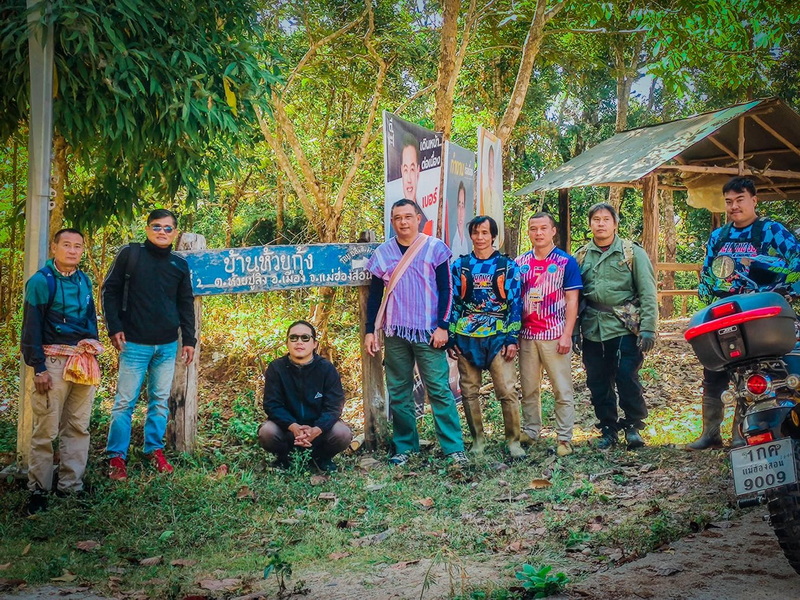
Searches for the Best Trekking Companies Mae Hong Son can therefore be misleading if they encourage travelers to choose only by promotional claims. There is no universal definition of “best,” and a responsible provider should be assessed through questions about conduct rather than exaggerated promises. Travelers can look for transparent descriptions of cultural visits, respect for photography consent, sensible group behavior, appropriate waste practices, and acknowledgment of local guides or community contributors.
A trekking provider should also communicate honestly about the nature of the experience. Mae Hong Son’s terrain can involve uneven ground, steep sections, heat, rain, and changing trail conditions. Ethical information does not need to promise an effortless adventure or guaranteed wildlife sightings. It should help visitors form realistic expectations while recognizing that local conditions may change.
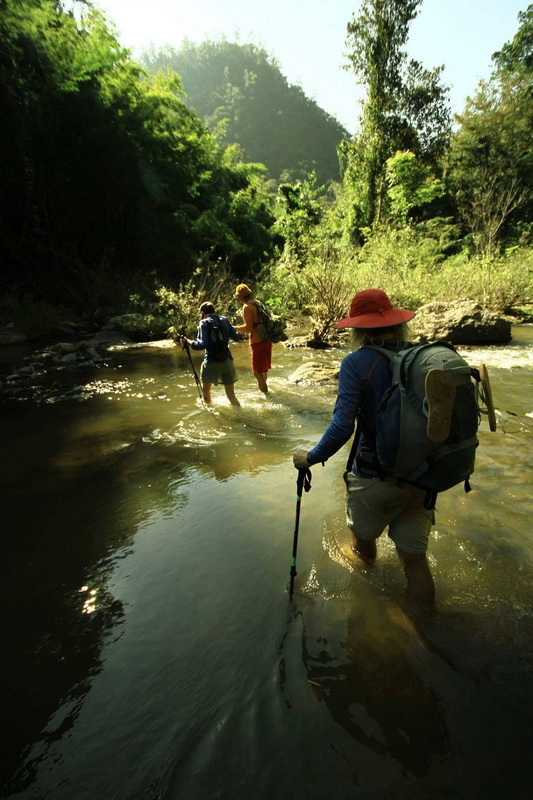
For Ban Huay Kung, the most appropriate trekking relationship is one that keeps the village’s priorities visible. Visitors should be prepared to walk quietly, follow instructions about where they may go, avoid leaving litter, and refrain from turning personal interactions into performances. If a community does not wish to receive visitors at a particular time, that decision should be accepted. Responsible trekking is not simply movement through a landscape; it is an agreement to behave carefully within someone else’s home region.
Reading Ban Huay Kung Village beyond the viewpoint
Ban Huay Kung Village can be approached as a place where cultural and environmental questions meet. The surrounding uplands are shaped by rainfall, forest cover, farming, streams, roads, and settlement patterns. A walk through this kind of landscape may reveal how people depend on nearby natural resources, but a short visit cannot explain every aspect of local life. Visitors should resist drawing broad conclusions from a single conversation or a brief visual impression.
The spelling Baan Hauy Kung may appear in search results alongside Huay Kung Village and Ban Huai Kung Village. Such variation is common when Thai place names are rendered in English. Using more than one spelling can help with research, but travelers should confirm the intended location through current local information before setting out. Place-name variation should not be confused with evidence that each spelling represents a separate attraction.
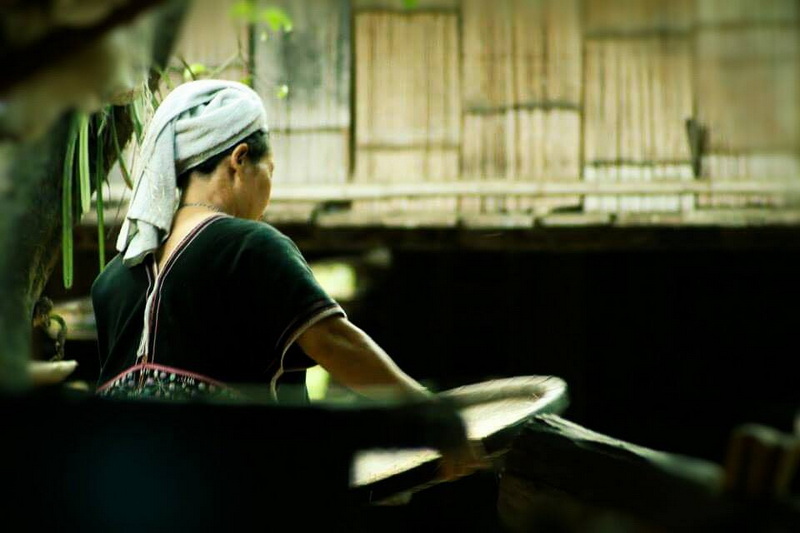
The village experience is strongest when travelers leave room for unplanned observation without demanding entertainment. A resident tending crops, preparing food, weaving, or traveling between homes is not automatically available for explanation or photography. A respectful visitor can learn through a guide’s interpretation, notice the relationship between settlement and terrain, and understand that silence and privacy are also meaningful parts of community life.
This approach changes the purpose of trekking. Instead of collecting images or claiming an “authentic” encounter, visitors can pay attention to relationships: between people and land, between local guides and guests, and between conservation needs and daily livelihoods. That perspective makes the experience less extractive and more educational.
Questions to consider before selecting a provider
Travelers comparing trekking companies can begin with practical questions that reveal how a provider works. Does it explain cultural etiquette before a village visit? Does it identify who leads the walk and whose local knowledge is being used? Does it ask permission for photographs and describe how visitors should behave around homes, ceremonies, or community areas? Clear answers suggest that cultural encounters are being treated as relationships rather than as guaranteed products.
Environmental responsibility is equally relevant. Visitors can ask how groups handle rubbish, whether trails are used with care, and how the provider responds to weather or route changes. A responsible company should not pressure guides or guests to continue when conditions are unsafe. It should also avoid promising rare animals, untouched landscapes, or private access that could encourage unrealistic expectations.
Travelers should be cautious about language that ranks communities, labels people as exotic, or suggests that a village exists primarily for tourist discovery. Descriptions centered on dignity, local participation, and informed consent are more trustworthy. The same principle applies to photographs and online reviews: images should not be used to imply access or intimacy that residents did not grant.
These considerations are useful whether a traveler is comparing established operators, local guides, or community-connected arrangements. The aim is not to identify a single winner, but to choose an approach compatible with the values of the destination. Around Ban Huay Kung Village, a slower and more respectful experience may teach more than a highly packaged visit.
Preparing for a respectful visit
Preparation can be simple. Wear practical clothing suitable for walking and changing weather, carry reusable water and personal essentials, and keep noise low near homes and religious places. Ask before photographing people or buildings, avoid unsolicited physical contact, and do not distribute sweets or gifts to children without guidance from a responsible local intermediary. These habits reduce the chance that a well-intentioned visit will create discomfort.
It is also helpful to learn a few basic facts about the area without assuming that reading about Karen culture makes someone an expert. Listen to local explanations, accept corrections, and recognize that beliefs and practices may differ between families. If conversation is limited by language, patience and respectful body language remain valuable. The goal is not to force a deep personal exchange but to leave people with control over their own participation.
Nearby religious and natural sites can broaden the visit, yet they should not be treated as interchangeable photo stops. Wat Phra That Chom Mon calls for quiet, modest behavior and attention to religious boundaries. Salawin National Park represents a wider landscape whose ecological value and local significance deserve care. Together, these places show why a trip near Huai Kung is best understood through several connected settings rather than one isolated attraction.
Nearby Attractions
Wat Phra That Chom Mon
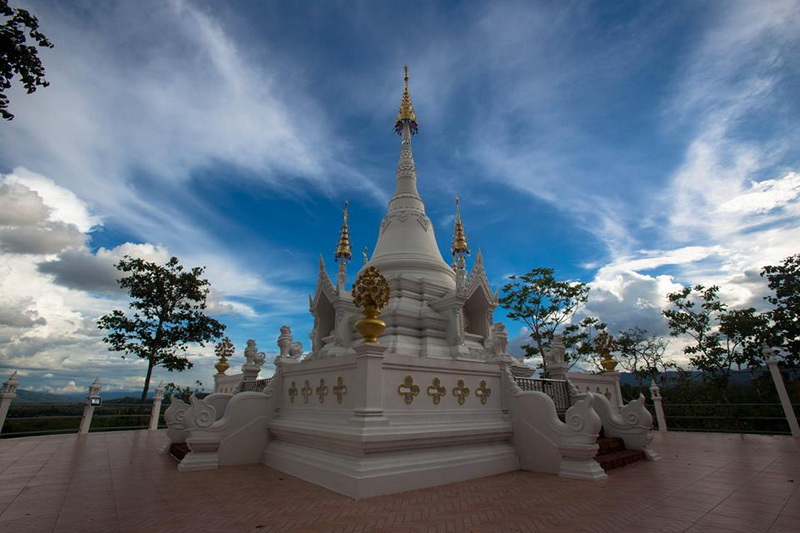
Wat Phra That Chom Mon is a nearby religious site that adds a spiritual dimension to the cultural landscape around Ban Huay Kung. As at any Buddhist temple, visitors should dress modestly, keep their voices low, and observe signs or local instructions about entry and photography. The temple should be approached as a place of worship and community significance, not simply as a scenic pause during a trek.
For travelers, the value of visiting lies in noticing how religious spaces are maintained and respected within the wider region. A calm visit can complement cultural learning in the village, provided that visitors do not compare communities as attractions or interrupt worshippers. Photography should remain secondary to respectful conduct.
Salawin National Park
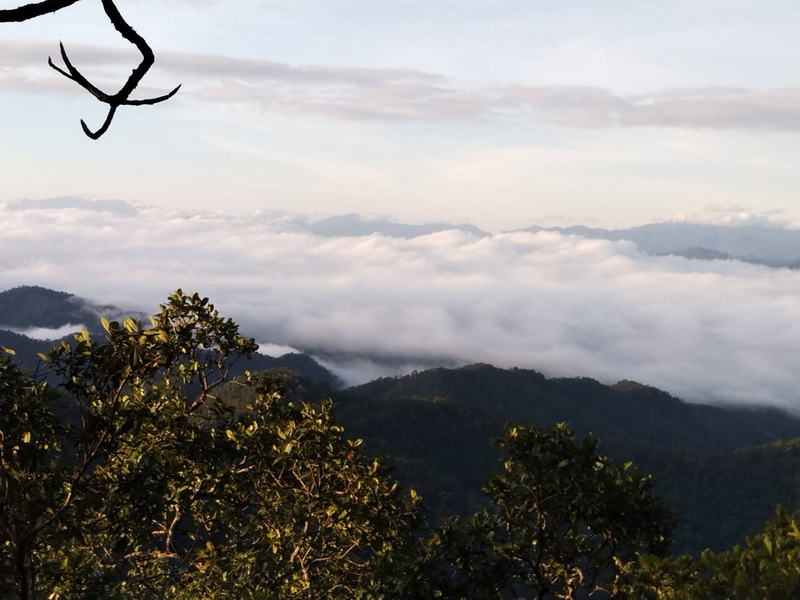
Salawin National Park provides a broader natural setting for understanding the forested borderland of Mae Hong Son. The park is associated with rugged terrain, river landscapes, woodland, and habitats that require careful management. Conditions in protected areas can vary, so travelers should follow current local guidance, remain on appropriate routes, and avoid disturbing plants, animals, or watercourses.
Its presence near the village helps explain why trekking in this region is more than a recreational walk. Forest protection, local livelihoods, travel access, and cultural geography overlap. Visitors should carry out their rubbish, avoid collecting natural objects, and recognize that a national park is a managed environment rather than an unlimited wilderness available for personal use.
A Last Look at the Journey
Ban Huai Kung offers a meaningful setting for travelers who want to connect cultural understanding with the landscapes of Mae Hong Son. The Karen Hilltribe context deserves patience, consent, and attention to everyday community life, while trekking providers should be judged by responsible conduct rather than promotional rankings. By visiting Wat Phra That Chom Mon respectfully, treating Salawin National Park with care, and allowing local people to set the terms of engagement, travelers can approach Ban Huay Kung Village with greater humility. The most valuable experience may be not what a visitor collects, but how thoughtfully they move through the place.
